





What's Happening?
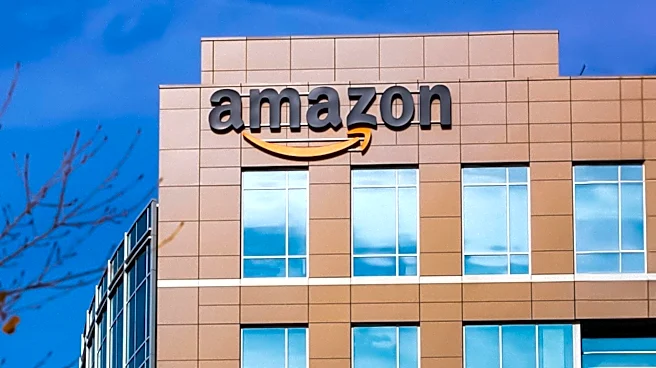
A federal judge in Illinois has allowed a class-action lawsuit against Amazon Photos to proceed, but only for Illinois residents who were direct users of the service and had their facial information processed. The lawsuit, Hogan v. Amazon.com, Inc., filed
in 2021, alleges that Amazon Photos violated Illinois' Biometric Information Privacy Act (BIPA) by collecting facial information without proper notice or consent. Amazon Photos uses image recognition to group photos of people with similar facial characteristics, creating 'face embeddings.' The court certified a class of Illinois residents whose faces appeared in photos uploaded to their own Amazon Photos accounts between October 18, 2016, and January 31, 2023, while image recognition was enabled. However, the judge excluded individuals whose faces appeared in photos uploaded by others, citing the extreme difficulty in identifying such non-users. This ruling highlights the complexities of consent and control over personal biometric data, especially when individuals may not be aware their images are being analyzed by technology they haven't directly used.
Why It's Important?
This ruling is significant for several reasons, particularly in the context of biometric privacy and corporate accountability in the U.S. It underscores the varying legal protections for biometric data across states, with Illinois' BIPA being one of the most stringent. The decision to limit the class action to direct users of Amazon Photos, while excluding non-users whose images were processed, reveals a critical challenge in enforcing privacy rights for individuals who have the least control over their data. This could set a precedent, making it harder for people unknowingly subjected to biometric data collection to seek redress. For companies like Amazon, it emphasizes the need for clear, explicit consent and transparent communication regarding biometric data collection, even if their terms of service mention image recognition. The case also highlights the unique nature of biometric data, such as facial measurements, which cannot be changed like a password, making its unauthorized collection and potential misuse a long-term privacy risk.
What's Next?
The certified class members, consisting of Illinois residents who used Amazon Photos and had their facial embeddings generated, will receive notice as directed by the court. There is currently no settlement or established claims process resulting from this ruling, and individuals who believe they qualify should await official court notices. The lawsuit against Amazon will continue, focusing on the claims of direct users. This case could influence how other technology companies handle biometric data and user consent, especially in states with similar privacy laws. The ongoing legal proceedings will likely further define the scope of BIPA and similar regulations, potentially leading to clearer guidelines for the collection, storage, and use of biometric information by corporations. The broader issue of protecting facial privacy for individuals who are not direct users of a service remains a challenge, potentially prompting further legislative or legal action in the future.
Beyond the Headlines
The Amazon Photos lawsuit delves into the ethical and legal complexities of biometric data in an increasingly interconnected world. The core issue revolves around who controls an individual's facial data when it's uploaded and processed by a third party, often without their direct knowledge or consent. The judge's decision to exclude non-users from the class action, due to the difficulty of identification, exposes a significant gap in current privacy frameworks. This raises questions about the responsibility of platforms to protect the biometric data of all individuals, not just their direct customers. The case also highlights the tension between technological convenience, such as facial recognition for photo organization, and fundamental privacy rights. As biometric technology becomes more pervasive, embedded in everything from doorbell cameras to smart glasses, the need for robust, enforceable privacy laws that address these nuanced scenarios will become even more critical. The outcome of this and similar cases could shape future legislation and industry practices regarding biometric data collection and consent.