


What's Happening?
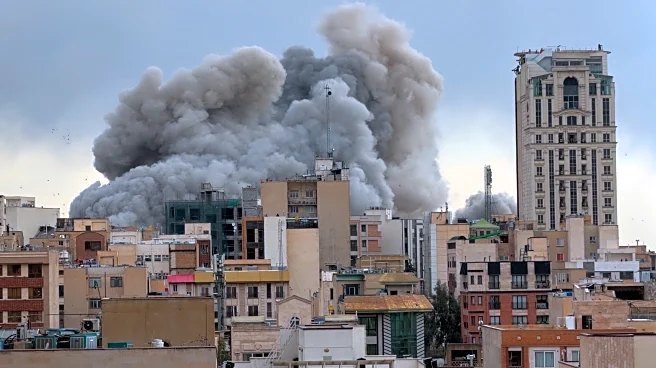
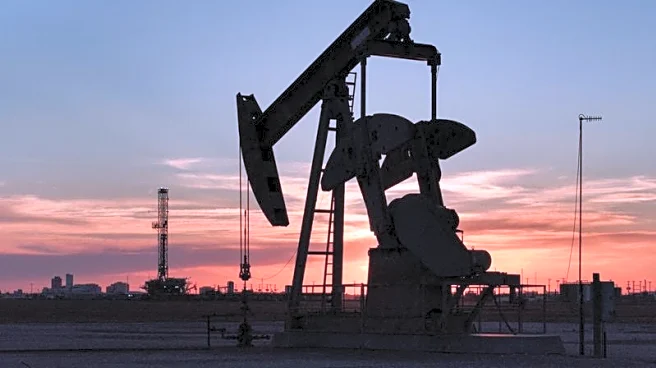
Policymakers worldwide are taking steps to address the economic disruptions caused by the ongoing conflict in the Middle East, which has led to a significant increase in energy and commodity prices. The conflict has resulted in Brent crude oil prices surging
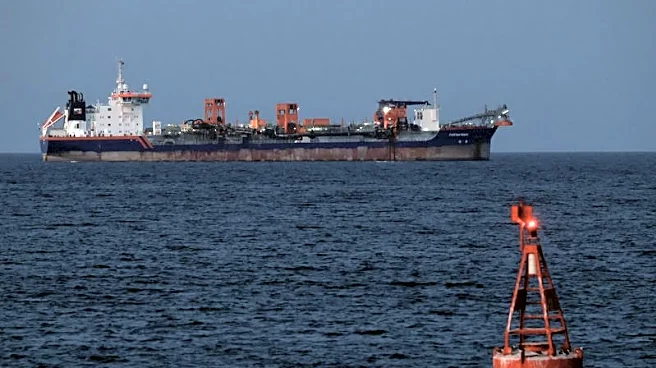
to nearly $120 a barrel, although they have since fallen below $100 following President Trump's indication that the conflict may soon be resolved. The closure of the Strait of Hormuz has exacerbated the situation, causing spikes in prices for liquefied natural gas, fertilizers, and other key commodities. In response, governments are considering various measures, including releasing oil from strategic reserves, implementing price caps, and providing subsidies to cushion the impact on businesses and households.
Why It's Important?
The conflict's impact on global energy prices poses a significant risk to economic stability, potentially leading to inflation and slower growth. The situation is particularly concerning for emerging markets, which may face increased credit risks due to higher oil prices. The conflict also threatens to disrupt global supply chains, particularly in the technology sector, where semiconductor production could be affected. The economic fallout could lead to stagflation, a combination of stagnant growth and rising inflation, complicating monetary policy for central banks. The situation underscores the interconnectedness of global economies and the potential for regional conflicts to have widespread economic repercussions.
What's Next?
Governments and international organizations are closely monitoring the situation and may take coordinated action to stabilize energy supplies. The Group of Seven finance ministers have discussed the possibility of a coordinated release from strategic oil reserves. The Trump administration has announced insurance guarantees and naval escorts for vessels in the Strait of Hormuz, and may consider lifting sanctions on Russian oil to ease supply constraints. The duration and resolution of the conflict will be critical in determining the long-term economic impact, with potential implications for global trade, energy policy, and geopolitical relations.