


What's Happening?
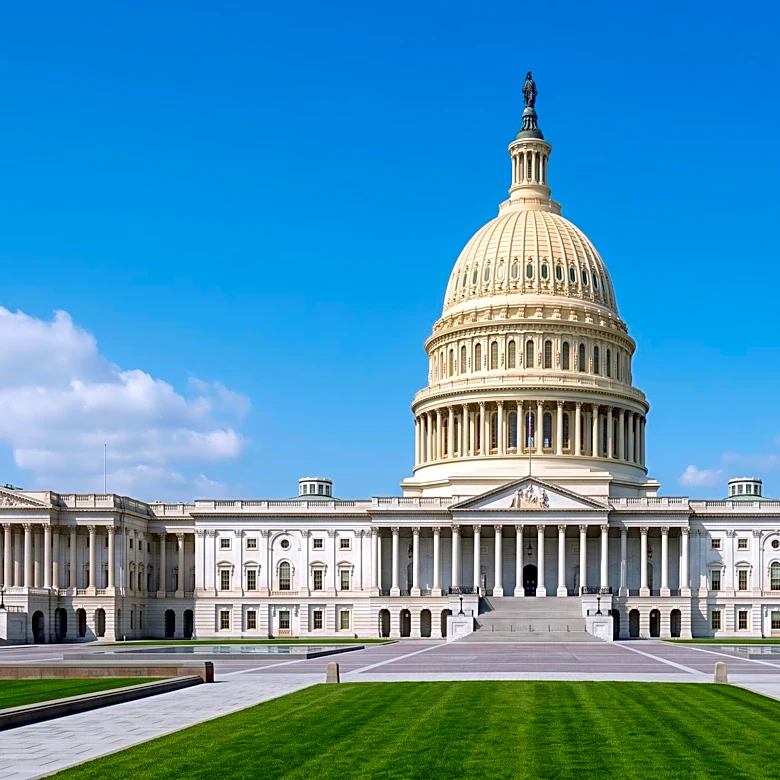
A U.S. Senate committee recently convened to review the Nuclear Waste Policy and the Nuclear Waste Fund (NWF), focusing on finding a permanent disposal solution for over 90,000 metric tons of spent nuclear fuel currently stored across the country. Senators
expressed broad support for a permanent solution, with Sen. Lisa Alsobrooks (D., Md.) emphasizing its crucial role for continued nuclear deployment credibility. Key discussions revolved around the need for community support and transparency in establishing permanent storage sites. Expert witnesses, including Lake Barrett, chair of the American Nuclear Society’s Nuclear Waste Policy Task Force, Katrina McMurrian, executive director of the Nuclear Waste Strategy Coalition, and Kathryn Huff, professor and chair of the Department of Nuclear Engineering and Engineering Physics at the University of Wisconsin–Madison, testified before the committee. They highlighted increasing interest in the full nuclear fuel cycle and the potential economic benefits of initiatives like the NLIC program, particularly when connected to other sustained economic activities.
Why It's Important?
The ongoing challenge of nuclear waste disposal has significant implications for the future of nuclear energy in the U.S. The committee's review underscores the critical need for a viable, long-term solution to manage spent nuclear fuel, which is essential for the continued operation and expansion of nuclear power plants. The discussion about community buy-in and transparency reflects lessons learned from past failures, such as the Yucca Mountain project, where a lack of local approval hindered progress. A successful waste management strategy could unlock further investment in nuclear energy, a carbon-free power source, contributing to national energy security and climate goals. Conversely, continued delays and an inability to establish permanent repositories could impede the growth of the nuclear industry, potentially leading to higher energy costs and increased reliance on fossil fuels. The financial aspect, with over $50 billion paid into the NWF by ratepayers without a clear disposal solution, highlights a significant economic burden and a failure to meet federal obligations.
What's Next?
The Senate committee's review indicates a continued legislative focus on nuclear waste management. Future steps will likely involve efforts to secure predictable and regular access to the Nuclear Waste Fund for the Department of Energy (DOE) to develop storage solutions. The emphasis on collaborative, consent-based siting approaches, drawing lessons from countries like Finland and France, suggests that future proposals for waste repositories will prioritize community engagement and support. The regulatory framework for new sites, beyond the existing standards for Yucca Mountain, will need to be adapted and established, involving agencies like the Nuclear Regulatory Commission (NRC) and the Environmental Protection Agency (EPA) working with states. Additionally, the potential for recycling spent fuel as a complementary process to disposal will likely be explored further, requiring additional research and demonstrations to assess its cost-effectiveness and manage new waste streams.
Beyond the Headlines
The debate over nuclear waste disposal extends beyond technical and financial considerations, touching upon profound ethical and societal dimensions. The concept of intergenerational equity is central, as current generations are creating waste that will remain hazardous for tens of thousands of years, necessitating robust, long-term solutions. The committee's focus on community consent and transparency highlights a shift towards a more inclusive approach, recognizing that public trust is paramount for the success of any waste management program. The comparison with Finland and France underscores the importance of socio-political viability alongside technical feasibility. This ongoing challenge also reflects broader questions about the role of government in managing long-term environmental liabilities and the balance between national energy needs and local community concerns. The failure to effectively manage nuclear waste could erode public confidence in large-scale infrastructure projects and the government's ability to address complex, long-term issues.