





What's Happening?
Georgia's child welfare agency, the Division of Family & Children Services (DFCS) within the Department of Human Services (DHS), spent over $954,000 on a single Chevrolet Traverse SUV equipped with advanced cellular surveillance technology. State purchase
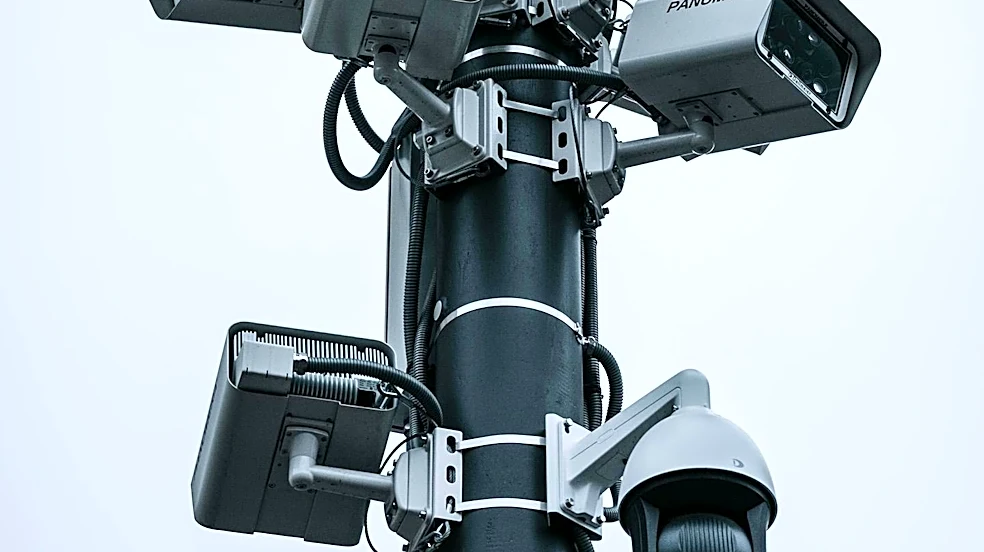
orders reveal that while the vehicle itself cost approximately $38,705, an additional $890,478 was spent on a 'TSE cellular communication package' and $25,393 for installation. This technology, identified as a Nyxcell system, functions as a cell-site simulator, capable of mimicking a mobile phone tower to pinpoint device locations within a mile, collecting mobile identifiers and metadata from all nearby cellular devices. Following bipartisan pushback from state lawmakers concerned about constitutional safeguards, Governor Brian Kemp's office confirmed that the Georgia Bureau of Investigation (GBI) will take control of the vehicle upon its delivery. The GBI stated it does not currently operate such devices for or with DHS and requires court orders for its own use of cell-site simulators. This expenditure comes after the General Assembly approved an $81 million emergency bailout for DHS to address budget deficits that led to cuts in foster care services.
Why It's Important?
This expenditure raises significant concerns regarding fiscal responsibility, privacy rights, and the appropriate use of surveillance technology by state agencies. The nearly million-dollar cost for a single vehicle equipped with advanced surveillance tools, especially in the context of budget cuts to essential foster care services, has drawn sharp criticism from lawmakers. Privacy experts have labeled the acquisition by a civilian agency as unprecedented, highlighting that cell-site simulators can conduct 'invisible surveillance' and potentially collect data from thousands of innocent bystanders without a warrant, raising Fourth Amendment concerns. The transfer of the vehicle to the GBI, a law enforcement agency that operates under stricter legal protocols for such technology, indicates an acknowledgment of these constitutional and operational issues. This incident also brings into question the oversight of state agency spending, particularly when federal Temporary Assistance for Needy Families (TANF) funds are reportedly used for such purchases, diverting resources from direct welfare services.
What's Next?
The Joint Study Committee on Evaluating Escalating Costs in Georgia’s Foster Care System is scheduled to convene at the State Capitol. Lawmakers plan to question DHS leadership regarding the vehicle purchase and will consider calls for a formal federal audit into the department’s use of welfare funds. The GBI will take possession of the vehicle upon delivery, and it remains to be seen how they will integrate this technology into their operations, given their existing protocols requiring court orders for cell-site simulator use. This incident could lead to increased legislative scrutiny over state agency procurement processes, particularly for high-cost technology and surveillance equipment. There may also be calls for new policies or clearer guidelines regarding the acquisition and use of such sensitive technologies by non-law enforcement agencies to prevent similar situations in the future and ensure constitutional protections are upheld.
Beyond the Headlines
The controversy surrounding the SUV purchase highlights a broader tension between state agencies' operational needs and citizens' privacy rights, particularly in the digital age. The use of cell-site simulators by any government entity, even for legitimate purposes like locating endangered children, presents complex ethical and legal challenges due to its indiscriminate data collection capabilities. This case could set a precedent for how states regulate the acquisition and deployment of advanced surveillance technologies, potentially leading to more robust oversight mechanisms and stricter warrant requirements. Furthermore, the alleged use of federal welfare funds for such an expensive surveillance vehicle, while foster care services face cuts, underscores systemic issues in budget allocation and accountability within state human services departments. This situation could prompt a re-evaluation of how federal funds are utilized at the state level and whether current oversight is sufficient to prevent misallocation of resources intended for vulnerable populations.