





What's Happening?
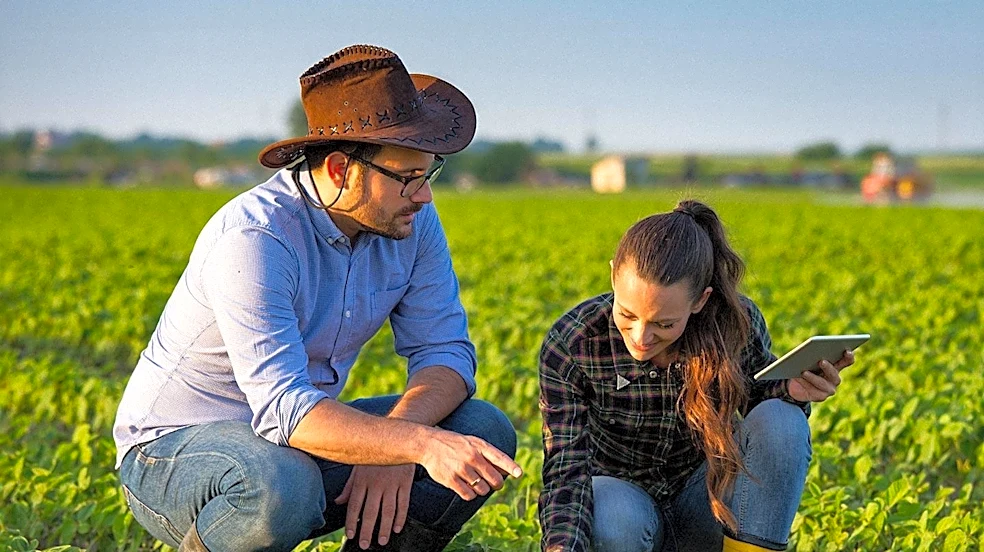
The CCOF Foundation's Organic Transition Program is providing comprehensive support to farmers transitioning to organic practices. This program offers one-on-one technical assistance and mentorship to help farmers navigate challenges related to soil health,
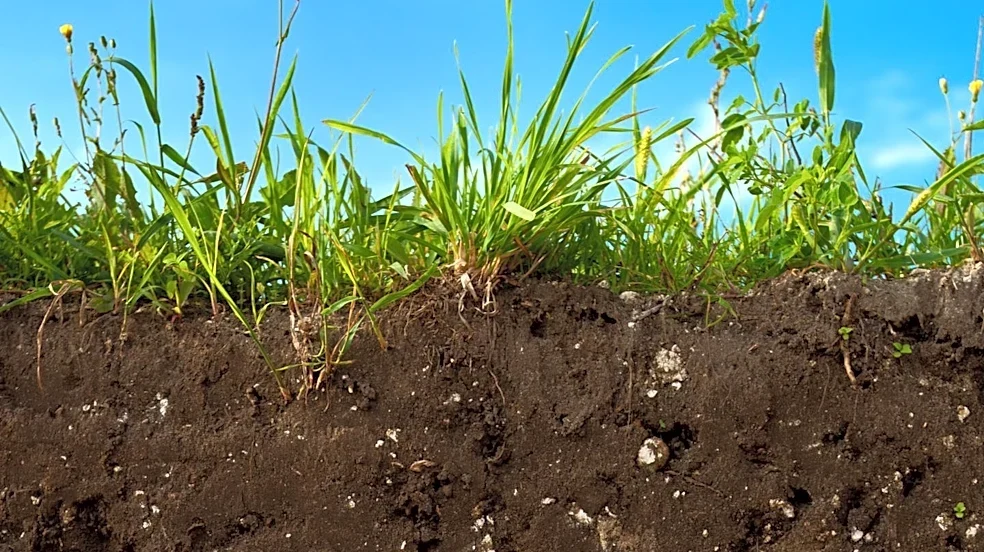
fertility management, and organic certification. Farmers also gain access to educational resources, such as the 'How to Go Organic: A Step-by-Step Guide,' and receive guidance from partner organizations and experienced organic farmers. The program regularly connects farmers with technical experts through events like 'Organic Office Hours,' featuring specialists such as agronomist Tiziano Celli from Nitricity, who shares insights on improving soil health and long-term farm resilience. Celli emphasizes treating organic matter as a savings account, looking beyond headline nutrients in fertility inputs, and considering calcium as a soil management tool, especially for sodium-affected soils. These efforts are crucial given that building and maintaining soil health is a requirement for USDA Certified Organic producers and can be a long-term process.
Why It's Important?
The CCOF Foundation's initiative is vital for the growth and sustainability of the U.S. organic farming sector. By providing essential technical assistance and mentorship, the program helps farmers overcome the significant challenges associated with transitioning to organic, including the three-year waiting period for certification. This support directly contributes to increasing the number of USDA Certified Organic producers, which in turn expands the availability of organic products for consumers. Improved soil health, a core focus of the program, leads to more resilient and productive farms, reducing reliance on synthetic inputs and promoting environmental sustainability. The emphasis on practices like cover cropping, compost applications, and reduced tillage enhances soil structure, biological activity, and water-holding capacity, which are increasingly important in regions facing water scarcity. This program not only benefits individual farmers by improving their operational efficiency and profitability but also strengthens the overall organic food supply chain in the United States.
What's Next?
The CCOF Foundation will continue to offer its Organic Transition Program, expanding its reach and impact on U.S. farmers. Future efforts will likely involve ongoing educational events, workshops, and one-on-one consultations to address evolving challenges in organic farming. The program will also continue to foster collaborations with partner organizations and experienced organic producers to provide a robust support network. Farmers interested in transitioning to organic or improving their existing organic practices are encouraged to engage with the CCOF Foundation's resources and programs. The insights shared by experts like Tiziano Celli will likely be integrated into broader educational materials, guiding more farmers toward sustainable soil management techniques. The long-term goal is to further professionalize and expand the organic farming sector, ensuring a steady supply of high-quality organic produce and promoting environmental stewardship across agricultural landscapes.
Beyond the Headlines
The CCOF Foundation's work highlights a broader shift in U.S. agriculture towards more sustainable and environmentally conscious practices. The focus on soil health underscores a growing recognition that healthy soil is the bedrock of a resilient food system, offering benefits that extend beyond crop yield to include carbon sequestration, biodiversity, and water conservation. This initiative also reflects the increasing consumer demand for organic products, which is driving the need for more farmers to adopt organic methods. The challenges of organic transition, particularly the three-year waiting period, reveal systemic hurdles that require ongoing support and policy considerations. By investing in farmer education and technical assistance, organizations like the CCOF Foundation are not just helping individual farms but are also contributing to a more sustainable and equitable food future for the nation. This movement represents a fundamental re-evaluation of agricultural practices, prioritizing long-term ecological health alongside economic viability.