




What's Happening?
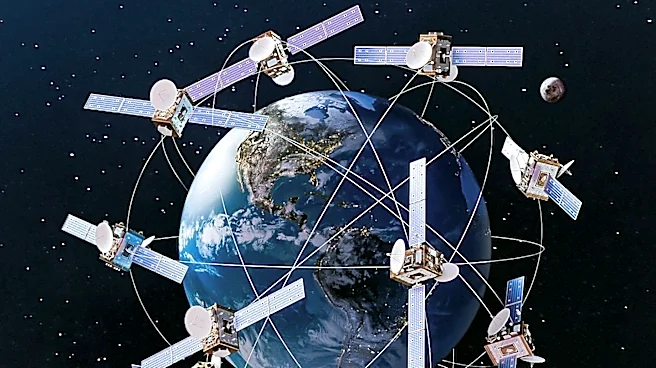
AT&T and AST SpaceMobile successfully conducted what they believe to be the industry's first cellular handoff between a ground-based wireless network and a direct-to-device satellite network. The test took place on October 21 outside Granite Falls, Washington,
at 8:15 a.m. PT. This achievement follows previous successful voice calls, text messages, and video calls made through AST SpaceMobile’s BlueBird satellites on standard smartphones. Robert Walters, SVP Network at AT&T, emphasized that this successful handoff is a significant milestone in integrating terrestrial and satellite networks to extend service to remote and hard-to-reach areas. Ericsson provided combined radio and core technology, along with network automation, to optimize these handoffs, reducing transition times from seconds to milliseconds. Nokia contributed radio access technology and mobility software for AST SpaceMobile’s space-based network.
Why It's Important?
This successful handoff is a critical step towards realizing seamless global cellular broadband connectivity, particularly for areas currently lacking terrestrial network coverage. For U.S. consumers, it promises enhanced connectivity in remote locations, improving safety and communication access. For AT&T, this integration with AST SpaceMobile's satellite network is designed to complement and extend its existing terrestrial network, not replace it, thereby expanding its service footprint and potentially attracting new subscribers in underserved regions. The ability to maintain continuous connectivity as users move between ground and satellite networks without interruption is a key differentiator in the competitive telecommunications market. Furthermore, this technology adds a new layer of resilience for first responders, ensuring reliable communications during emergencies when terrestrial networks might be compromised. The collaboration also highlights the growing importance of partnerships between traditional mobile carriers and space technology companies to address the evolving demands for ubiquitous connectivity.
What's Next?
Following this successful test, the next phase is expected to involve beta services under real-world conditions. This will allow AT&T and AST SpaceMobile to further refine the performance and reliability of the integrated network. The ultimate objective is to progress towards commercial service, making space-based cellular broadband a seamless part of everyday mobile networks. This will enable users to make calls, use apps, and stream content with their existing smartphones, regardless of their location. The companies will continue to work on optimizing the technology to ensure a smooth user experience, where the transition between ground and satellite networks is imperceptible to the customer. The commercial rollout of this service could significantly impact the availability and quality of mobile connectivity across the United States, especially in rural and remote areas.
Beyond the Headlines
The successful handoff represents a significant technological leap, demonstrating the feasibility of direct-to-device satellite communication as a viable extension of terrestrial networks. This development has broader implications for digital inclusion, potentially bridging the digital divide by bringing broadband access to populations previously unserved. It also sets a precedent for future collaborations between space and telecommunications industries, fostering innovation in network architecture and service delivery. The resilience aspect for first responders is particularly noteworthy, as it offers a robust communication solution during natural disasters or other emergencies where traditional infrastructure may fail. This advancement could also spur further investment and development in satellite technology, driving down costs and expanding capabilities, ultimately transforming how people connect globally.