

What's Happening?
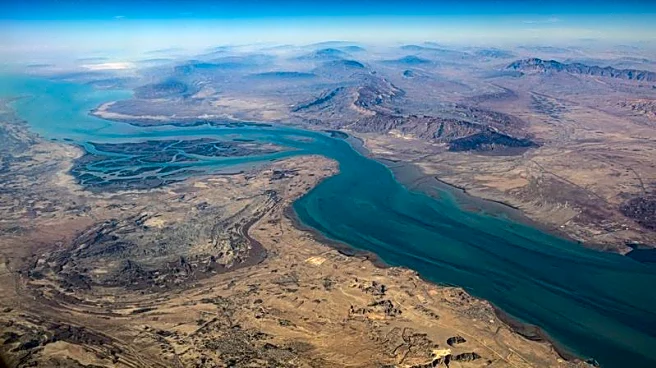
The U.S. Navy has relocated two of its specialized mine countermeasures vessels, the USS Tulsa and USS Santa Barbara, from the Gulf region to Malaysia. This move comes as Iran continues to lay mines in the Strait of Hormuz, a critical maritime chokepoint.
The White House is urging allied navies to participate in a mission to reopen the strait and counter Iran's blockade. The USS Tulsa and Santa Barbara, part of the Independence-class Littoral Combat Ships, were initially stationed in Bahrain to take over mine countermeasures duties from the retiring Avenger-class minesweepers. The relocation of these vessels raises questions about the U.S. Navy's strategy in the region.
Why It's Important?
The relocation of these minesweepers is significant as it affects the U.S. Navy's ability to counter mine threats in the Gulf, a region critical for global oil transportation. The Strait of Hormuz is a strategic chokepoint, and any disruption can have substantial implications for global energy markets. The move also highlights the challenges faced by the U.S. Navy in maintaining a robust presence in the region while managing resources and strategic priorities. The situation underscores the importance of international cooperation in ensuring maritime security and the potential consequences of geopolitical tensions in the Gulf.
What's Next?
The U.S. Navy's decision to relocate these vessels may lead to increased diplomatic efforts to secure allied support for operations in the Strait of Hormuz. The White House's call for allied participation suggests potential shifts in international naval deployments. The effectiveness of the Independence-class ships in mine countermeasures will be closely monitored, as their deployment represents a shift from traditional minesweeping methods. The situation may also prompt discussions on the future of naval strategy and resource allocation in response to evolving threats in the region.