






What's Happening?
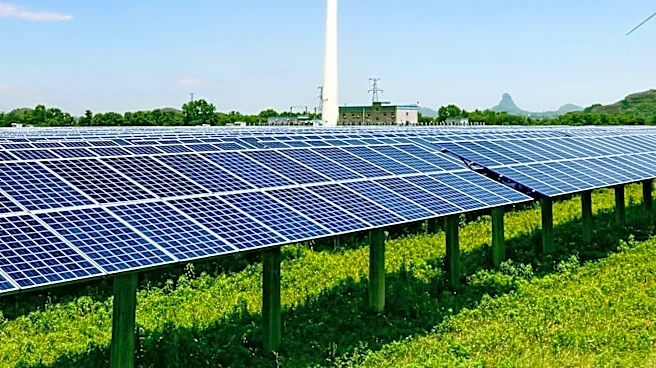
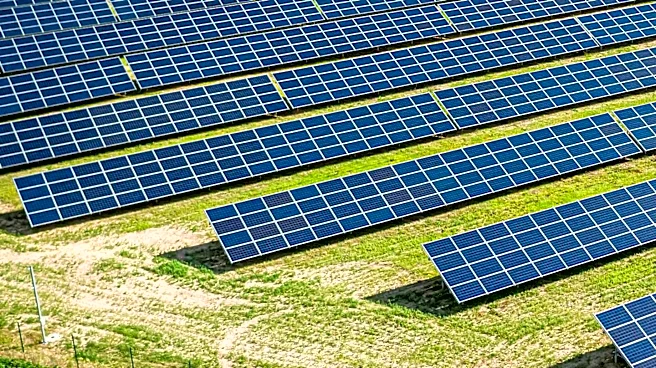
West Africa is recognized for its high solar irradiance levels, particularly in the Sahel region, which presents a significant opportunity for green hydrogen production. Researchers are exploring the use of solar electricity to split water into hydrogen and
oxygen, creating a clean fuel source. This initiative could serve local energy needs and contribute to the global market for low-carbon fuels. However, challenges such as high capital costs for infrastructure, limited access to international green finance, and water availability in arid zones pose significant barriers to realizing this potential. The African Development Bank and international climate funds are seen as crucial in bridging the gap between project viability and investment scale.
Why It's Important?
The development of green hydrogen in West Africa could transform the region's energy landscape, providing a sustainable solution to energy shortages and contributing to global efforts to reduce carbon emissions. This initiative aligns with international climate goals and could position West Africa as a key player in the renewable energy sector. The potential economic benefits include job creation, increased energy security, and the development of new industries. However, overcoming financial and logistical barriers is essential to harnessing this opportunity, which requires coordinated efforts from governments, financial institutions, and private investors.
What's Next?
The next steps involve addressing the financial and logistical challenges to make green hydrogen production viable. This includes securing investment, developing infrastructure, and ensuring water availability for electrolysis. Public-private partnerships and blended finance structures are critical to advancing these projects. Additionally, coupling hydrogen projects with local value chains, such as fertilizers and industrial decarbonization, could generate domestic demand and support economic growth. The establishment of quality infrastructure, standards, and certification systems is necessary for West Africa to become a future exporter of green hydrogen.