





What's Happening?
A significant heat dome is forming over the United States, expected to bring intense heat to more than half of the country. According to AccuWeather meteorologist Alex Sosnowski, this multiday heatwave is set to expand from the Plains to the Midwest and into
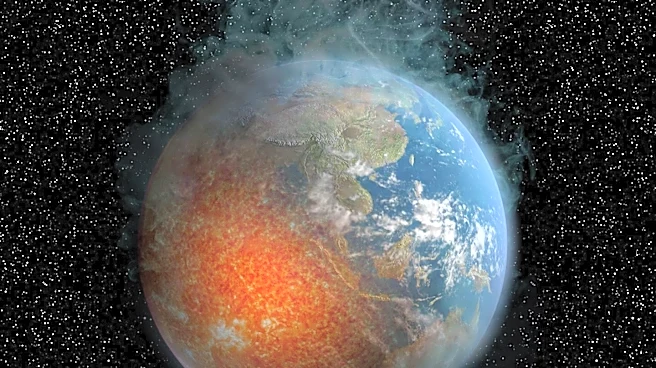
the East, coinciding with the Fourth of July weekend. The National Oceanic and Atmospheric Administration (NOAA) predicts temperatures in the 90s as far north as the Great Lakes and Minnesota, with some areas in Texas reaching the 100s. The heat index could approach 110 degrees in parts of the mid-South to the central Gulf Coast. This heat dome, characterized by a persistent region of high pressure, traps heat and can lead to prolonged periods of high temperatures, affecting people, crops, and animals.
Why It's Important?
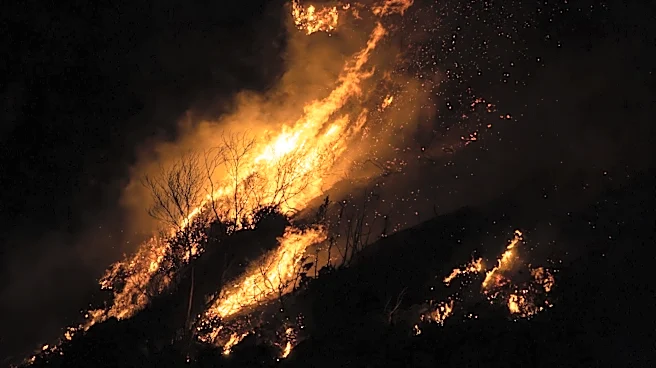
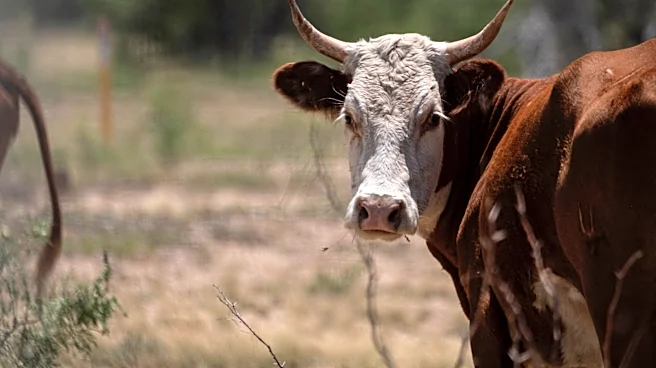
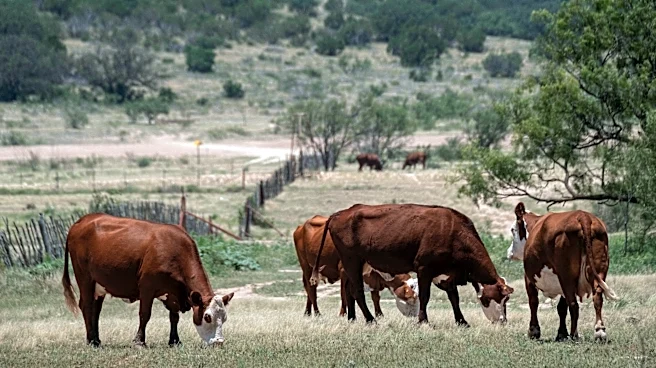
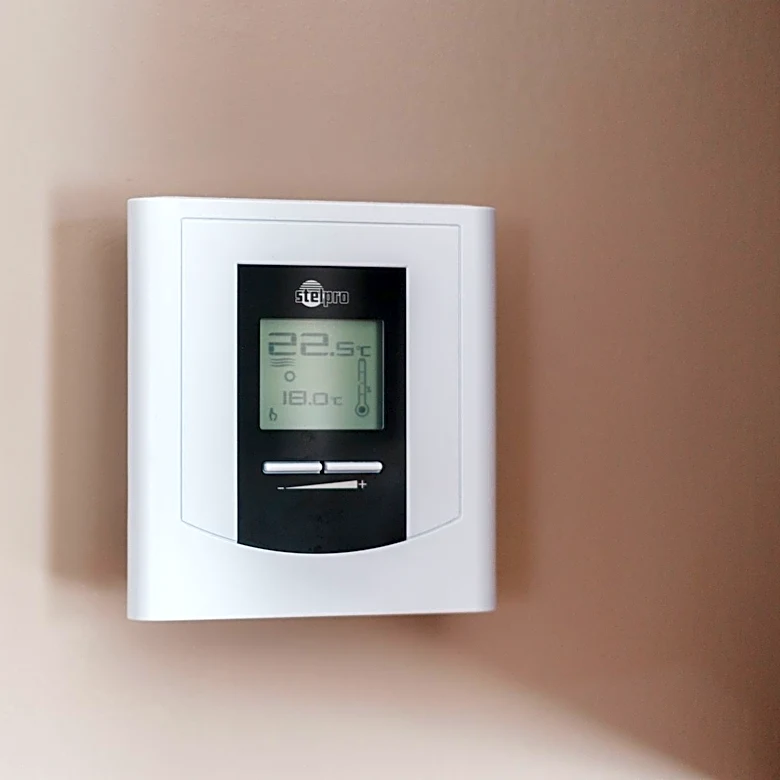
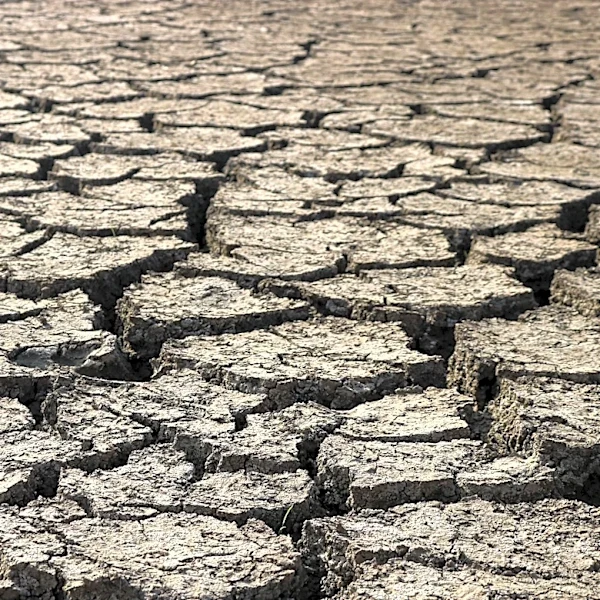
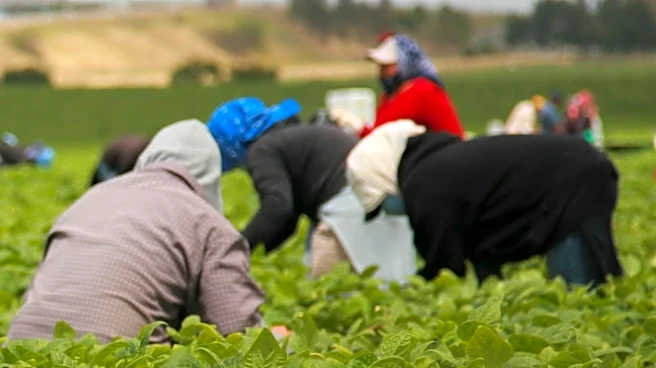
The development of a heat dome poses significant risks to public health, agriculture, and infrastructure. Prolonged exposure to high temperatures can lead to heat-related illnesses and increased mortality, particularly among vulnerable populations such as the elderly and those without access to air conditioning. The agricultural sector may face challenges as crops and livestock are stressed by the extreme heat, potentially impacting food supply and prices. Additionally, the increased demand for electricity to power air conditioning units could strain the power grid, leading to potential outages. The heatwave also raises concerns about wildfires and drought conditions, which can have long-term environmental and economic impacts.
What's Next?
The heat dome is expected to persist into early July, with temperatures remaining above historical averages in many areas. As the core of the heat shifts westward, regions such as the Ohio Valley, Mississippi Valley, and Tennessee Valley will continue to experience high temperatures. Meteorologists are monitoring the situation closely, and public health officials are urging residents to take precautions to stay cool and hydrated. Communities are advised to prepare for potential power outages and to check on vulnerable neighbors. The situation underscores the need for long-term strategies to mitigate the impacts of extreme weather events, which are becoming more frequent due to climate change.