
What's Happening?
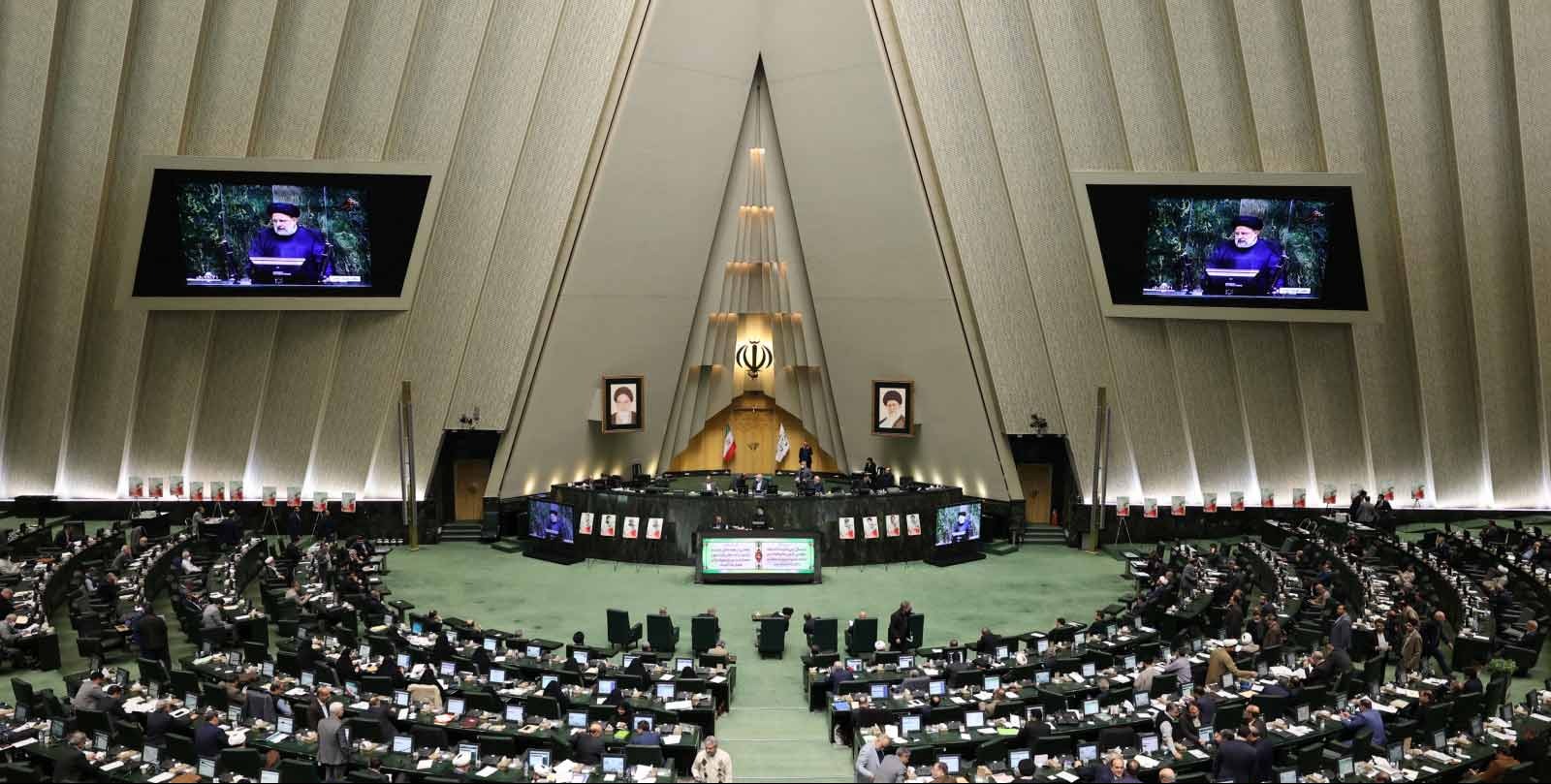
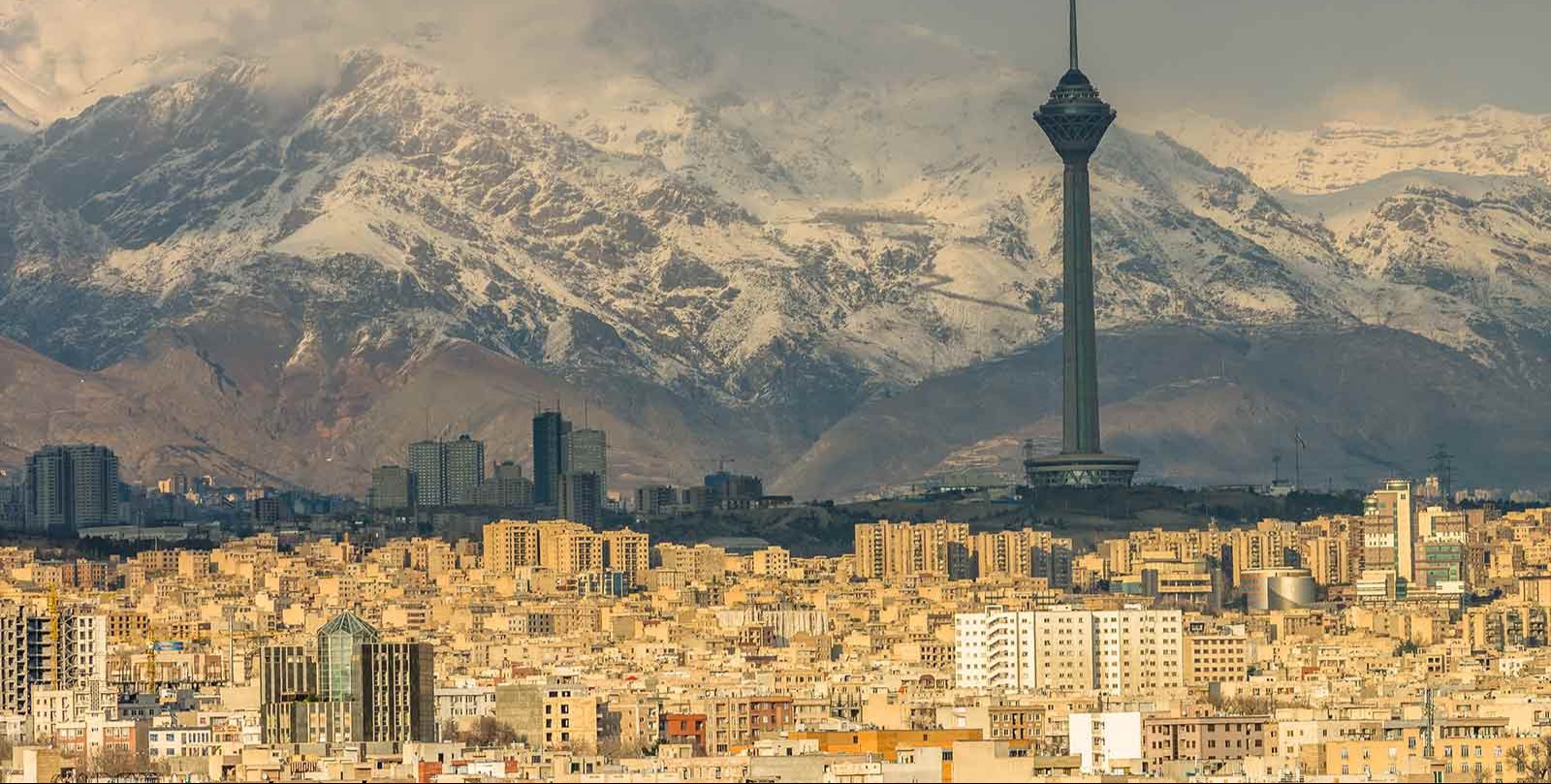
Protests in Iran have intensified since December 28, sparked by economic grievances such as the plummeting value of the Iranian rial and rising inflation. The demonstrations, initially focused on economic issues, have expanded to include anti-government
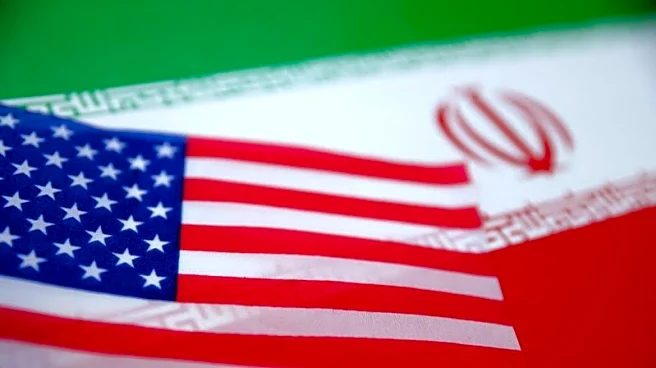
sentiments. The unrest has spread across multiple cities, with significant incidents occurring in Tehran and other major urban centers. The Iranian government has responded with force, resulting in numerous casualties and arrests. The protests have seen the resignation of the Central Bank head and the appointment of a new governor. The situation has drawn international attention, with U.S. President Trump warning Iran against violent crackdowns on protesters.
Why It's Important?
The protests in Iran highlight significant economic and political instability within the country, which could have broader implications for regional security and international relations. The Iranian government's handling of the protests and the economic crisis could affect its legitimacy and stability. The involvement of international actors, such as the U.S., underscores the geopolitical significance of the unrest. The situation could impact global oil markets and influence diplomatic relations between Iran and other countries, particularly those in the West.
What's Next?
The Iranian government is likely to continue its efforts to suppress the protests, potentially leading to further violence and international condemnation. The economic challenges facing Iran may persist, exacerbating public discontent. International actors, including the U.S., may increase diplomatic pressure on Iran, potentially leading to further sanctions or other measures. The situation remains fluid, with the potential for significant developments in the coming days and weeks.