


What's Happening?
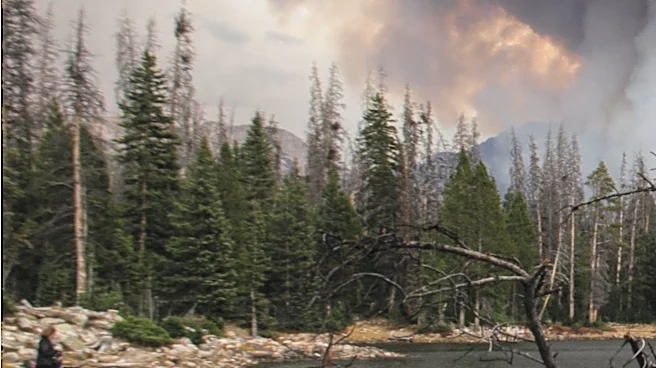
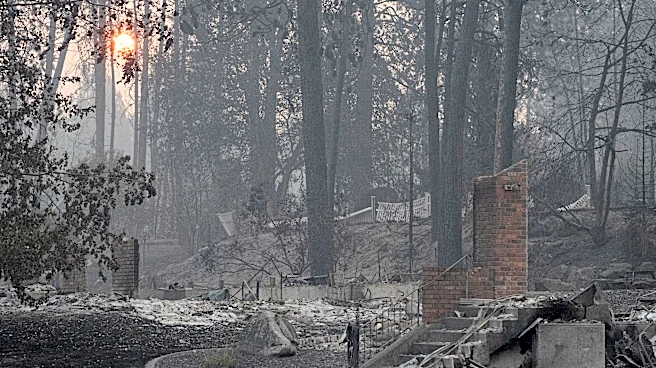
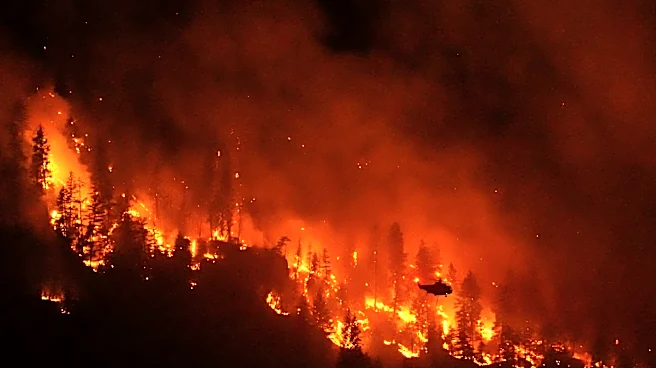
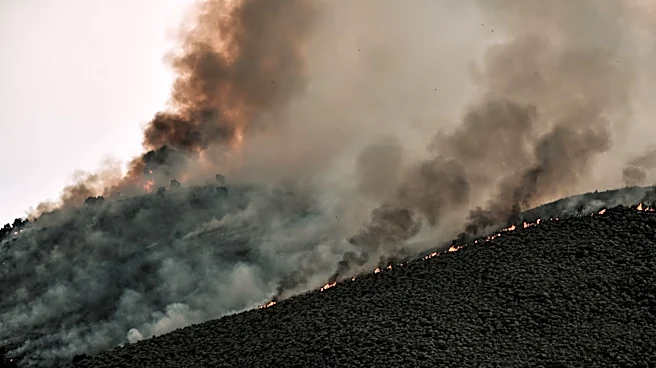
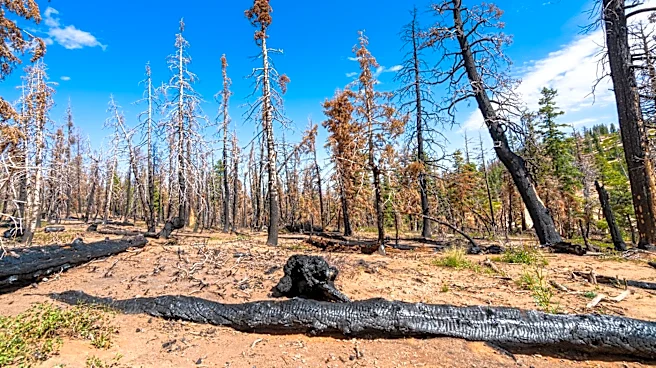
A recent study published in Frontiers in Environmental Health has identified wildfires as the primary contributor to unhealthy levels of air pollution affecting pregnant women in the United States. Researchers used computer models to simulate air pollution,
isolating the impact of wildfires on PM2.5 levels, a type of particulate matter considered harmful by the U.S. Environmental Protection Agency. The study analyzed data from 64.5 million pregnancies between 2003 and 2019, revealing that while overall prenatal exposure to PM2.5 decreased by 34%, the contribution from wildfires more than doubled, reaching 8.2% by 2019. This increase has made wildfire smoke the dominant factor in high-pollution days during pregnancy. The study also highlighted that certain regions, particularly the Northwest and Western states, experienced significant increases in wildfire-related PM2.5 pollution.
Why It's Important?
The findings underscore a growing public health concern, as PM2.5 pollution from wildfires is linked to adverse birth outcomes, including low birth weight and preterm births. These health impacts can have long-lasting effects beyond the delivery room, affecting individuals for decades. The study's results highlight the need for targeted public health interventions, especially in low-income, rural, and indigenous communities that are disproportionately affected by wildfire pollution. The research suggests that while legislative efforts have improved air quality, the increasing prevalence of wildfires is offsetting these gains, posing a significant challenge to protecting vulnerable populations, particularly pregnant women and unborn children.
What's Next?
The study calls for further analysis of more recent data to determine if the trend of increasing wildfire-related air pollution has continued beyond 2019. It also emphasizes the need for public health resources to be allocated based on population exposure rather than geographic areas, to effectively target interventions. As wildfire seasons become more severe, particularly in the Western U.S. and Canada, there is an urgent need for strategies to mitigate the impact of wildfire smoke on air quality and public health. This includes potential measures such as improved air filtration systems, public health advisories, and support for affected communities.
Beyond the Headlines
The study shifts the focus from mapping wildfire occurrences to understanding who is most affected by the resulting air pollution. This perspective is crucial for equitable resource allocation and intervention strategies. The research highlights the importance of addressing environmental justice, as marginalized communities often bear the brunt of environmental hazards. The findings also raise questions about the long-term implications of climate change on wildfire frequency and intensity, and the subsequent health impacts on vulnerable populations.