


What's Happening?
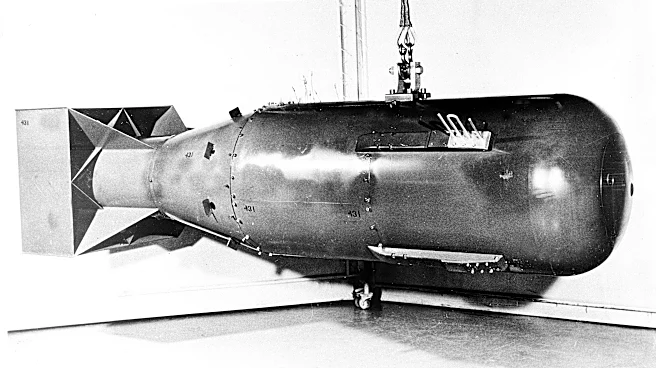
A memoir by Kiyoshi Tanimoto, a survivor of the Hiroshima atomic bombing, has been rediscovered and published, offering a firsthand account of the devastation and aftermath. Tanimoto, a Methodist minister, witnessed the horrors of the bombing and dedicated
his life to advocating against nuclear warfare. His memoir, titled 'Hiroshima, 8:15: The Lost Memoir,' provides a detailed narrative of the events on August 6, 1945, and the subsequent challenges faced by survivors. The publication of this memoir coincides with renewed interest in the historical impact of nuclear weapons, particularly in light of recent cultural depictions such as the film 'Oppenheimer.'
Why It's Important?
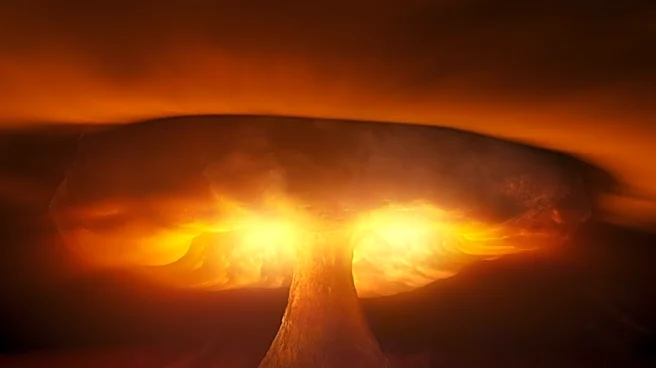
The publication of Tanimoto's memoir is significant as it contributes to the historical understanding of the Hiroshima bombing and its human impact. It serves as a reminder of the catastrophic consequences of nuclear warfare and the importance of efforts to prevent such events in the future. The memoir provides a personal perspective that enriches the broader narrative of Hiroshima, offering insights into the resilience and advocacy of survivors. This rediscovery may influence public discourse on nuclear disarmament and the ethical considerations surrounding the use of nuclear weapons.
Beyond the Headlines
Tanimoto's memoir highlights the enduring legacy of Hiroshima and the moral imperative to prevent nuclear conflict. It underscores the role of personal narratives in shaping historical memory and influencing policy decisions. The memoir's publication may inspire further exploration of survivor accounts and their contributions to peace advocacy. It also raises questions about the preservation and dissemination of historical documents, emphasizing the need for continued efforts to uncover and share such testimonies.