



What's Happening?
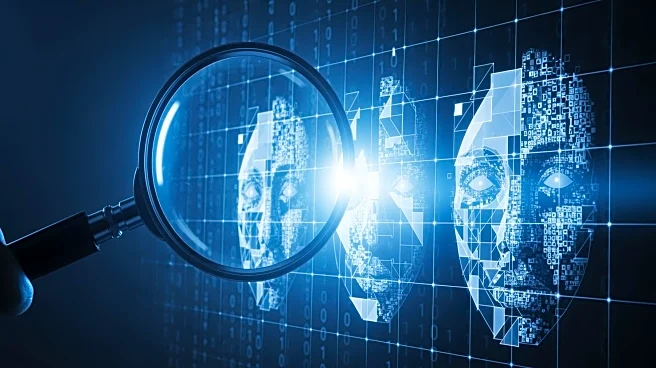
A recent study has found that a brief 5-minute training session can significantly improve the ability of individuals to detect AI-generated faces. The study involved 664 volunteers, including super-recognizers and individuals with typical face-recognition
abilities. Participants who received training were better at distinguishing real faces from AI-generated ones. The training focused on identifying tell-tale signs of AI-generated images, such as unusual blinking and odd lip movements. The findings suggest that training can enhance the detection of AI-generated content, which is increasingly used in various media.
Why It's Important?
As AI-generated images become more prevalent, the ability to distinguish between real and fake content is crucial for security and privacy. The study highlights the potential for training to improve detection capabilities, which could help prevent the misuse of AI-generated images in identity theft, misinformation, and other malicious activities. The findings underscore the importance of developing educational programs and tools to equip individuals with the skills needed to navigate the digital landscape and protect themselves from digital manipulation.
Beyond the Headlines
The study raises questions about the ethical implications of AI-generated content and the responsibilities of technology developers in preventing misuse. As AI technologies continue to advance, there will be ongoing debates about the balance between innovation and regulation. The findings also highlight the need for collaboration between researchers, policymakers, and technology companies to develop comprehensive strategies for addressing the challenges posed by AI-generated content. The study's insights could inform future efforts to enhance digital literacy and promote responsible AI use.