




What's Happening?
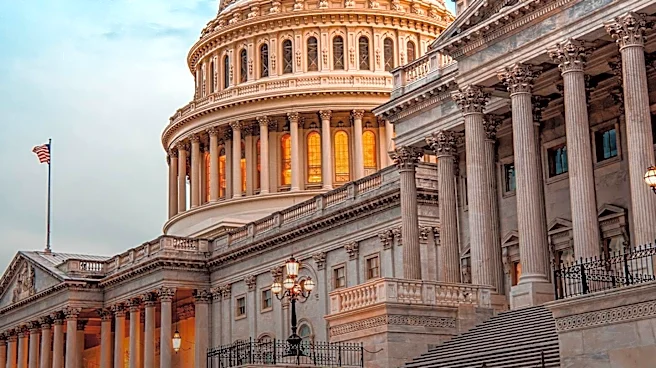
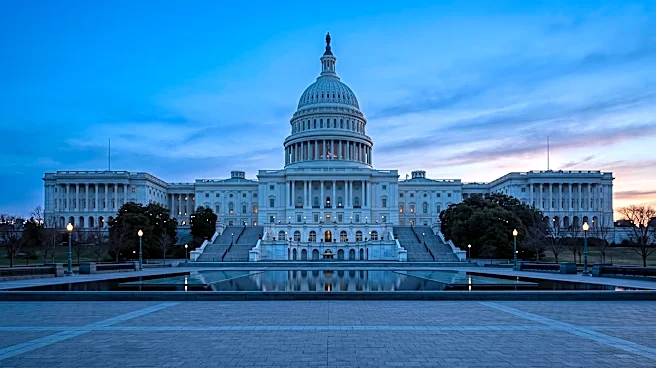
The U.S. House of Representatives has unanimously passed the bipartisan Protecting American Industry and Labor from International Trade Crimes (PAIL) Act on August 31, 2026. Co-led by Congressman Raja Krishnamoorthi (D-IL), Congresswoman Ashley Hinson
(R-IA), and Select Committee on the Chinese Communist Party Chairman John Moolenaar (R-MI), the legislation aims to strengthen the Department of Justice's (DOJ) ability to investigate and prosecute international trade crimes. These crimes include tariff evasion, illegal transshipment, and forced-labor violations, which lawmakers assert are often perpetrated by companies based in the People's Republic of China (PRC). The PAIL Act mandates the establishment of a dedicated structure within the DOJ's Criminal Division for trade-related crimes, enhances coordination and training among law enforcement agencies, and supports expanded investigations and prosecutions, including parallel criminal and civil enforcement actions. Additionally, it requires the Attorney General to submit an annual report to Congress detailing the DOJ's efforts against trade crimes.
Why It's Important?
This legislation is crucial for protecting American workers and manufacturers who face unfair competition from foreign entities violating U.S. trade laws. Trade crimes such as tariff evasion and forced-labor violations can significantly harm domestic industries, leading to job losses and economic instability. By providing the Department of Justice with dedicated resources and enhanced capabilities, the PAIL Act aims to level the playing field for American businesses and ensure that those who repeatedly violate trade laws are held accountable. The bipartisan support for this bill underscores a broad consensus in Congress regarding the need to address these issues, particularly concerning companies linked to the Chinese Communist Party. Organizations representing American workers and manufacturers, including the United Steelworkers and the American Iron and Steel Institute, have voiced their support, highlighting the tangible impact these crimes have on their sectors.
What's Next?
The PAIL Act now moves to the U.S. Senate for consideration. Proponents of the bill, including Congressman Krishnamoorthi, are urging the Senate to pass the legislation without delay and send it to the President's desk for signature. If enacted, the DOJ will be required to establish the new dedicated structure within its Criminal Division and begin implementing the enhanced investigative and prosecutorial measures. The Attorney General will also need to prepare annual reports to Congress on the department's efforts to combat trade crimes. The successful passage in the House with unanimous support suggests a strong likelihood of its eventual enactment, which would significantly alter the landscape for prosecuting international trade violations and potentially lead to increased enforcement actions against foreign companies found to be in breach of U.S. trade laws.
Beyond the Headlines
The unanimous passage of the PAIL Act reflects a growing bipartisan concern over the economic impact of international trade crimes, particularly those attributed to entities in the PRC. Beyond the immediate economic implications, this legislation touches upon broader issues of national security and fair global trade practices. The focus on forced-labor violations, for instance, highlights ethical considerations and human rights concerns embedded within international supply chains. By strengthening enforcement mechanisms, the U.S. is signaling a more aggressive stance against what it perceives as predatory trade practices, which could lead to increased trade tensions but also potentially foster a more equitable global trading environment. The act's emphasis on parallel criminal and civil enforcement actions also indicates a comprehensive approach to deterring and punishing trade offenders, aiming to recover damages and impose significant penalties.