




What's Happening?
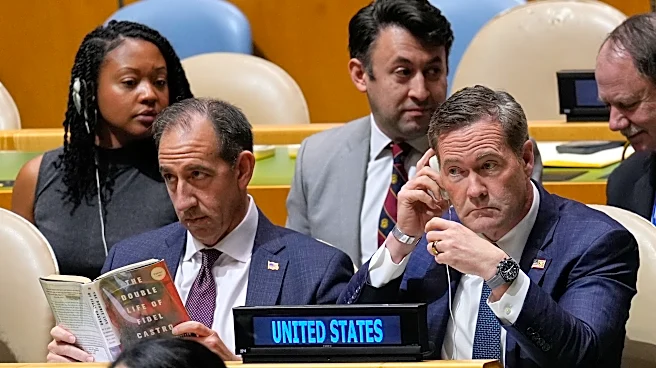
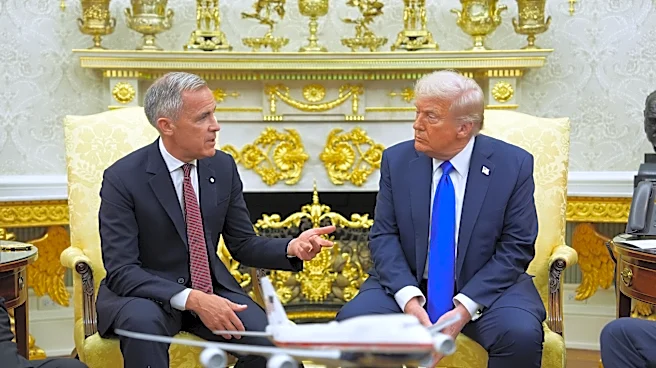
In 2026, international diplomacy is experiencing significant shifts, prompting discussions on building multilateral coalitions. This comes in response to a perceived change in U.S. foreign policy, which is seen as moving away from supporting a liberal
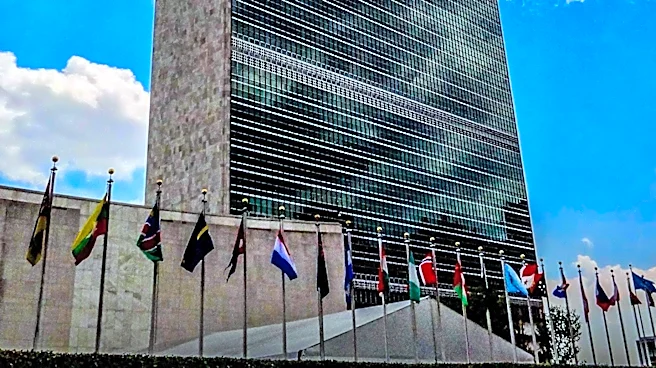
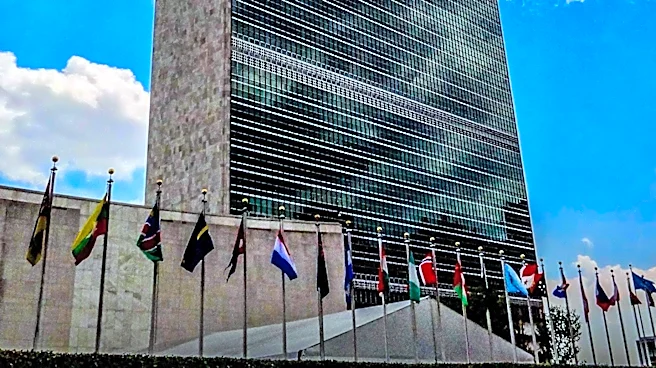
international order. Traditional allies of Washington and other Western states, who have largely operated within a multilateral framework supported by the U.S., are now seeking new initiatives. These initiatives aim to reform the United Nations and rethink multilateral cooperation across various areas and political agendas. The Peace Research Institute Oslo (PRIO) and Sciences Po Center for International Studies are co-organizing an annual GRAM conference to assess the formation of these coalitions within the current international system. The conference will examine the roles of Norway, France, and Switzerland due to their specific positions in the global system, exploring coalitions within intergovernmental organizations, club diplomacy, and public-private partnerships.
Why It's Important?
The shift in U.S. foreign policy, as described, has significant implications for global stability and the future of international cooperation. The perceived abandonment of a liberal international order by the U.S. could lead to a fragmentation of global governance and an increase in geopolitical tensions. For the U.S., this could mean a reduction in its influence on the global stage and a potential weakening of its alliances. For other nations, particularly 'middle powers,' the emphasis on building multilateral coalitions is crucial for maintaining international order and addressing shared challenges. These nations stand to lose the most in a world characterized by isolationism and gain the most from genuine cooperation. The efforts to reform the UN and rethink multilateral cooperation highlight a collective desire to adapt to a changing global landscape and ensure that international institutions remain relevant and effective.
What's Next?
The ongoing discussions and initiatives, such as the GRAM conference, are expected to continue exploring strategies for strengthening multilateral cooperation. The focus will likely remain on how traditional U.S. allies and other nations can collectively address global challenges in an environment where U.S. leadership in multilateral frameworks is perceived to be diminishing. Future actions may include further efforts to reform existing international organizations like the UN, the establishment of new 'club diplomacy' frameworks, and the expansion of public-private partnerships to tackle complex issues. The outcomes of these discussions could shape the future of international relations, potentially leading to a more distributed and diverse leadership in global governance, with a greater emphasis on collective action from a broader range of states.
Beyond the Headlines
The underlying implications of these developments extend to the fundamental principles of international law and global governance. The perceived retreat of the U.S. from its traditional role as a guarantor of the liberal international order raises questions about the long-term viability of existing international norms and institutions. This situation could lead to a re-evaluation of national interests and alliances, potentially fostering new geopolitical alignments. The emphasis on multilateralism by other nations can be seen as a strategic move to preserve stability and address global issues that transcend national borders, such as climate change, economic crises, and security threats. This period of adjustment could redefine the balance of power and influence in international affairs, highlighting the evolving nature of global leadership and cooperation.