



What's Happening?
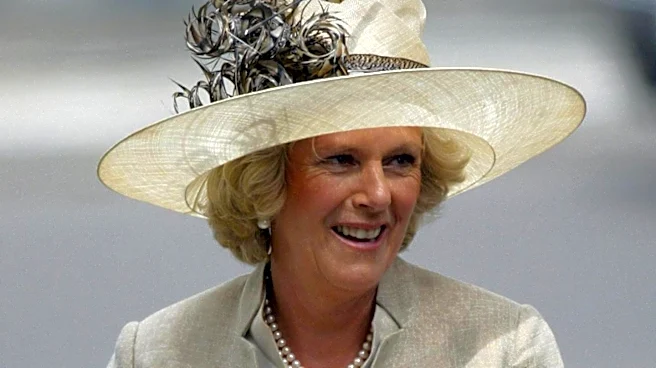
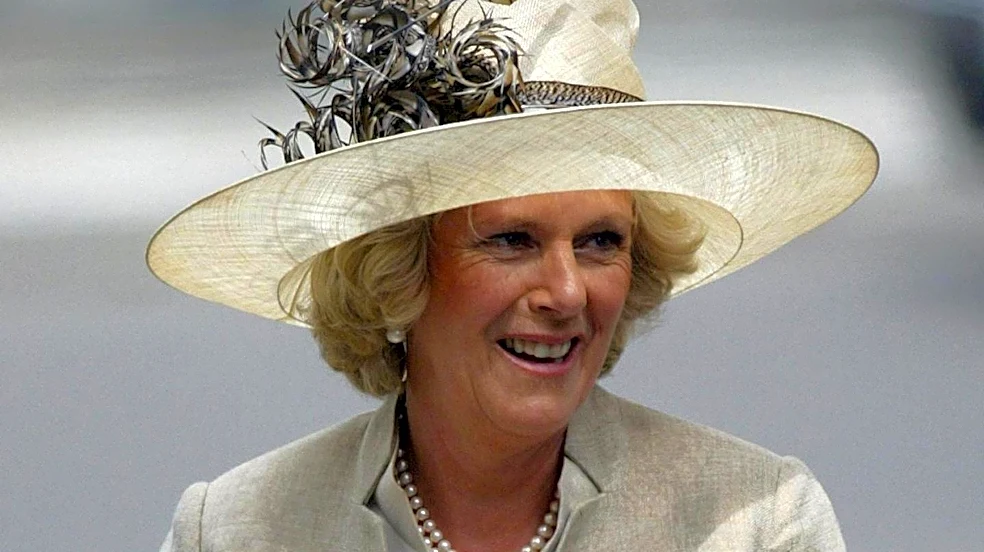
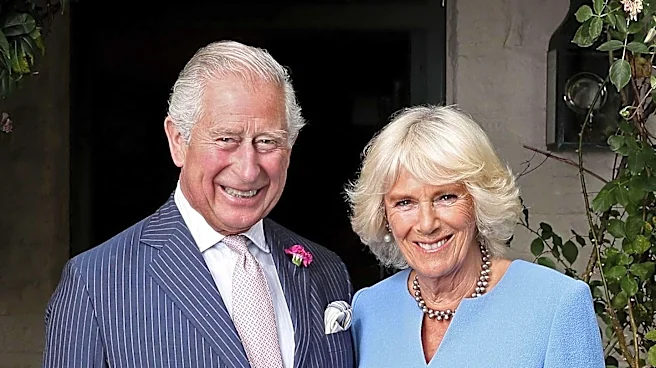
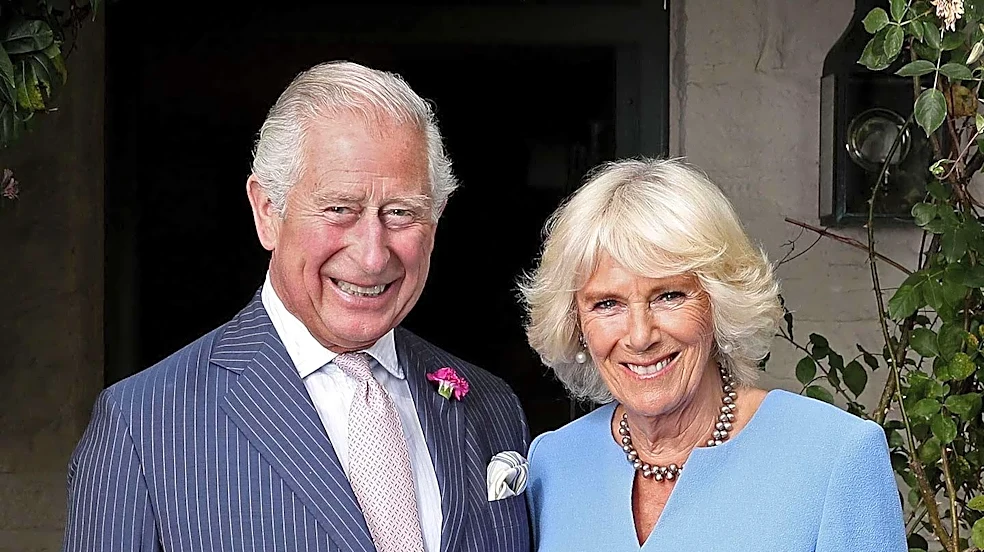
Tom Parker Bowles, son of Queen Camilla, has spoken out about the intense public animosity his mother faced, particularly during the 1990s. In an episode of the podcast 'Don’t Judge Me,' Parker Bowles acknowledged that despite the current positive public perception
of his mother, the difficult period of widespread criticism and hatred has not been forgotten by the family. He highlighted that Camilla was often blamed for the breakdown of the marriage between King Charles III (then Prince Charles) and Princess Diana, leading to her being a target of public scorn. Parker Bowles praised his mother's resilience and her stoic approach to adversity, characterized by the mantra: 'Never complain, never explain, and just get on with it.' He noted that this attitude has remained consistent over the years, even as her public role and acceptance have evolved significantly.
Why It's Important?
This reflection by Tom Parker Bowles offers a rare glimpse into the personal impact of public scrutiny on members of the British Royal Family and their immediate relatives. It underscores the long-lasting effects of media narratives and public opinion on individuals, even decades after the events. The comments highlight the contrast between Camilla's past vilification and her current position as Queen, suggesting a significant shift in public sentiment and acceptance. This narrative is important for understanding the evolving dynamics of the monarchy and how public figures navigate periods of intense criticism. It also sheds light on the personal sacrifices and emotional toll experienced by those associated with the Royal Family, emphasizing the human element behind the royal facade. The resilience described by Parker Bowles could serve as a case study in managing public image and personal fortitude under extreme pressure.
What's Next?
While Tom Parker Bowles's comments are retrospective, they contribute to the ongoing public discourse surrounding Queen Camilla's role and legacy within the British monarchy. Such personal insights from family members can influence public perception and historical narratives, potentially fostering a deeper understanding and empathy for the Royal Family. Future discussions or documentaries about the monarchy may incorporate these perspectives, further shaping how Camilla's journey from controversial figure to Queen Consort is understood. The continued public appearances and engagements of Queen Camilla will likely be viewed through the lens of her past experiences, with her steadfast demeanor potentially reinforcing the image of resilience her son described. The Royal Family's ongoing efforts to maintain relevance and public support will continue to be influenced by how these historical narratives are presented and received.
Beyond the Headlines
The deeper implications of Parker Bowles's remarks touch upon the psychological burden of public life and the long-term impact of media sensationalism. The 'never complain, never explain' ethos, while a hallmark of British royal tradition, also speaks to a broader cultural approach to adversity, emphasizing stoicism over public emotional expression. This perspective offers a contrast to modern trends of transparency and vulnerability in public figures. The story also implicitly raises questions about the fairness and ethics of media coverage, particularly in high-profile personal matters, and how public figures, especially women, are often disproportionately targeted. The eventual acceptance of Camilla by the public, despite earlier hostility, suggests a societal capacity for re-evaluation and forgiveness, or perhaps a shift in public priorities and values over time. This narrative could also be seen as a testament to the power of perseverance in the face of widespread disapproval.