


What's Happening?
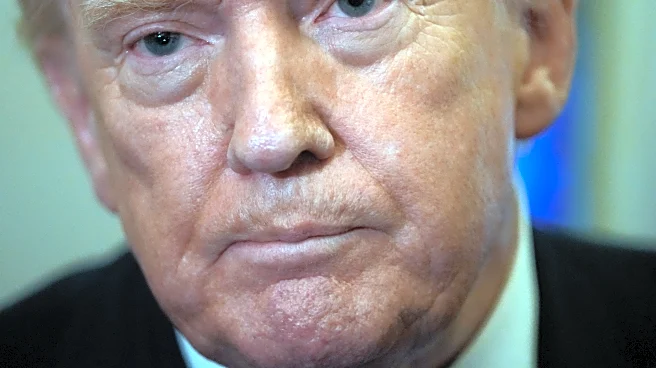
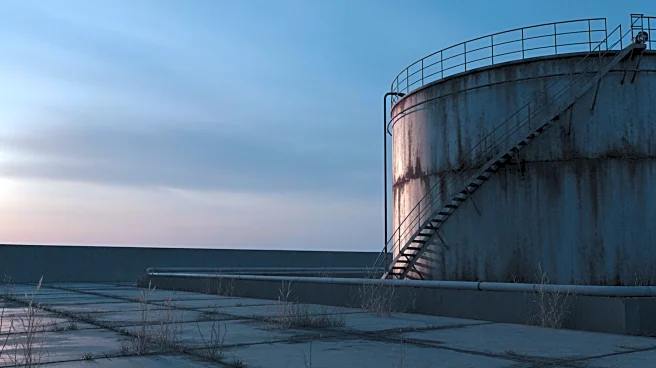
Cuba is experiencing severe economic challenges due to a worsening fuel shortage, exacerbated by U.S. sanctions under President Trump's administration. The U.S. blockade of Venezuelan oil shipments, Cuba's primary fuel source, has intensified the crisis.
Cuban President Miguel Díaz-Canel has implemented emergency measures, including shorter workweeks and fuel rationing, to manage the situation. The fuel shortage has led to significant disruptions, including blackouts and impacts on essential services. The tourism industry, heavily reliant on Canadian visitors, is also suffering, with a notable decline in tourist numbers.
Why It's Important?
The fuel shortage in Cuba has far-reaching implications for the island's economy and its citizens' daily lives. The U.S. sanctions aim to pressure the Cuban government, but they also risk destabilizing the region and affecting international relations. The situation highlights the complex interplay between U.S. foreign policy and its impact on neighboring countries. The economic strain could lead to increased migration pressures and humanitarian concerns, affecting both Cuba and countries with significant Cuban expatriate communities.
What's Next?
Cuba's government may seek diplomatic negotiations with the U.S. to alleviate some of the economic pressures. However, the path forward remains uncertain, with potential for further economic deterioration if the fuel shortage persists. The international community, including countries like Canada, may need to navigate the geopolitical tensions carefully, balancing humanitarian concerns with diplomatic relations. The situation could also prompt discussions on the effectiveness and ethics of economic sanctions as a tool for political change.