








What's Happening?
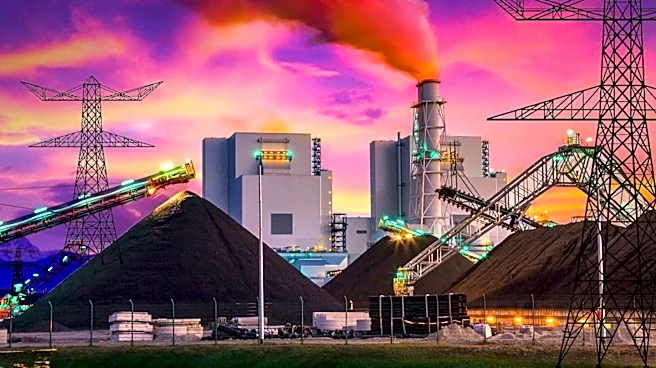
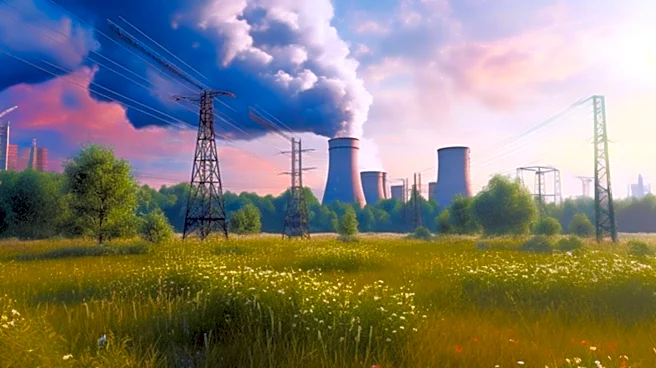
Recent heat waves across the U.S. are putting significant strain on electricity grids, exacerbated by the growing demand from data centers requiring constant power. As temperatures soar above 100°F, households increase air conditioning usage, further
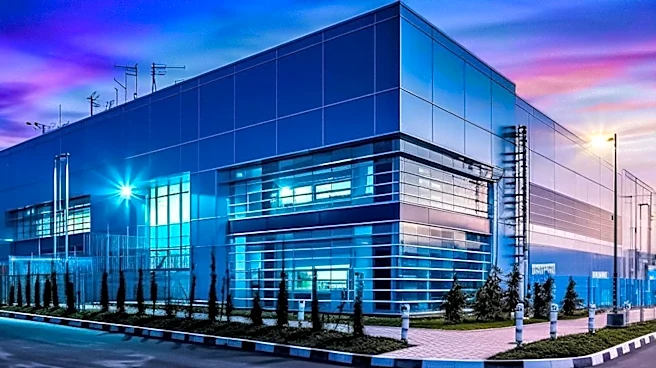
stressing power reserves and aging transmission equipment. The PJM Interconnection LLC, serving 67 million people from Chicago to Washington, D.C., is experiencing heightened demand, particularly in Virginia's Data Center Alley. Emergency alerts have been issued across multiple states, highlighting the challenges faced by regional transmission operators in maintaining grid stability.
Why It's Important?
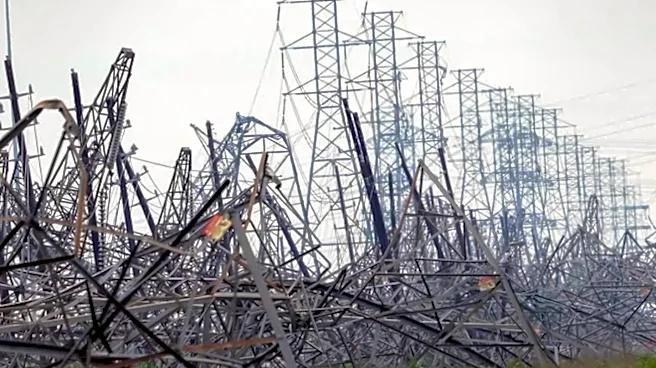
The intersection of extreme weather and rising energy demands poses a critical challenge for the U.S. power infrastructure. The strain on electricity grids can lead to outages, affecting millions of households and businesses. The reliance on data centers, particularly for artificial intelligence applications, underscores the need for robust and resilient power systems. As climate change continues to drive temperature extremes, the energy sector must adapt by investing in renewable energy sources and upgrading transmission capabilities to ensure reliability and sustainability.
What's Next?
Power grid operators are likely to seek federal assistance and implement emergency measures to cope with increased demand. Investments in renewable energy and grid modernization will be crucial to address the growing power needs. Policymakers may focus on developing strategies to enhance grid resilience and support the transition to cleaner energy sources. Collaboration between government agencies, utilities, and technology companies will be essential to navigate the challenges posed by climate change and technological advancements.
Beyond the Headlines
The environmental impact of increased energy consumption highlights the need for sustainable practices in the tech industry. The expansion of data centers raises questions about energy efficiency and carbon footprint, prompting discussions on green technology solutions. The social implications of power outages, particularly in vulnerable communities, emphasize the importance of equitable access to reliable energy. Long-term strategies must consider the balance between technological growth and environmental stewardship.