







What's Happening?
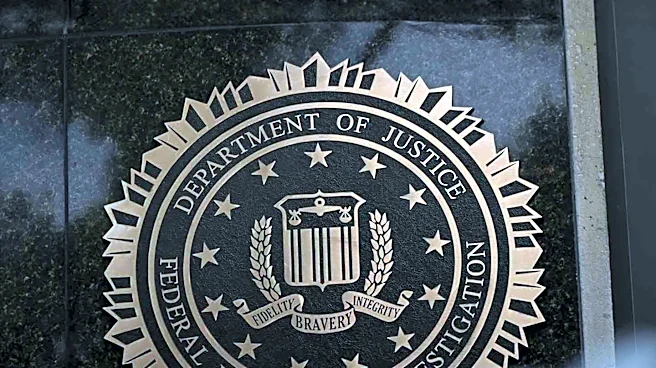
The FBI has arrested James Thomas Ashbacher, a 37-year-old former government contractor from Spring Lake, North Carolina, on charges of leaking classified national defense information. Ashbacher is accused of sharing top-secret safety data online, unlawfully
storing national defense materials at his residence, and stealing night-vision equipment from the U.S. Army Special Operations Command. He faces federal charges including unauthorized transmission of national defense information, unlawful retention of defense records, and theft of government property. According to the Justice Department, Ashbacher allegedly photographed and removed classified military operation videos and photos without authorization, then transmitted these materials to a social media site, which were subsequently re-posted by other users. He reportedly urged a social media user to remove uploaded materials, stating he was "trying to do some damage control." A search of his home by federal agents uncovered a classified military award nomination and a specialized night-vision goggle system previously reported missing from an Army special operations unit. Ashbacher held a top-secret clearance with sensitive compartmented information (SCI) access while working for a contractor providing security services to the U.S. Army at Fort Bragg.
Why It's Important?
This arrest underscores the critical national security risks posed by unauthorized disclosures of classified information, particularly through digital platforms. The alleged actions of James Thomas Ashbacher highlight vulnerabilities within government contracting and security clearance systems, as an individual with top-secret SCI access is accused of compromising sensitive military operations data. Such leaks can endanger military personnel, compromise intelligence gathering capabilities, and undermine national defense strategies. The use of social media as a conduit for these disclosures further complicates efforts to control the spread of classified material, as information can rapidly disseminate beyond initial control. This incident also raises questions about the effectiveness of internal security protocols and oversight mechanisms designed to prevent such breaches. For the U.S. government, it necessitates a review of how classified information is handled, stored, and transmitted, and how personnel with access are monitored. The theft of government property, specifically night-vision equipment, also points to potential broader security lapses beyond just digital information.
What's Next?
James Thomas Ashbacher will face federal prosecution on charges of unauthorized transmission of national defense information, unlawful retention of defense records, and theft of government property. The investigation is being conducted by the FBI Charlotte field office in coordination with the U.S. Department of the Army’s criminal investigation division. The legal proceedings will likely involve a thorough examination of the evidence, including the digital trail of the alleged leaks and the classified materials found at his residence. This case could lead to a significant prison sentence if Ashbacher is convicted, similar to other recent high-profile leak cases. Furthermore, this incident may prompt the Department of Defense and other government agencies to review and potentially strengthen their protocols for handling classified information, monitoring personnel with security clearances, and securing sensitive equipment. There could also be increased scrutiny on government contractors and their employees who have access to classified data.
Beyond the Headlines
The alleged actions of James Thomas Ashbacher bring to light the persistent challenge of insider threats to national security, particularly in the digital age. The ease with which classified information can be photographed and transmitted via social media platforms presents a significant and evolving threat landscape. This case highlights not only the technical vulnerabilities but also the human element of security breaches, where individuals with privileged access may intentionally or unintentionally compromise sensitive data. The incident could trigger broader discussions within intelligence and defense communities about the psychological profiling and continuous vetting of personnel with high-level security clearances. It also underscores the tension between the need for information sharing within government operations and the imperative to protect national secrets. The re-posting of classified materials by other users on social media further illustrates the viral nature of digital information and the difficulty of containing leaks once they occur, posing complex challenges for damage control and mitigation efforts by federal agencies. This event serves as a stark reminder of the ongoing battle to safeguard national defense information in an increasingly interconnected world.