





What's Happening?
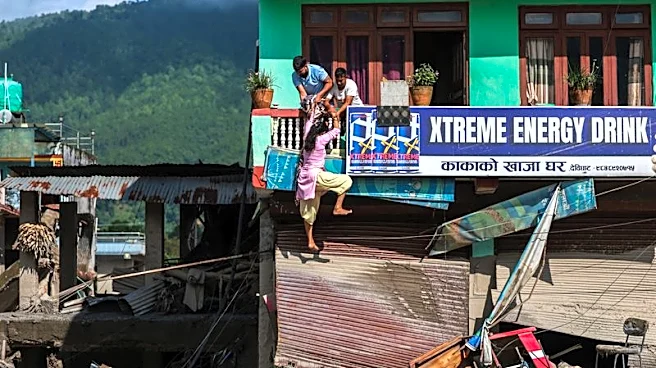
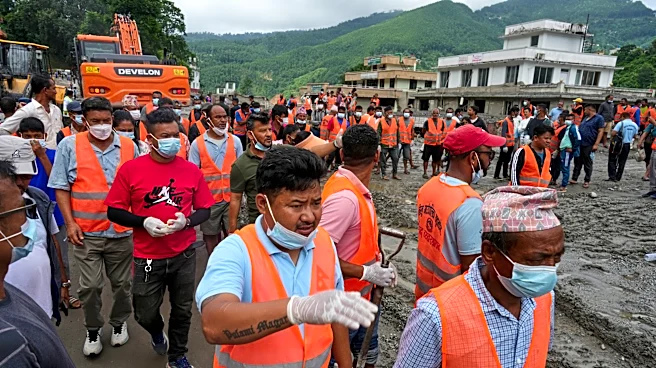
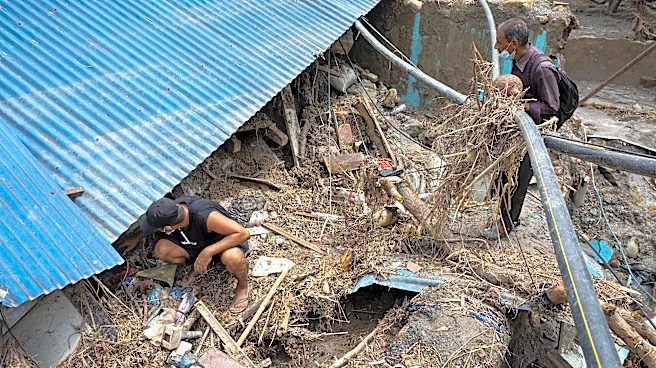
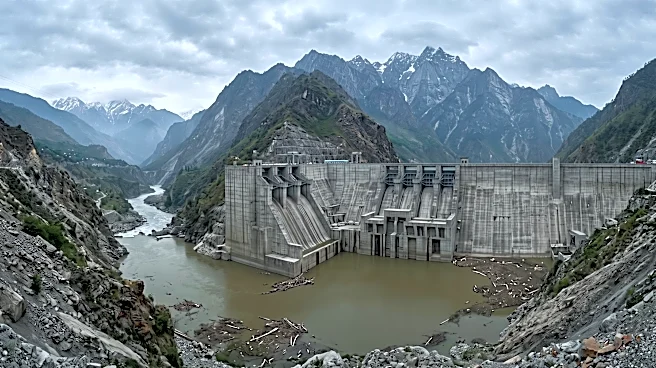
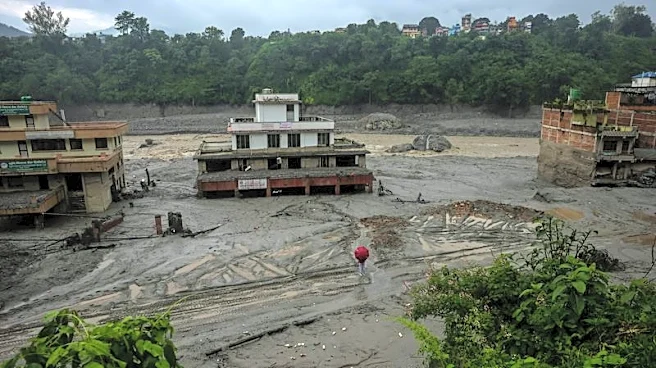
Recent floods in Nepal and China have severely impacted Nepal's hydropower infrastructure, knocking out approximately 10% of the country's power capacity. Workers are currently engaged in clearing mud from damaged power stations to restore electricity
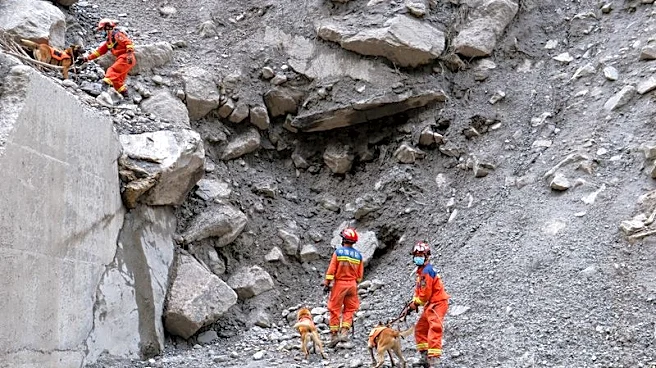
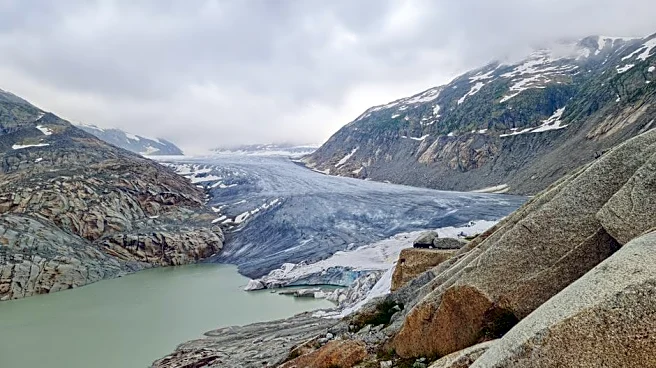
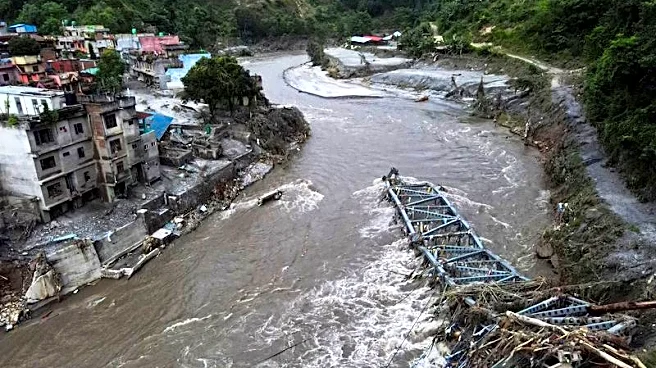
to over 20,000 people. The floods have also led to hundreds of hydropower project workers being unaccounted for, with many reportedly trapped in tunnels. Beyond hydropower facilities, tens of kilometers of roads, multiple bridges, and essential buildings like schools and hospitals have been destroyed. Climate scientists indicate that the Himalayan region is warming at an accelerated rate, making it particularly susceptible to increased global warming and subsequent climate-driven disasters. This event highlights the growing risks to infrastructure in the Himalayas due to rising floods, landslides, and debris flows.
Why It's Important?
The destruction of Nepal's hydropower facilities underscores the critical vulnerability of essential infrastructure in regions highly susceptible to climate change. Hydropower is a cornerstone of Nepal's electricity grid and a significant source of economic growth and export revenue. The incident reveals that current infrastructure planning may not adequately account for the increasing frequency and intensity of climate-driven disasters. The Coalition for Disaster Resilient Infrastructure estimates that $124 billion worth of Nepal’s infrastructure is exposed to such events, potentially leading to hundreds of millions of dollars in annual losses. This situation has broader implications for other nations relying on similar infrastructure in climate-vulnerable areas, emphasizing the need for resilient rebuilding strategies and improved early warning systems to protect both infrastructure and human lives.
What's Next?
Following the immediate disaster response, Nepal faces the challenge of rebuilding its damaged infrastructure, including power plants, roads, bridges, schools, and health facilities, in a manner that enhances resilience against future climate events. Disaster experts suggest that authorities must critically assess how to rebuild without exposing new structures to the same vulnerabilities. This includes re-evaluating the approval process for future projects. Recommendations include choosing better construction locations, implementing alternate routes, providing backup power, improving early warning systems, and utilizing financial tools like insurance to expedite recovery. There will likely be increased scrutiny on environmental, social, and disaster-risk assessments for future projects, with calls for stronger accountability and consideration of diversified energy sources like decentralized solar power.
Beyond the Headlines
The Nepal floods highlight a deeper global challenge: the need to integrate climate resilience into all aspects of infrastructure development, particularly in regions experiencing rapid environmental changes. The concept of 'rebuilding for resilience, not just replacement' suggests a paradigm shift in disaster recovery, moving beyond simply restoring what was lost to creating systems that can withstand future shocks. The incident also brings to light the ethical considerations surrounding early warning systems, as questions arise about whether warnings could have reached workers sooner. Furthermore, the potential for hydropower projects themselves to act as 'force multipliers' by altering river channels and contributing to downstream damage raises complex questions about the environmental impact of large-scale infrastructure and the need for comprehensive, ecosystem-based planning.