





What's Happening?
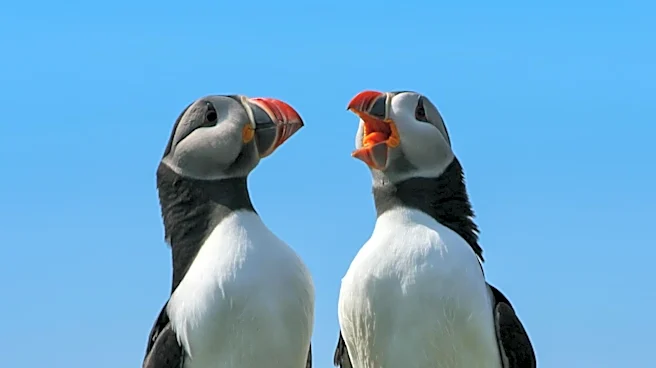
Additional test results have clarified that three tufted puffins at Point Defiance Zoo & Aquarium died earlier this summer from a rare avian Chlamydia abortus strain, not avian psittacosis as initially suspected. Point Defiance Zoo & Aquarium and the
Tacoma-Pierce County Health Department confirmed that there have been no additional infected birds since the initial cases, and environmental testing in early August did not detect the bacteria. Dr. Karen Wolf, head veterinarian, stated that the puffin colony is being closely monitored. Officials are still investigating the source of the infection, with exposure from a wild bird being a possible cause. Expanded environmental testing is planned for Point Defiance Park and the zoo, with staff collecting samples in personal protective equipment. While avian Chlamydia abortus can infect humans, no human cases have been identified in connection with this situation, and the risk to the public remains low.
Why It's Important?
This incident highlights the ongoing challenges zoos and wildlife conservation efforts face in managing and protecting animal populations from infectious diseases, especially those with zoonotic potential. The identification of a rare avian Chlamydia abortus strain underscores the importance of thorough diagnostic testing and the complexities of disease ecology. While the risk to the public is deemed low, any potential for zoonotic transmission necessitates careful monitoring and transparent communication, impacting public trust in zoos and wildlife facilities. The investigation into the source of the infection, particularly the possibility of wild bird exposure, emphasizes the interconnectedness of wild and captive animal health and the need for robust biosecurity measures. This event could lead to enhanced protocols for disease surveillance and prevention in zoos and wildlife parks across the U.S., influencing animal care standards and public health guidelines.
What's Next?
Point Defiance Zoo & Aquarium plans additional precautionary testing of healthy birds in the puffin habitat and further environmental testing inside the exhibit to ensure the bacteria are no longer detectable. Expanded environmental testing will also occur in Point Defiance Park to determine if the organism is present elsewhere. Officials from various state and federal agencies, including the Washington Department of Fish and Wildlife and the Centers for Disease Control and Prevention, are collaborating on the investigation. The zoo will remain closed to the public until officials are confident it is safe to reopen. Updates will be provided as significant new findings emerge. This situation may lead to a review of biosecurity measures and disease management protocols for avian species in zoos nationwide, potentially influencing best practices for preventing and responding to similar outbreaks.
Beyond the Headlines
The death of the puffins from a rare Chlamydia abortus strain brings to light the delicate balance of ecosystems and the constant threat of emerging infectious diseases, even in controlled environments like zoos. This event underscores the broader implications of wildlife health on public health, as zoonotic diseases can jump from animals to humans. It also highlights the critical role of veterinary science and collaborative efforts between zoos, public health departments, and wildlife agencies in understanding and mitigating such threats. The incident could spark discussions about the impact of environmental changes on disease patterns and the need for a 'One Health' approach that recognizes the interdependence of human, animal, and environmental health. The long-term shift could be an increased focus on ecological health and preventative measures to safeguard both wildlife and human populations from novel pathogens.