







What's Happening?
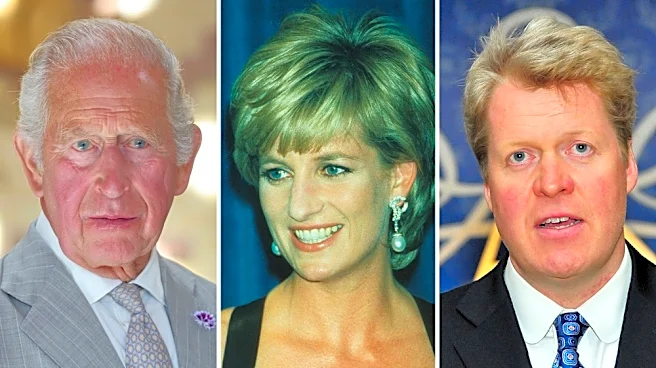
King Charles has issued a rare public response to a claim made by Earl Spencer, Princess Diana's brother, in an excerpt from his upcoming biography, 'Swan Song.' Earl Spencer alleges that King Charles, then Prince Charles, told him, 'we'll forget her soon
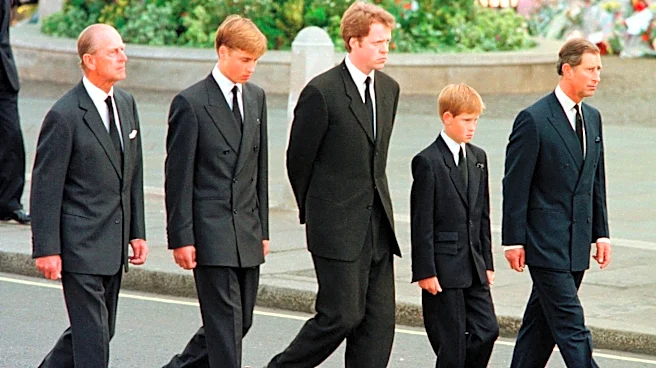
enough,' during a phone call ahead of Princess Diana's funeral in 1997. This claim is particularly sensitive as it pertains to the arrangements for William and Harry to walk in their mother's funeral procession. The Palace statement, while not directly commenting on the book, noted that 'His Majesty is mindful that the pain of fraternal grief can cloud reason, affect judgment and colour memory in ways others do not recognise, even many years after such a loss.' This response is seen as a careful and dignified way to address the explosive allegation without engaging in a public dispute, echoing Queen Elizabeth's 'recollections may vary' statement following Prince Harry and Meghan's interview with Oprah Winfrey in 2021. The book is set to be released on September 22nd, with expectations of further revelations.
Why It's Important?
This event is important as it highlights the ongoing public scrutiny and historical narratives surrounding the British Royal Family, particularly concerning Princess Diana's legacy and the events following her death. The King's decision to issue a statement, despite the Royal Family's traditional 'never explain, never complain' approach, underscores the gravity of Earl Spencer's claim and its potential impact on public perception. It demonstrates the Royal Family's strategic efforts to manage their image and address sensitive historical allegations, especially those that could affect the public's view of King Charles's character and his relationship with his sons. The comparison to Queen Elizabeth's response to the Oprah Winfrey interview suggests a consistent, albeit rare, strategy for handling reputational crises. The incident also brings renewed attention to the emotional complexities and differing perspectives surrounding Princess Diana's funeral and the roles played by various family members.
What's Next?
The full publication of Earl Spencer's biography, 'Swan Song,' on September 22nd is expected to bring more revelations, potentially leading to further public discussion and media attention surrounding the Royal Family. It remains to be seen if the Palace will issue additional statements or if other members of the Royal Family will address the claims. The book's release will likely reignite debates about Princess Diana's life, her relationship with the Royal Family, and the events following her death. Media outlets and royal commentators will undoubtedly analyze the contents of the book and the Royal Family's reactions. The public's reception of the book and any subsequent responses from the Palace could influence public opinion regarding the monarchy and its historical narratives. This situation could also prompt further historical analysis and discussions about the Royal Family's past actions and their impact on current perceptions.
Beyond the Headlines
Beyond the immediate headlines, this event touches upon deeper themes of memory, grief, and historical interpretation within prominent families. Earl Spencer's claim and King Charles's response highlight how personal recollections of traumatic events can diverge significantly, even decades later. The Royal Family's careful handling of such allegations reflects a broader strategy of maintaining institutional dignity and control over their public narrative, even when faced with deeply personal and potentially damaging accounts. This incident also underscores the enduring public fascination with Princess Diana and the lasting impact of her life and death on the British monarchy. It raises questions about the ethics of publishing private conversations and the balance between personal truth and public image for figures in the public eye. The use of carefully worded statements by the monarchy also illustrates a sophisticated approach to public relations in an era of constant media scrutiny.