







What's Happening?
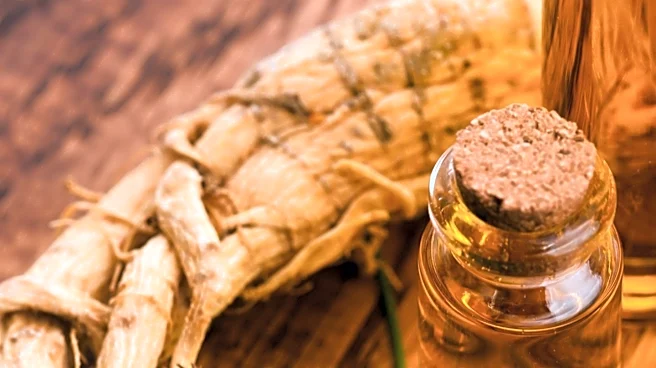
Researchers have identified a natural compound, obakulactone (OL), derived from Phellodendri cortex, that may offer a new treatment pathway for rheumatoid arthritis. The study, published in Engineering, found that OL targets fatty acid metabolism, promoting
the breakdown of acyl coenzyme A thioesterase 1 (ACOT1) and restoring balance in unsaturated fatty acids linked to inflammation. In experimental models, OL reduced joint swelling and improved tissue structure in rats with induced rheumatoid arthritis. The compound also shifted immune cell types and decreased inflammatory markers, suggesting a potential alternative to traditional immune-suppressing treatments.
Why It's Important?
This discovery could lead to more precise treatment strategies for rheumatoid arthritis, a condition affecting millions worldwide. By targeting metabolic pathways rather than solely focusing on immune suppression, OL offers a novel approach that may reduce side effects associated with current treatments. The findings highlight the potential of natural compounds in addressing complex diseases and could inspire further research into metabolic interventions for inflammatory conditions. If successful in human trials, OL could provide a new option for patients with limited response to existing therapies.