
What's Happening?
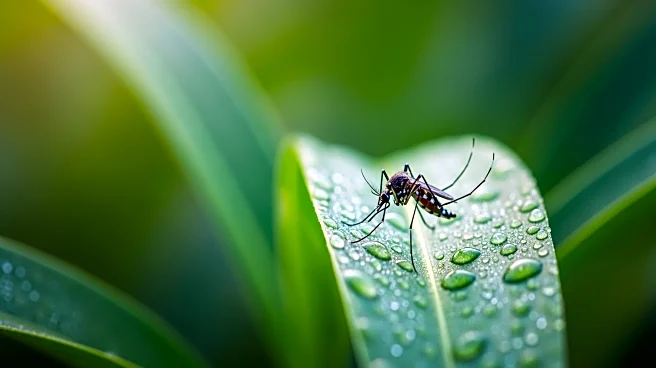
A case of Japanese encephalitis virus has been identified in a mosquito trap in Horsham, north-west of Melbourne, marking the first case of the Australian summer. The virus, spread by mosquitoes, can cause
severe brain inflammation in rare cases. Most people experience mild or no symptoms. The virus was first detected in Australia in 2022. Researchers are exploring new methods to manage mosquito populations, such as using soap and fungi, and emphasize the need to reduce pollution to stabilize weather patterns and control mosquito-borne diseases.
Why It's Important?
The rise in mosquito populations due to global warming and pollution has led to an increase in mosquito-borne diseases like Japanese encephalitis, Zika, dengue, and West Nile virus. These diseases pose significant public health challenges, especially in regions with high mosquito activity. The situation underscores the importance of environmental policies aimed at reducing pollution and stabilizing climate patterns to prevent the spread of these diseases. The development of effective mosquito control methods and vaccines is crucial to protect public health.
What's Next?
Australian authorities recommend precautions such as using bug spray, wearing light-colored clothing, and eliminating stagnant water to prevent infections. Continued research into mosquito control and vaccine development is essential. The situation may prompt further government action to address pollution and climate change as part of a broader strategy to combat mosquito-borne diseases.