






What's Happening?
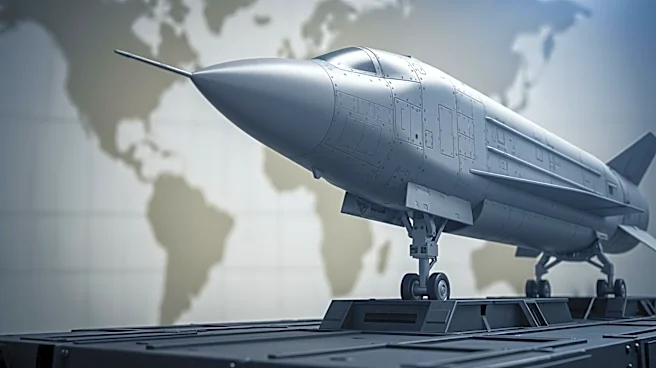
Pentagon officials have expressed concerns about the heavy reliance on US interceptors by Israel during the recent conflict with Iran. The US reportedly deployed around 200 Terminal High Altitude Area Defense (THAAD) interceptors, double the number used
by Israel, to counter Iranian missile threats. This extensive use has raised alarms about the depletion of US interceptor stockpiles, which are crucial for defense against threats from countries like China and North Korea. The US Congress has highlighted the need for increased production to replenish these stockpiles, as current rates are insufficient for sustained defense in prolonged conflicts.
Why It's Important?
The reliance on US interceptors by Israel underscores the strategic partnership between the two nations but also highlights vulnerabilities in the US's ability to maintain its defense commitments globally. The depletion of interceptor stockpiles could impact the US's readiness to respond to other international threats, potentially affecting its allies' security. This situation emphasizes the need for increased production and strategic management of defense resources to ensure long-term sustainability. The concerns raised by Japan and South Korea further illustrate the global implications of the US's defense resource allocation.
What's Next?
To address these concerns, the US may need to accelerate production of interceptors and explore alternative defense strategies to ensure readiness for future conflicts. This could involve increased investment in defense manufacturing capabilities and collaboration with allies to share the burden of missile defense. Additionally, the US may need to reassess its defense commitments and prioritize resource allocation to maintain a balanced and effective global defense posture.