





What's Happening?
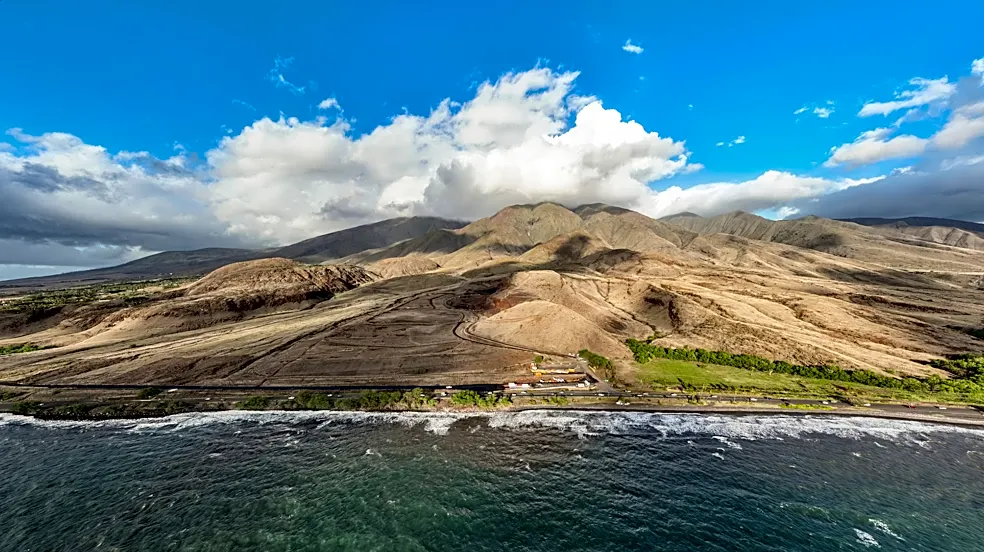
Sam Ohu Gon III, the senior scientist and cultural advisor with The Nature Conservancy, is stepping back from full-time work after dedicating nearly 50 years to conservation efforts in Hawaiʻi. Gon has been a pivotal figure in preserving and protecting
the natural environment of the islands. His career has spanned half a century, during which he has contributed significantly to understanding and safeguarding Hawaii's unique ecosystems. Gon emphasizes the illusion of pristine native forests, noting that their current state is a result of decades of diligent efforts to manage invasive species and mitigate threats. He advocates for a broad interest in the natural world, encouraging young people to be fascinated by all aspects of nature, much like naturalists of the past. Gon also highlights the critical juncture of culture and conservation in Hawaiʻi, where the Hawaiian language and place names remain vibrant, influencing the future of conservation globally.
Why It's Important?
Sam Ohu Gon III's extensive career underscores the long-term commitment required for effective conservation, particularly in biodiversity hotspots like Hawaiʻi. His transition from full-time work marks a significant moment for The Nature Conservancy and the broader conservation community, as his expertise and cultural insights have been invaluable. His reflections highlight the ongoing battle against invasive species and environmental degradation, emphasizing that conservation is a continuous, active process rather than a static achievement. Gon's perspective on the integration of culture and conservation is particularly vital, as it recognizes that the preservation of natural landscapes is deeply intertwined with indigenous knowledge, language, and practices. This holistic approach is crucial for developing sustainable conservation strategies that resonate with local communities and ensure long-term success.
What's Next?
While Sam Ohu Gon III is stepping back from full-time duties, his legacy and insights will continue to influence conservation efforts in Hawaiʻi. The Nature Conservancy and other environmental organizations will likely continue to build upon the foundations he helped establish, particularly in integrating cultural perspectives into scientific conservation. His advice to young people to maintain broad interests in the natural world may inspire future generations of conservationists to adopt a holistic approach to environmental stewardship. The ongoing emphasis on the intersection of culture and conservation, as championed by Gon, is expected to gain further traction, shaping future policies and community engagement strategies aimed at protecting Hawaii's unique natural and cultural heritage.
Beyond the Headlines
Gon's career illustrates the profound impact an individual can have on environmental stewardship over decades. His emphasis on the 'illusion' of untouched nature serves as a powerful reminder that even seemingly pristine environments require constant human intervention and protection from threats. This perspective challenges romanticized notions of wilderness and highlights the active role humans must play in conservation. Furthermore, his focus on the enduring vitality of Hawaiian culture—its language, place names, and growing influence in conservation—suggests a model for other indigenous communities worldwide. It underscores that cultural resilience can be a powerful force for environmental protection, offering unique perspectives and traditional ecological knowledge that are often overlooked in conventional conservation approaches. This integration of culture and conservation could be a blueprint for global efforts to address biodiversity loss and climate change.