


What's Happening?
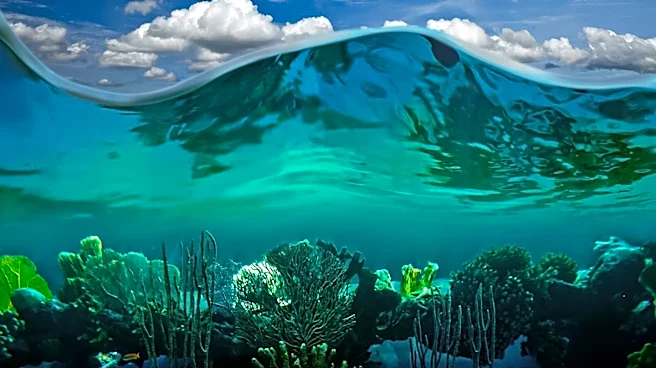
The Coral Restoration Foundation (CRF) has established a second in-water coral gene bank at its Elbow Nursery, relocating approximately 1,000 corals representing 130 genotypes from its Tavernier Nursery. This initiative is a critical step to protect irreplaceable
genetic diversity, especially as El Niño strengthens and poses a significant threat of severe heat stress to Florida's coral reefs. The transfer is the initial phase of a broader effort to move around 3,500 corals to Elbow, aiming to create a complete in-water replication of the genetic diversity maintained at Tavernier. This strategic move is part of CRF's bleaching response plan, designed to mitigate risks by ensuring important genetic stock is not solely dependent on conditions at a single in-water site. The decision follows the devastating 2023 Fourth Global Bleaching Event, which caused widespread coral mortality in Florida, leading to the functional extinction of elkhorn and staghorn corals in the region. NOAA's Coral Reef Watch currently places the Florida Keys at Alert Level 3, indicating an increased risk of reef-wide multi-species mortality, with a greater than 90% chance of El Niño becoming a very strong event in late 2026-2027.
Why It's Important?
The establishment of a second in-water coral gene bank by the Coral Restoration Foundation is critically important for the long-term survival of Florida's coral reefs, which are vital ecosystems supporting marine biodiversity and coastal protection. The loss of genetic diversity, as highlighted by Dr. Phanor Montoya Maya, CRF Restoration Program Manager, is irreversible once it occurs, making these gene banks essential for preserving future restoration options. The redundancy provided by having two in-water sites, in addition to land-based banking, offers a crucial safeguard against localized environmental threats, such as extreme heat events. The Elbow Nursery site, with its greater water movement, may offer different environmental conditions that could potentially lessen the physiological impacts of heat stress on corals, providing valuable data for future nursery management and restoration strategies. The functional extinction of elkhorn and staghorn corals in Florida following the 2023 bleaching event underscores the urgency of these conservation efforts, as these species play significant ecological roles. Protecting these corals is not only about biodiversity but also about maintaining the health of the broader marine environment and the economic activities, such as tourism and fishing, that depend on it.
What's Next?
In the coming weeks, additional transfers of corals are planned, contingent on the progression of heat stress across the Florida Keys. The Coral Restoration Foundation will shift its focus from moving corals to maintaining their health at the new Elbow Nursery. This will involve regular nursery maintenance operations, continuous monitoring, and diligent care for the corals, while tracking their performance throughout the remainder of the current bleaching season and beyond. The data collected from monitoring corals at both the Tavernier and Elbow Nurseries, particularly regarding their response to different environmental conditions, will be crucial for informing future coral restoration and management strategies. With NOAA predicting a strong El Niño event extending into 2027, the threat of further severe bleaching events remains high, making the ongoing efforts to safeguard genetic diversity and understand coral resilience even more critical. The insights gained from these gene banks could influence broader conservation policies and practices for coral reefs globally.
Beyond the Headlines
The Coral Restoration Foundation's proactive measures extend beyond immediate conservation, touching upon deeper implications for climate change adaptation and the ethical responsibility of preserving natural heritage. The concept of 'functional extinction' for key coral species in Florida highlights a grim reality: even if individual organisms exist, their populations may be too depleted to perform their ecological roles, signaling a profound shift in marine ecosystems. This situation underscores the urgent need for innovative conservation strategies that go beyond traditional methods, embracing approaches like genetic banking and strategic relocation. The effort also raises questions about the long-term viability of in-situ conservation in the face of escalating climate change impacts. While these gene banks offer a critical buffer, they also serve as a stark reminder of the limits of human intervention against large-scale environmental degradation. The project implicitly calls for greater global action on climate change, as local efforts, however dedicated, can only mitigate symptoms without addressing the root causes of coral reef decline. The research into how different environmental conditions, like water flow, affect coral resilience could also unlock new avenues for understanding and fostering adaptation in vulnerable marine species.