





What's Happening?
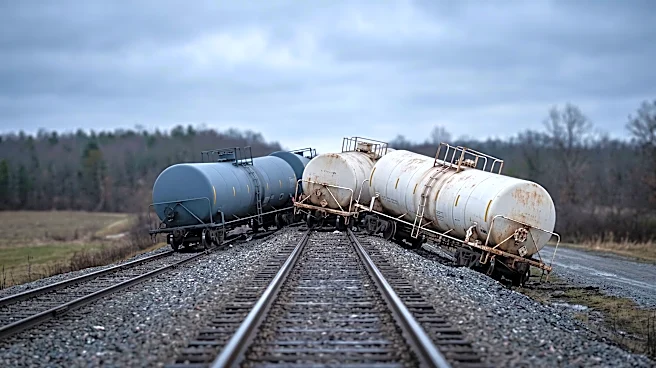
Train derailments can lead to the rapid release of hazardous chemicals into surrounding communities, posing immediate and long-term health risks. These incidents can involve various dangerous substances, including chemicals, petroleum products, compressed
gases, and industrial materials. Exposure can occur through inhalation of toxic vapors or gases, direct skin or eye contact with chemicals, or contact with contaminated surfaces. The severity of a chemical release is influenced by factors such as the type and concentration of the chemical, temperature, ventilation, weather conditions, fire risk, duration of exposure, and proximity to the spill. Potential health consequences for those near a serious spill include toxic vapor inhalation, chemical burns, respiratory injury, loss of consciousness, fire and explosion injuries, neurological damage, internal organ damage, and long-term complications. Investigations into such incidents typically examine the cause of the derailment, the integrity of tank cars or valve systems, proper loading and securing of hazardous materials, adequacy of equipment inspection and maintenance, timeliness of warnings and evacuations, correct chemical identification, and the accuracy of information provided to response crews.
Why It's Important?
The routine transportation of hazardous materials by freight trains across the U.S. means that communities located near rail lines are continuously exposed to the potential for catastrophic chemical releases. Such incidents can have devastating impacts on public health, local environments, and emergency response systems. The potential for widespread contamination and severe health effects, including chronic illnesses and fatalities, underscores the critical need for stringent safety protocols and effective emergency preparedness. Beyond immediate health concerns, these derailments can lead to significant economic disruption, property damage, and long-term environmental remediation efforts. The involvement of multiple parties in the transportation and handling of these materials, from manufacturers to carriers, highlights the complex web of responsibility and the challenges in ensuring comprehensive safety across the supply chain. The ongoing risk necessitates continuous vigilance, robust regulatory oversight, and transparent communication with affected communities to mitigate potential harm.
What's Next?
Following a chemical spill, a thorough investigation is crucial to determine the cause, how exposure occurred, and which entities are responsible. This process involves gathering extensive evidence, including shipping documents, safety data sheets, equipment records, surveillance footage, and environmental sampling data. For individuals who suffer serious harm, legal avenues such as toxic tort and catastrophic injury claims may be pursued. Emergency cleanup efforts often alter the physical scene rapidly, making it vital for affected individuals to preserve available information safely. This includes photographs, emergency alerts, medical records, and witness accounts. Contaminated items may also hold evidentiary value, but handling them requires adherence to emergency and medical instructions to prevent further exposure. The complexity of these incidents, often involving transportation negligence, workplace safety failures, defective products, and environmental contamination, necessitates a broad investigation to ensure accountability and prevent future occurrences.
Beyond the Headlines
The deeper implications of toxic train derailments extend beyond immediate physical harm and financial liabilities. These events often expose systemic vulnerabilities in infrastructure, regulatory frameworks, and corporate accountability. The psychological toll on communities living in fear of future incidents, coupled with potential long-term health monitoring needs, can create lasting societal burdens. Furthermore, the environmental damage from chemical spills can have cascading effects on ecosystems, agricultural lands, and water sources, impacting biodiversity and human livelihoods for years. The ethical dimension of transporting highly dangerous substances through populated areas raises questions about balancing economic benefits with public safety. These incidents also highlight the importance of community engagement and the right to information, as residents often become key advocates for stricter safety measures and transparent reporting. The long-term shifts triggered by such events can include increased public demand for safer transportation alternatives, enhanced emergency response training, and more rigorous enforcement of environmental protection laws.