


What's Happening?
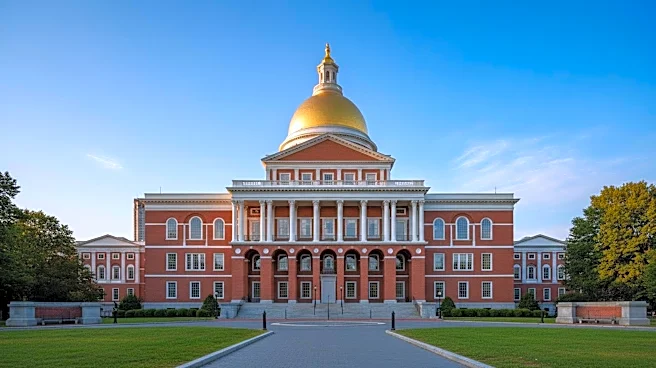
Governor Maura Healey signed 'An Act Regarding Free Expression' into law on August 10, aimed at preventing politically-motivated book removals from Massachusetts schools and public libraries. The legislation was inspired by a 2023 incident in North Attleborough
where a poetry anthology, 'Woke: A Young Poet’s Call to Justice,' was removed from an elementary school library following a single complaint. The new law establishes statewide standards for material selection and challenge responses, requiring a formal and transparent process before any materials can be removed. Decisions must be based on educational value and age appropriateness, not personal, political, or religious views. Challenged materials generally must remain available during review and cannot be removed without a local school committee vote, which includes public notice and an opportunity for community input. The law also protects librarians and school employees from professional discipline for good-faith material selection.
Why It's Important?
This legislation is significant for upholding intellectual freedom and the First Amendment in Massachusetts, particularly in educational and public institutions. It creates a standardized, transparent process for addressing challenges to library materials, aiming to prevent arbitrary or politically-motivated bans that could limit access to diverse ideas and information. The law empowers educators and librarians by protecting their professional judgment in curating collections, which is crucial for fostering critical thinking and a well-rounded education. Conversely, it sets clear boundaries for those seeking to remove books, ensuring that such actions are based on objective criteria rather than individual biases. The law also reflects a broader national debate over censorship and intellectual freedom in schools and libraries, positioning Massachusetts as a state actively legislating against such trends. The annual reporting requirement by the Massachusetts Board of Library Commissioners will provide valuable data on challenges across the state, offering insights into the ongoing landscape of intellectual freedom.
What's Next?
Following the signing of 'An Act Regarding Free Expression,' school districts and public libraries across Massachusetts will need to adopt written policies governing material selection and complaint handling, aligning with the new statewide standards. The Massachusetts Board of Library Commissioners is tasked with developing model policies and resources to assist these institutions in implementing the law. This will likely involve training for librarians, educators, and school committee members on the new procedures and criteria for evaluating challenged materials. Parents and community members will retain the right to challenge decisions in court if they believe the law's provisions are not being followed. The law's effectiveness will be monitored through annual reports from the Board of Library Commissioners, which will track challenges and removals statewide. This ongoing oversight will help ensure compliance and provide data for potential future adjustments to the legislation.
Beyond the Headlines
The new law in Massachusetts delves into the fundamental principles of intellectual freedom and the role of public institutions in shaping informed citizens. By mandating that material removal decisions be based on educational value and age appropriateness rather than personal or political views, the law implicitly addresses the ethical responsibility of libraries and schools to provide a broad spectrum of knowledge. It highlights the tension between parental rights to guide their children's education and the broader societal interest in protecting access to diverse perspectives. The protection offered to librarians and school employees underscores the professional integrity required in curating collections and resisting pressures that could lead to self-censorship. This legislation could serve as a model for other states grappling with similar issues, potentially influencing national conversations about censorship, education, and the preservation of democratic values in public spaces. It also raises questions about the long-term impact of such laws on the cultural and intellectual landscape of communities.