


What's Happening?
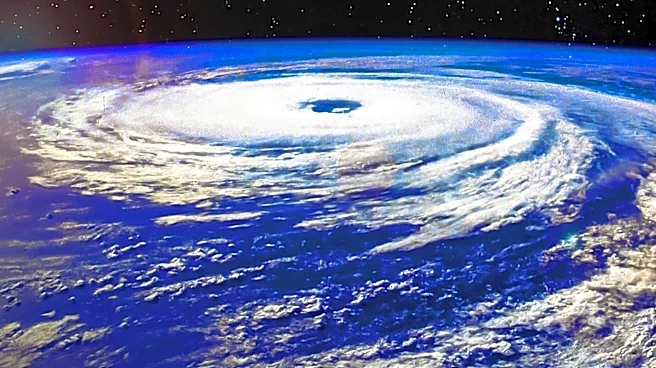
The World Meteorological Organization (WMO) has issued a warning about the intensification of the El Niño climate phenomenon, which is expected to bring higher global temperatures and significant shifts in rainfall patterns. According to the WMO, the El Niño event
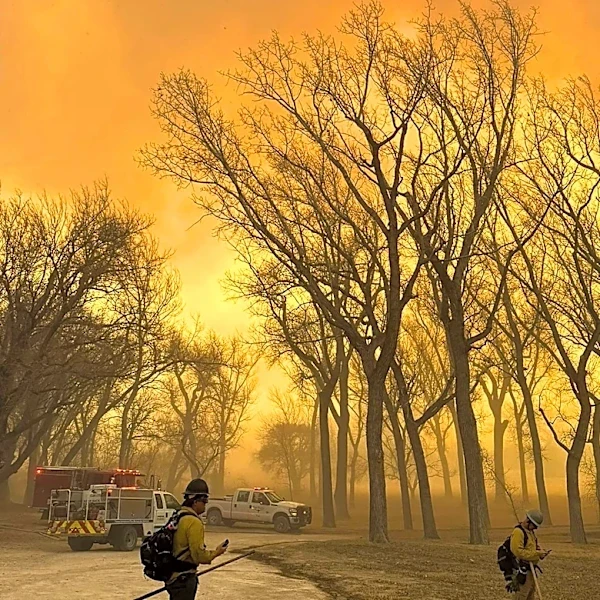
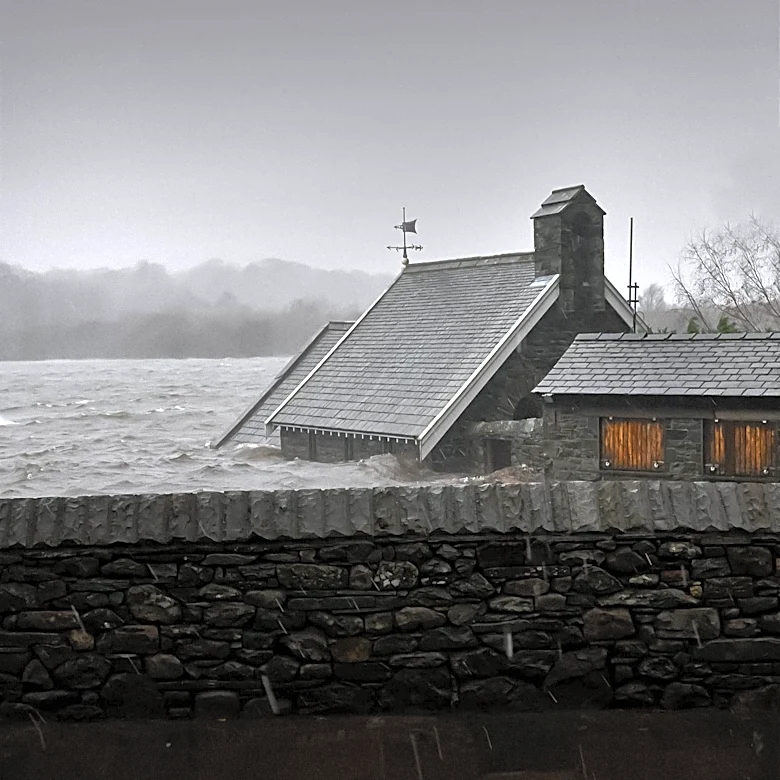
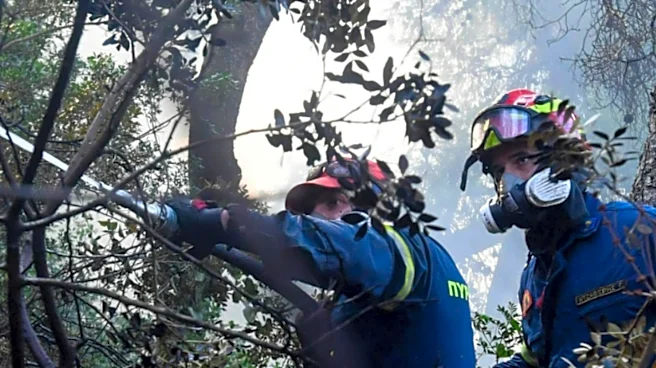
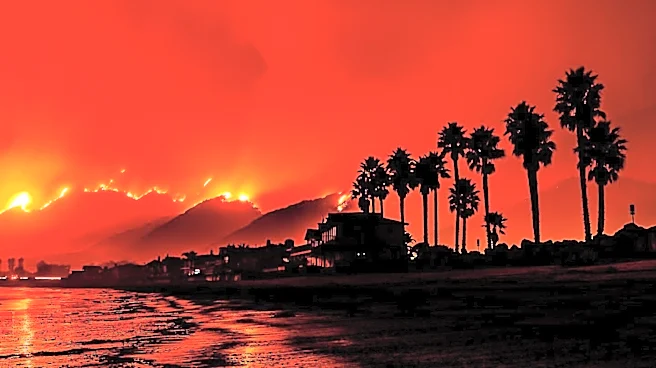
is developing against a backdrop of unprecedented ocean heat and rising temperatures, which could lead to increased risks of droughts, floods, and wildfires globally. The WMO's Global Seasonal Climate Update forecasts above-average temperatures across most land areas, with particularly strong warming expected in regions such as Africa, southern Europe, and the Arabian Peninsula. Rainfall patterns typical of a strong El Niño event are also anticipated, with wetter-than-normal conditions expected in areas like the Greater Horn of Africa and parts of Central Asia, while drier-than-normal conditions are forecast for the Indian subcontinent and southern Australia.
Why It's Important?
The intensification of El Niño has significant implications for global weather patterns, potentially exacerbating the impacts of climate change. The expected shifts in temperature and rainfall could affect agriculture, water resources, and disaster risk management, posing challenges for governments and communities worldwide. The WMO emphasizes the importance of preparing for these impacts, as forecasts alone do not prevent hazards. The phenomenon's development provides an opportunity for governments to anticipate risks and implement measures to mitigate the potential consequences. The situation underscores the need for coordinated efforts to address climate-related hazards and protect vulnerable populations.
What's Next?
As El Niño continues to strengthen, the WMO and its member states are working to ensure that reliable climate information reaches those most vulnerable to climate-related hazards. The organization is strengthening coordination across the United Nations system and with humanitarian partners by providing seasonal climate outlooks, technical briefings, and early warning support. These efforts aim to help countries prepare for the expected impacts on agriculture, health, water resources, and disaster risk management. The WMO's forecasts provide a window of opportunity for governments and communities to act before the impacts of El Niño unfold.