






What's Happening?
The International Civil Aviation Organization (ICAO) has conditionally approved credits from the Paris Agreement Crediting Mechanism (PACM) for its Carbon Offsetting and Reduction Scheme for International Aviation (CORSIA). This decision, reported on November
6, 2026, by trade press, expands the types of carbon credits airlines can use to offset their emissions. PACM is the UN carbon crediting system established under Article 6.4 of the Paris Agreement, replacing the Kyoto Protocol’s Clean Development Mechanism with stricter crediting rules. Its first credit issuance was approved in 2026 for a clean cooking activity. The conditions attached to PACM's approval for CORSIA have not yet been published by ICAO, which will determine when and how these credits can be utilized against airline obligations. This development follows Zambia's authorization on November 3, 2026, of its first cookstove credits for CORSIA, issued to clean cooking company BURN, covering the country's 2025-2030 climate target period. The voluntary carbon market remains relatively small, with buyers retiring 202 million tonnes of credits in 2025, representing less than 0.1% of global climate finance, according to MSCI.
Why It's Important?
This conditional approval by ICAO is significant for the U.S. and global aviation industry, as it broadens the options for airlines to meet their carbon offsetting requirements under CORSIA. For U.S. airlines, this could mean increased flexibility and potentially more cost-effective ways to comply with international emissions standards, depending on the specific conditions of PACM credit usage. The introduction of PACM, with its stricter crediting rules, aims to enhance the integrity and credibility of carbon offsets, which has been a concern in the voluntary carbon market. A Harvard Belfer Center brief from November 2, 2026, highlighted persistent quality problems in carbon credits and urged governments to reform them. If PACM credits prove to be more reliable, it could encourage greater investment in high-quality carbon reduction projects globally, including those that might involve U.S. companies or technologies. However, the market for voluntary carbon credits is still small, and the average price for credits remains low, indicating ongoing challenges in scaling up effective carbon offsetting mechanisms. The move also signals a potential shift towards more regulated and verifiable carbon markets, which could influence future U.S. climate policy and corporate sustainability strategies.
What's Next?
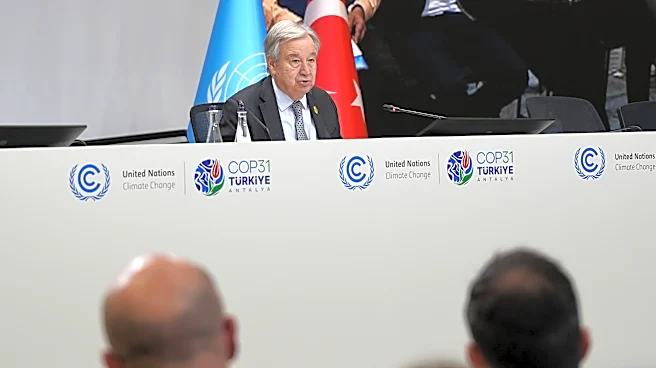
The immediate next step involves ICAO publishing the specific conditions for PACM credit usage within CORSIA. These conditions will be crucial in determining the practical implications for airlines and project developers. European airlines, for instance, may be required to limit eligible CORSIA second-phase credits to PACM credits, as suggested by a draft Commission note. This could create a precedent for other regions, including the U.S., to prioritize PACM-approved credits. Project developers will likely focus on aligning their initiatives with PACM's stricter rules to ensure their credits are eligible for the aviation market. The Integrity Council for the Voluntary Carbon Market (ICVCM) continues to award Core Carbon Principles (CCP) labels to approved programs, which could become a benchmark for quality. As airlines must surrender offsets for their 2024-2026 emissions by January 2028, the demand for high-quality, approved carbon credits is expected to increase, potentially impacting market prices and the types of projects that receive funding. Ongoing discussions at international climate conferences like COP31 will also continue to shape the future of carbon markets and their integration into global climate action.
Beyond the Headlines
The conditional approval of PACM credits for CORSIA reflects a broader global effort to refine and legitimize carbon markets as a tool for climate action. The shift towards stricter crediting rules and oversight by a UN Supervisory Body addresses long-standing criticisms regarding the environmental integrity and potential for 'greenwashing' in voluntary carbon markets. This development could foster greater trust among corporate buyers, including U.S. companies, who are increasingly under pressure to demonstrate genuine emissions reductions. However, the challenge remains in ensuring that these mechanisms genuinely lead to additional and verifiable carbon reductions, rather than simply shifting emissions or creating perverse incentives. The emphasis on host-country authorization, as seen with Zambia's action, is critical to prevent double-counting of emissions reductions and ensure that projects align with national climate targets. The long-term success of PACM and similar initiatives will depend on their ability to attract significant investment into high-integrity projects that deliver tangible environmental and social benefits, moving beyond a purely transactional view of carbon offsetting to a more holistic approach to sustainable development.