


What's Happening?
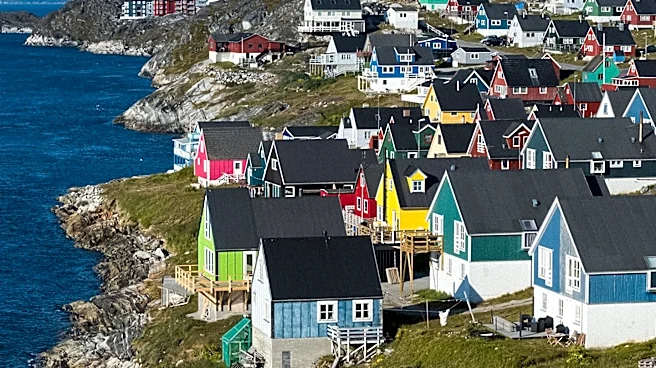
Greenland is undergoing rapid and unsettling climate changes, with the island warming three to four times faster than the global average. Southern Greenland, often referred to as a 'paradise' by locals, is experiencing extreme weather phenomena previously
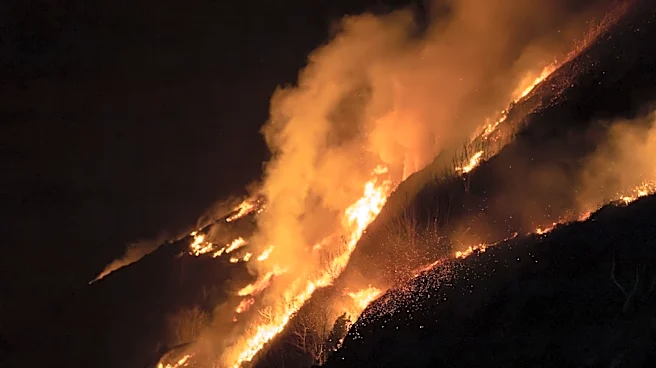
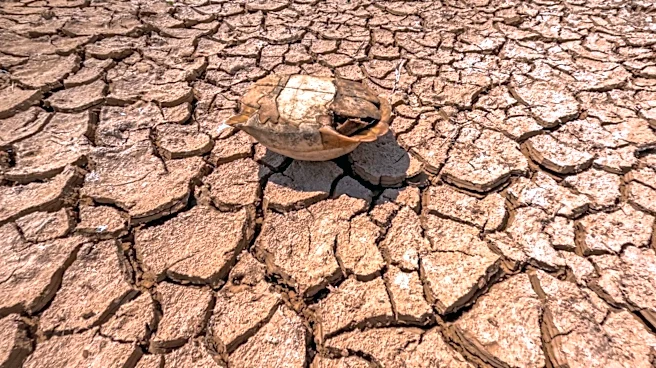
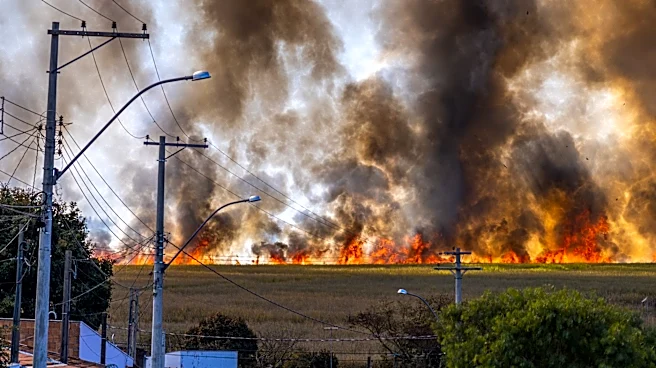
uncommon in the region. This includes an increase in thunderstorms, which were historically almost unheard of, causing panic among local livestock like horses unaccustomed to such events. Additionally, the region is facing severe droughts, leading to early and more frequent wildfires in the tundra and peat, which release significant amounts of carbon and further accelerate climate change. Between 2008 and 2020, 21 wildfires were recorded, compared to none from 1995 to 2007. While summer temperatures can reach up to 22°C (72°F), the increasing frequency of these warm spells and the shift towards more extreme dry and wet periods are concerning for the local population, particularly farmers who rely on stable weather for their livelihoods and livestock.
Why It's Important?
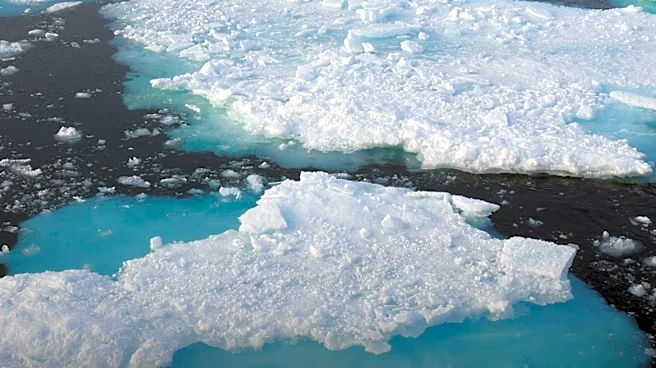
The dramatic climate shifts in Greenland have significant implications beyond its borders, serving as a stark indicator of accelerated global warming. The increased melting of Greenland's ice sheet, which lost 38% more ice between 2011 and 2020 than in the previous decade, contributes directly to rising sea levels worldwide, threatening coastal communities and ecosystems. The release of vast amounts of carbon from burning Arctic tundra peat further exacerbates the global climate crisis, creating a feedback loop that intensifies warming. For the U.S., these changes could mean more frequent and intense weather events, as well as long-term environmental and economic challenges related to sea-level rise and climate migration. The experiences of Greenland's local communities, particularly the Inuit, offer critical insights into adapting to and mitigating the impacts of rapid environmental transformation, highlighting the urgent need for international cooperation on climate action.
What's Next?
The ongoing climate changes in Greenland are expected to continue, with projections indicating more pronounced swings between extremely dry and very wet periods in southwest Greenland. This will likely lead to further challenges for local agriculture and an increased risk of wildfires. Scientific studies are confirming the rise in thunderstorms and lightning, suggesting that as the region warms, atmospheric convection will make such events more common. Researchers will continue to monitor these changes, particularly the impact on the island's ice, animals, and plants. The long-term implications include potential shifts in ecosystems and traditional ways of life for indigenous communities. The data collected from Greenland will be crucial for refining global climate models and informing international climate policies, as the region acts as a bellwether for the broader impacts of climate change.
Beyond the Headlines
The changes in Greenland underscore the profound and often unexpected ways climate change is reshaping the planet. The emergence of thunderstorms in polar regions, where they were once absent, challenges long-held meteorological assumptions and highlights the rapid alteration of atmospheric conditions. The burning of tundra peat, a carbon sink, represents a critical feedback loop, turning a natural carbon reservoir into a source of emissions, which could accelerate warming beyond current projections. This situation also brings to light the ethical dimensions of climate change, as indigenous communities, who have contributed least to global emissions, are often the first and most severely impacted. The shift in Greenland's weather patterns to resemble those of Europe suggests a broader homogenization of global climates, potentially leading to a loss of unique regional characteristics and biodiversity. The struggle of local farmers with drought and the panic of animals unaccustomed to thunder serve as poignant reminders of the direct and personal consequences of a changing climate.