








What's Happening?
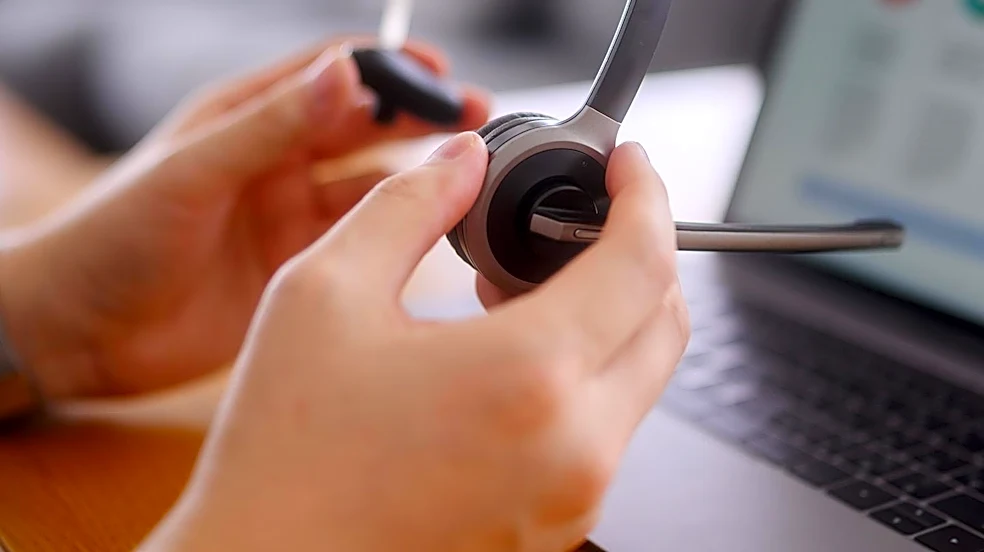
Apria, a healthcare services provider, is actively recruiting remote Sleep Coaches to support patients undergoing CPAP therapy. These coaches will provide personalized guidance, education, and support to patients during their initial year of treatment.
The role involves proactive outreach, conducting inbound and outbound calls to coach patients, and helping them identify and overcome barriers to consistent therapy use. Sleep Coaches will review patient usage data from manufacturer software to inform data-driven conversations, educate patients on obstructive sleep apnea (OSA) and therapy benefits, and offer basic troubleshooting for PAP and mask equipment. Additionally, coaches will encourage patients to utilize manufacturer mobile applications, educate them on insurance requirements, equipment cleaning, and future resupply needs, and accurately document all patient interactions. This remote position emphasizes patient-focused care, independent work, and collaborative team engagement.
Why It's Important?
The recruitment of Sleep Coaches by Apria highlights a growing recognition within the healthcare industry of the critical role personalized support plays in patient adherence to complex medical therapies like CPAP. Poor adherence to CPAP therapy for OSA can lead to significant health complications, including increased risk of cardiovascular disease, stroke, and impaired quality of life. By providing dedicated coaching, Apria aims to improve patient outcomes, reduce healthcare costs associated with untreated or poorly managed OSA, and enhance overall patient satisfaction. This initiative also reflects a broader trend in healthcare towards remote patient monitoring and telehealth services, making specialized support more accessible to patients across different geographical locations. The focus on data-driven coaching underscores the importance of leveraging technology to tailor interventions and improve treatment effectiveness.
What's Next?
Apria will continue to onboard and train qualified individuals for these remote Sleep Coach positions, expanding its capacity to support CPAP patients nationwide. The success of this program will likely be measured by improved patient adherence rates, reduced therapy discontinuation, and positive patient feedback. As more patients receive personalized coaching, there may be a noticeable impact on public health metrics related to sleep apnea management. Other healthcare providers and medical equipment companies may observe Apria's model and potentially adopt similar coaching programs to enhance patient engagement and therapy outcomes for various chronic conditions. The demand for skilled sleep coaches, both remote and in-person, is expected to grow as awareness of sleep health and the benefits of personalized interventions increase.
Beyond the Headlines
This development points to a significant shift in how chronic conditions are managed, moving beyond mere provision of equipment to comprehensive, ongoing patient support. The emphasis on behavioral change, education, and problem-solving by Sleep Coaches addresses the psychological and practical challenges patients face in integrating therapy into their daily lives. This model could serve as a blueprint for managing other long-term conditions where patient compliance is crucial but often difficult to maintain. Furthermore, the remote nature of these roles expands employment opportunities for healthcare professionals, offering flexibility and potentially reaching a more diverse talent pool. It also raises questions about the evolving role of technology in healthcare, as coaches rely on manufacturer software and mobile applications to monitor progress and deliver interventions, blurring the lines between traditional clinical care and digital health solutions.