
What's Happening?
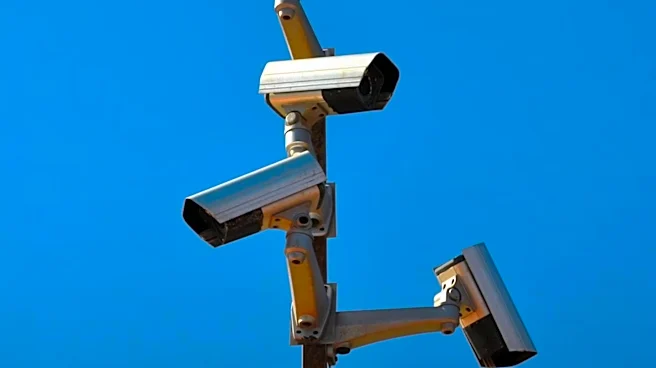
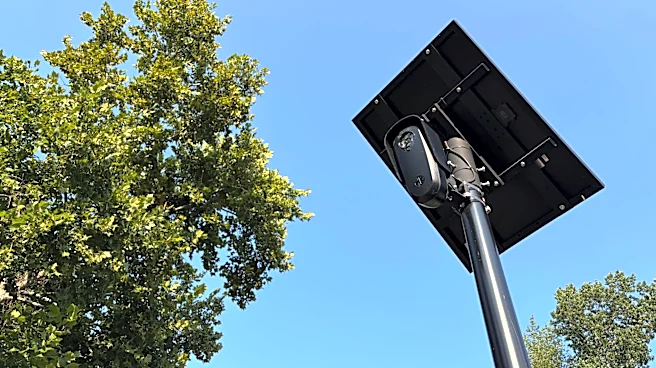
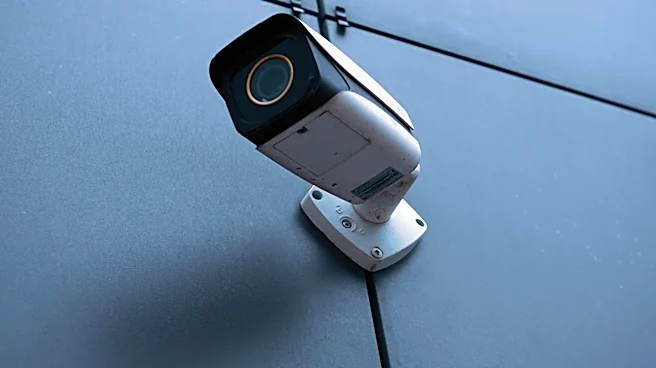
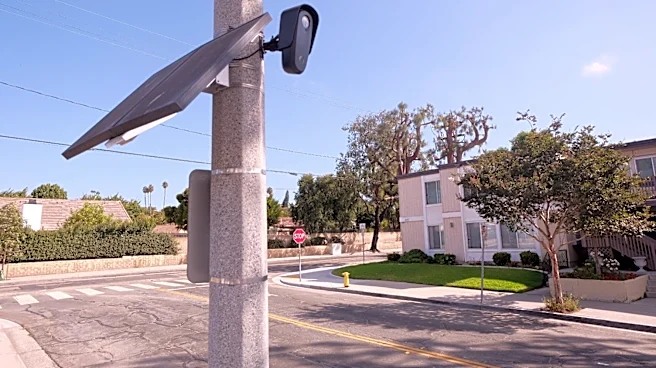
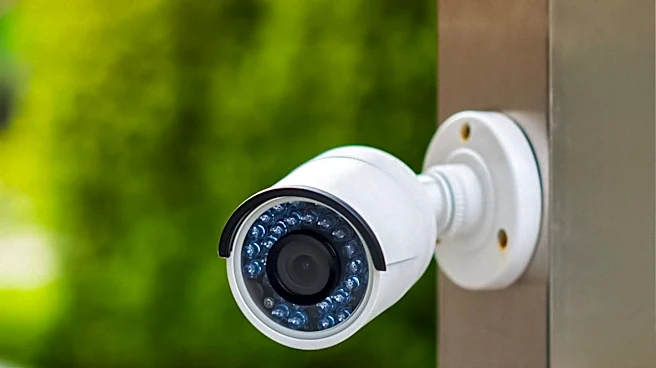
The Rialto Police Department's use of private security cameras was featured on HBO's 'Last Week Tonight With John Oliver.' The episode, aired on August 2, 2026, highlighted the department's policy requiring new businesses to provide police access to their
security cameras to obtain a permit. John Oliver criticized this policy, suggesting it adds unnecessary burdens on small business owners. The segment also discussed the department's relationship with Fusus, a company that facilitates the sharing of private camera footage with law enforcement. Rialto police spokesperson Capt. Lamont Quarker defended the department's practices, stating that the technology helps in crime prevention and response. He emphasized that participation in the Fusus program is voluntary and that the department educates business owners on the benefits of the program.
Why It's Important?
The segment on 'Last Week Tonight' brings national attention to the growing debate over police surveillance and privacy rights. The use of private security cameras by law enforcement raises concerns about civil liberties and the potential for overreach. Businesses may feel pressured to comply with police requests, impacting their operations and customer trust. The criticism from a high-profile platform like John Oliver's show could influence public opinion and policy discussions around surveillance technology. It highlights the need for transparency and clear guidelines to balance public safety with individual privacy rights.
What's Next?
Rialto officials are considering changes to the current policy, potentially making discussions about the Fusus program's benefits mandatory rather than requiring camera access. This could alleviate some concerns from business owners while maintaining public safety measures. The ongoing public discourse may prompt other cities to reevaluate their surveillance policies. Stakeholders, including civil rights groups and business associations, are likely to engage in discussions to ensure that privacy rights are protected while addressing security needs.