







What's Happening?
Lorain County's rideshare service, Via LC, is facing an uncertain future as county leaders consider discontinuing the program due to funding challenges. The service, which has been operating for two years, provides on-demand shared rides and microtransit,
serving approximately 16,000 unique riders with over 272,000 rides since its inception. Federal funding and local matches have historically covered the operational costs, with riders paying a subsidized fare of $1-2 per ride, comparable to bus fares. The county is currently holding a series of public meetings to discuss the program's future, where riders, drivers, and community representatives are advocating for its continuation. Lorain County Commissioner Jeff Riddell stated that while commissioners are committed to Via as a transportation option, it requires support from the communities it serves. The county has asked Lorain and Elyria to double their annual contributions to $500,000 for a two-year agreement, a request that surprised city leaders.
Why It's Important?
The potential discontinuation of Via LC poses a significant threat to the mobility and economic well-being of many residents in Lorain County, particularly those who rely on the service for essential travel. Riders like Pamela McAfee emphasize that without Via transit, they would be unable to get to work, doctor's appointments, or access food. This highlights the critical role such microtransit services play in bridging transportation gaps, especially in areas where fixed-route systems are infrequent. The funding crisis also underscores broader challenges faced by public transportation initiatives that depend on a mix of federal and local support. The outcome in Lorain County could set a precedent for how similar on-demand public transportation services are funded and sustained in other U.S. communities, impacting access to employment, healthcare, and education for vulnerable populations.
What's Next?
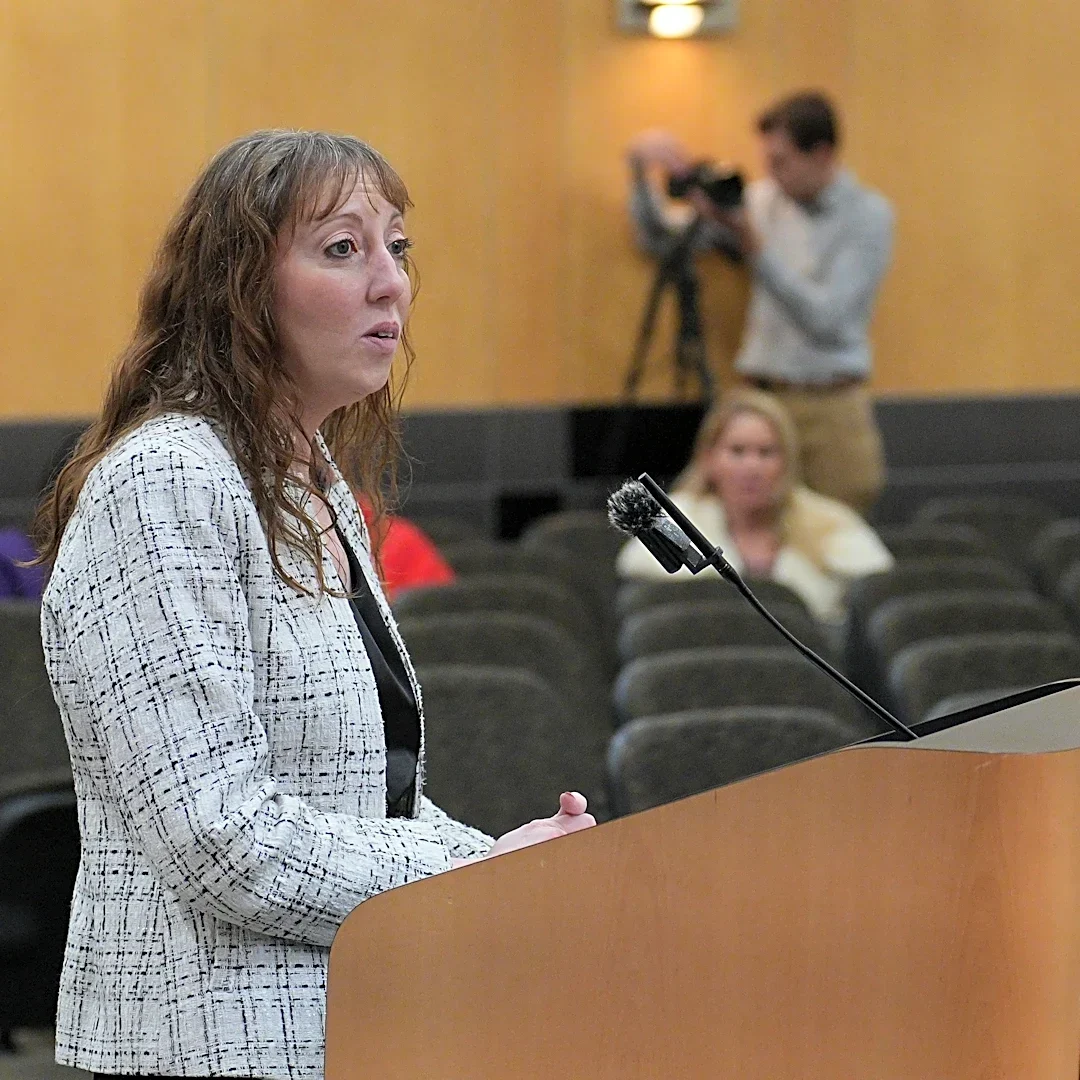
Lorain County plans to continue offering Via LC through 2027 while actively seeking grants and other funding sources to ensure its long-term viability. Public discussions, such as the recent meeting at the Lorain County Transportation and Community Center, are ongoing, with another meeting scheduled for October 21. During these meetings, attendees have proposed various solutions, including private-public funding strategies, a transportation levy, increased fares, and reallocating funds from other Lorain County Transit services. Lorain Mayor Jack Bradley indicated that his city plans to use grant funding to pilot its own dedicated bus routes starting in 2027 and may not continue participating in Via LC. Elyria Mayor Kevin Brubaker is scheduled to meet with the county's transportation director and Commissioner Moore to discuss options for continuing Via LC in Elyria. The immediate future of Via LC hinges on the ability of county and city leaders to secure sustainable funding and agree on a collaborative path forward.
Beyond the Headlines
The debate surrounding Via LC's funding extends beyond mere budgetary concerns, touching upon fundamental questions of public service, equity, and the evolving landscape of urban mobility. The success of Via LC, evidenced by its high ridership, demonstrates a clear demand for flexible, on-demand transportation solutions that traditional fixed-route systems often cannot meet. The challenge of securing consistent funding for such innovative services reveals a systemic issue in how public transportation is valued and supported at local and federal levels. If Via LC is discontinued, it could exacerbate transportation inequities, particularly for low-income individuals and those without personal vehicles, potentially limiting their access to opportunities and essential services. Conversely, if a sustainable funding model is found, it could serve as a blueprint for other communities looking to implement or maintain similar vital microtransit programs, highlighting the importance of adaptable and community-responsive public transit.