


What's Happening?
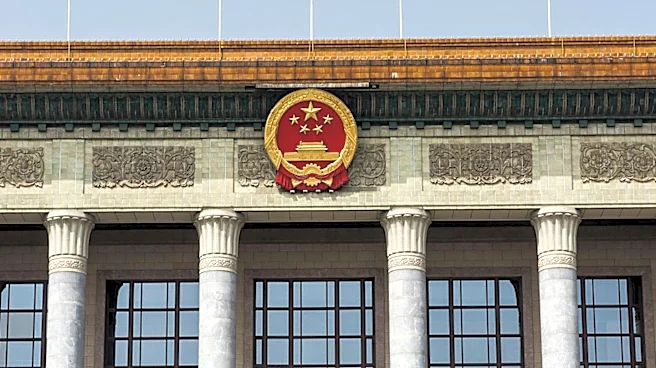
China has emerged as a principal strategic challenger to the United States, driven by its remarkable economic transformation over the past four decades. The country has invested heavily in manufacturing, infrastructure, education, science, technology,
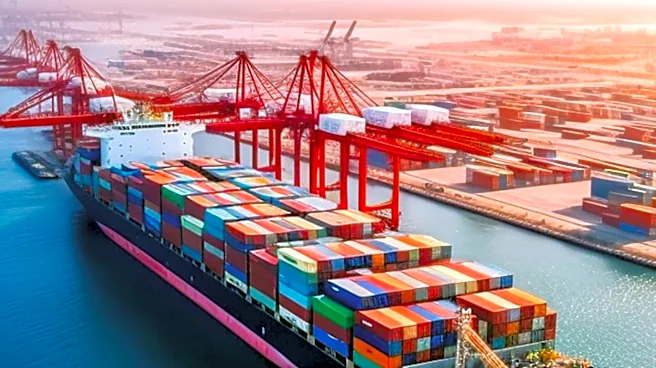
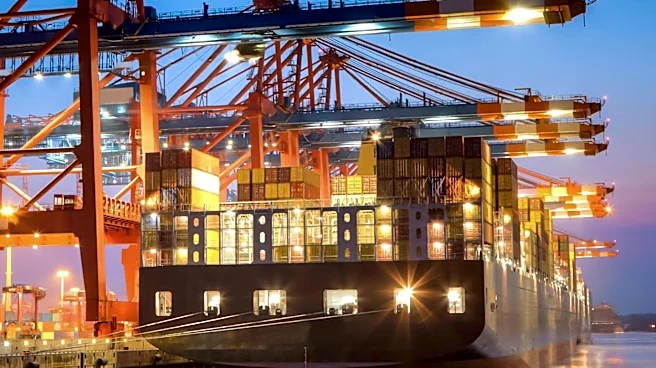
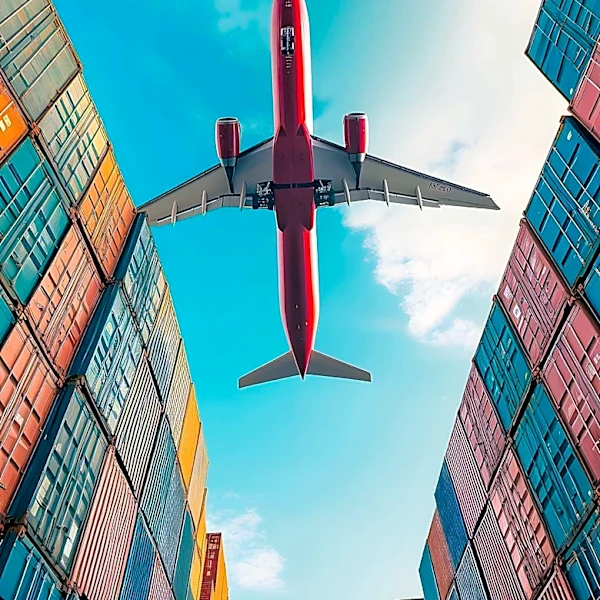
and global trade, creating a robust economic foundation. China's economy has expanded at an average annual rate of about 9% for over three decades, lifting millions out of poverty and making it the world's largest manufacturing nation. The Belt and Road Initiative (BRI) has further expanded China's international influence by strengthening connectivity through infrastructure projects across Asia, Africa, Latin America, and Europe.
Why It's Important?
China's rise as an economic powerhouse challenges the US's global dominance and reshapes the international balance of power. Its leadership in manufacturing, technology, and renewable energy positions it as a key player in industries critical to future economic growth. China's extensive trade relationships create economic interdependence, providing it with influence that extends beyond military power. This shift has significant implications for global trade, economic policies, and geopolitical strategies, as countries navigate their relationships with both China and the US.
What's Next?
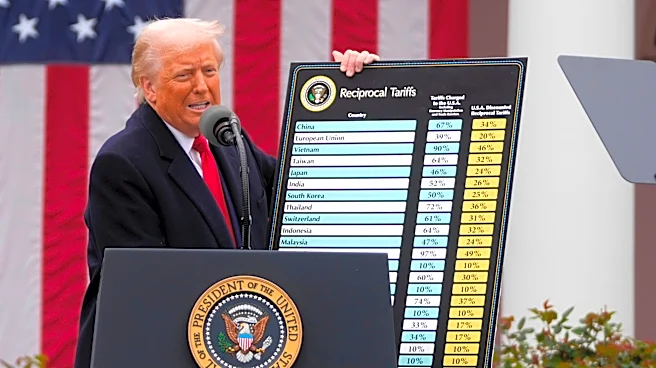
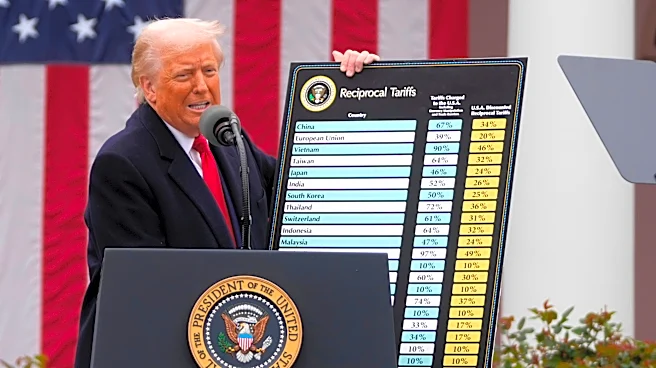
The US may need to reassess its economic and geopolitical strategies to address China's growing influence. This could involve implementing tariffs, export controls, and strengthening alliances in the Indo-Pacific region. The US's response will be crucial in determining the future of global economic and political dynamics. As China continues to expand its influence, countries worldwide will need to balance their economic interests with strategic considerations, potentially leading to shifts in alliances and trade policies.