





What's Happening?
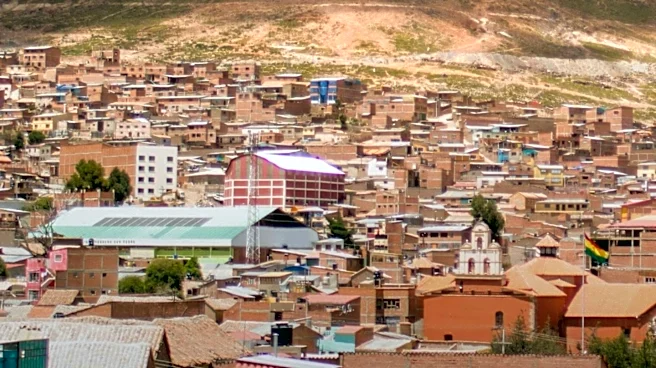
In Latin America, Bolivia's parliamentary committee has approved two bills aimed at regulating carbon markets and establishing a national climate finance framework, accelerating its regulatory agenda. Simultaneously, Argentina's Senate has approved a bill to create
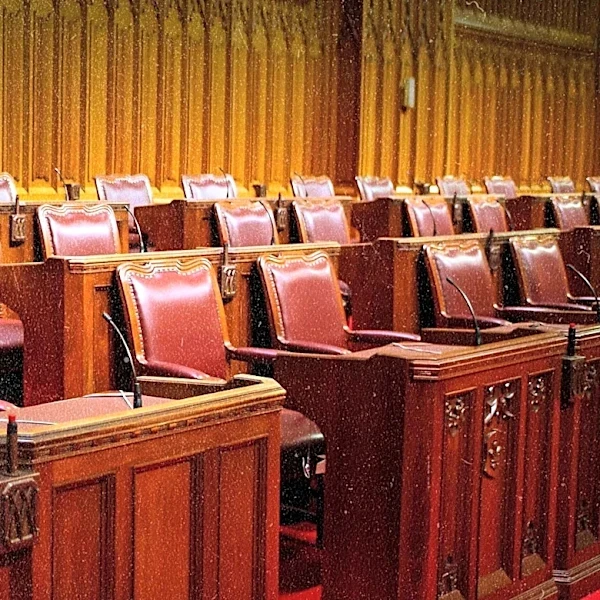
a national regulatory framework for carbon markets, following months of political debate over carbon credit ownership. Meanwhile, Peru plans to showcase its progress on international carbon market cooperation with three buyer countries at COP31 in Antalya and will join the steering committee of a significant tropical forest finance initiative. These developments underscore a growing regional focus on leveraging carbon markets to achieve climate targets and mobilize finance.
Why It's Important?
These regulatory advancements in Bolivia and Argentina, alongside Peru's international cooperation efforts, are significant for the global carbon market landscape, including potential implications for U.S. climate policy and investment. As more countries establish clear frameworks for carbon markets, it creates a more predictable and investable environment for international participants, including U.S. companies and investors seeking to engage in carbon offsetting or climate finance. The resolution of disputes over carbon credit ownership, as seen in Argentina, is crucial for market integrity and investor confidence. For the U.S., these developments could open new avenues for collaboration on climate initiatives, facilitate the import of high-integrity carbon credits, and contribute to broader global efforts to reduce emissions, impacting industries involved in renewable energy, sustainable land use, and climate technology.
What's Next?
Bolivia's new bills are expected to accelerate the implementation of detailed carbon market rules, potentially by mid-2027, creating new opportunities for carbon projects within the country. Argentina's approved bill will establish a national framework, which will likely lead to the development of specific regulations and market mechanisms. Peru's participation and planned announcements at COP31 will highlight its commitment to international carbon market cooperation, potentially attracting further investment and partnerships. These actions suggest a trend towards increased regulatory clarity and market activity in the region, which could lead to a more robust and interconnected global carbon market. The focus on tropical forest finance initiatives also indicates a growing emphasis on nature-based solutions for climate mitigation.
Beyond the Headlines
The regulatory progress in these Latin American countries reflects a broader global trend towards integrating carbon markets into national climate strategies. However, the political disputes over carbon credit ownership, as experienced in Argentina, highlight the complex governance challenges inherent in these markets, particularly concerning the distribution of benefits and rights among different stakeholders, including provincial governments and landowners. The involvement of Peru in tropical forest finance initiatives also brings to the forefront the critical role of indigenous communities and local populations in conservation efforts, raising questions about equitable benefit-sharing and the protection of land rights. These developments underscore the need for robust and inclusive governance structures to ensure that carbon markets contribute to both environmental integrity and social justice.