






What's Happening?
Iranian hacking campaigns have intensified against US critical infrastructure sectors, including government services, water systems, and energy facilities. According to a joint advisory from US cybersecurity, law enforcement, and intelligence agencies,
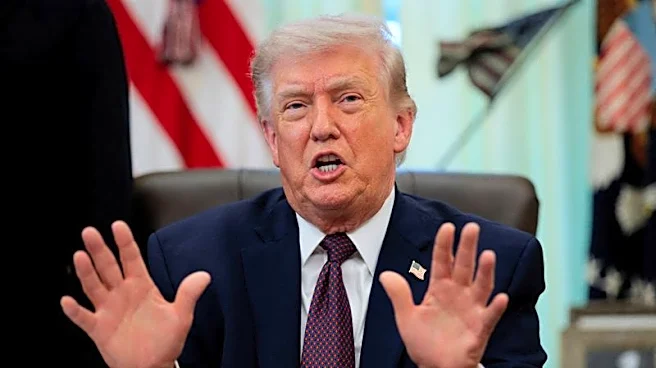
these hackers are targeting programmable logic controllers and supervisory control and data acquisition displays. The aim is to cause disruptive effects within the United States, with some activities already resulting in operational disruptions and financial losses. This escalation coincides with heightened tensions between the US and Iran, as President Trump warned of severe consequences if Iran does not reach a deal with the US.
Why It's Important?
The increased cyberattacks on US infrastructure highlight the vulnerabilities in critical sectors and the potential for significant disruptions. These attacks could lead to severe economic and operational impacts, affecting public services and national security. The situation underscores the need for enhanced cybersecurity measures and international cooperation to mitigate such threats. The ongoing hostilities between the US and Iran further complicate diplomatic relations and could lead to broader geopolitical instability.
What's Next?
In response to these cyber threats, US agencies may increase their cybersecurity defenses and collaborate with international partners to address the vulnerabilities. There could be heightened diplomatic efforts to de-escalate tensions with Iran, potentially involving negotiations or sanctions. The private sector, particularly companies operating critical infrastructure, may also be prompted to strengthen their cybersecurity protocols to prevent further disruptions.