


What's Happening?
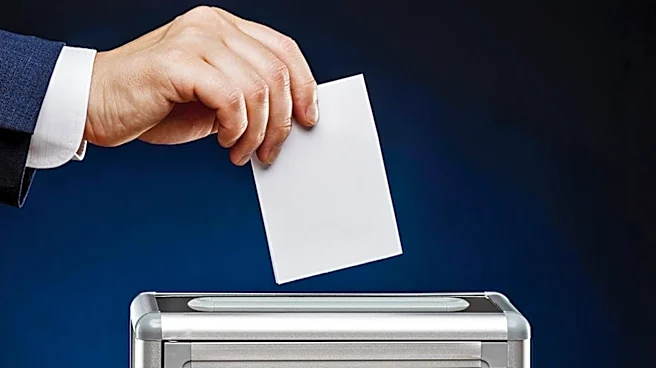
Median Strategies, a previously unknown organization, admitted to fabricating election poll results across three U.S. states. The company claimed these polls were part of a 'short-term social experiment' to examine how unverified polling information spreads
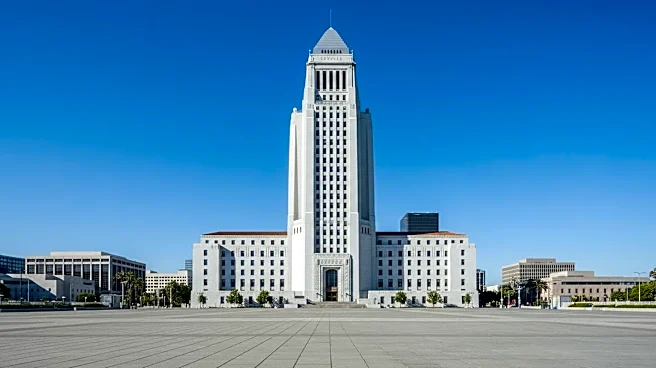
within the political information ecosystem. The fake polls included a Los Angeles mayoral race survey, which incumbent Democrat Karen Bass's campaign shared on social media, and surveys for the Democratic primary for governor in Wisconsin and the gubernatorial race in Nevada. Median Strategies has since shuttered its website and withdrawn all previously published polling releases, stating they should not be treated as genuine data. The company offered no explanation for who was behind the 'experiment' or its purpose, and did not respond to inquiries from the Associated Press.
Why It's Important?
This incident highlights the significant dangers of unvetted election surveys and the ease with which fabricated data can enter and spread through political discourse. In an environment where numerous surveys are produced by various groups with undisclosed or questionable methodologies, distinguishing reliable polls from misleading ones becomes increasingly difficult. The amplification of such fake data by campaigns, even inadvertently, can influence public perception, voter behavior, and even prediction markets, as seen with the slight shifts in Kalshi and Polymarket after Bass's campaign shared the false Los Angeles poll. This erosion of trust in polling data can undermine the integrity of the electoral process and make it harder for the public to make informed decisions.
What's Next?
The incident is likely to prompt increased scrutiny of polling methodologies and calls for greater transparency from organizations releasing election data. Campaigns and media outlets may become more cautious about sharing or reporting on polls from unknown or unverified sources. There could be discussions among polling aggregators and news organizations about establishing stricter vetting processes for including poll results in their databases. The Los Angeles mayoral campaign spokesman, Alex Stack, has stated that 'any bad faith attempts to influence elections should be investigated and prosecuted to the fullest extent of the law,' suggesting potential legal or regulatory responses to such deceptive practices in the future.
Beyond the Headlines
The 'social experiment' conducted by Median Strategies exposes a deeper vulnerability in the digital information age: the ease of manufacturing and disseminating misinformation, particularly in politically charged environments. This goes beyond mere inaccurate polling; it represents a deliberate act of deception designed to manipulate public perception and test the resilience of information gatekeepers. The incident raises ethical questions about the responsibility of entities to verify information before sharing it, and the potential for anonymous actors to exploit the political information ecosystem for undisclosed motives. It also underscores the challenge for the public to discern truth from fabrication in an increasingly complex media landscape, potentially leading to greater cynicism towards political information sources.