






What's Happening?
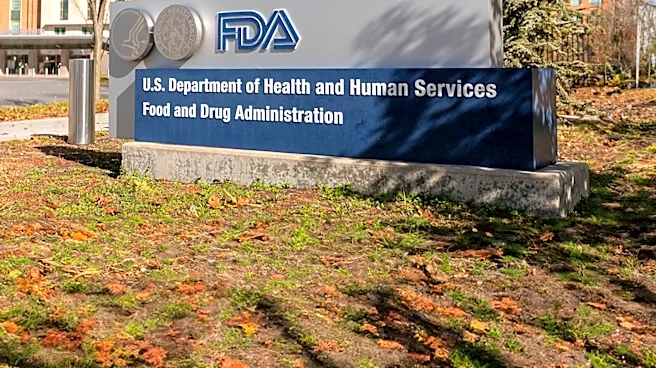
In November 2024, the U.S. Food and Drug Administration (FDA) authorized the marketing of the Valeda Light Delivery System for individuals with dry age-related macular degeneration (AMD). This device, which utilizes red light therapy (also known as photobiomodulation
therapy or PBM), is administered in an eye specialist's office. Research suggests that PBM, involving brief, low-intensity exposures to specific wavelengths of red and near-infrared light, may help improve energy production in photoreceptors, reduce oxidative damage, and lower activity in the complement system, all factors contributing to AMD. The LIGHTSITE III trial, a key study, showed that patients receiving red light therapy gained an average of 5.4 letters on an eye chart after 13 months, compared to three letters in the placebo group. After 21 months, the gain increased to 6.2 letters. The trial also indicated that PBM might slow drusen deposit growth and prevent progression to geographic atrophy, an advanced stage of dry AMD.
Why It's Important?
The FDA's authorization of the Valeda Light Delivery System marks a significant development for the treatment of dry AMD, a leading cause of vision loss among older Americans. This non-invasive therapy offers a new option for patients, potentially slowing disease progression and improving visual acuity. The availability of an FDA-authorized device could lead to wider adoption and accessibility of red light therapy for AMD patients. However, the long-term efficacy and safety beyond two years are still under investigation, and insurance coverage for PBM treatments is not yet standardized, potentially creating financial barriers for some patients. The authorization also highlights the importance of consulting eye care providers before using any light-based devices, especially given a reported case of vision loss and retinal damage from an unauthorized home device.
What's Next?
Further research is needed to determine the long-term effects of red light therapy for AMD, including how long the benefits last and the optimal duration of treatment. Researchers also aim to identify which AMD patients are most likely to benefit from this therapy, as current studies primarily focus on early to intermediate dry AMD. The issue of insurance coverage will likely be a critical factor in the widespread adoption of the Valeda system, as Medicare currently does not cover PBM visits. Patients interested in this treatment will need to consult with their ophthalmologists to assess its suitability for their condition and to understand the associated costs and potential for insurance coverage. The availability of practices offering the Valeda PBM will also expand as the treatment gains traction.
Beyond the Headlines
The emergence of red light therapy for dry AMD underscores a broader trend in medical innovation, focusing on non-invasive, light-based treatments for various conditions. This technology, known as photobiomodulation, is also being explored for other health issues such as fibromyalgia, hair regrowth, spinal cord repair, and traumatic brain injury. The FDA's authorization of the Valeda system could pave the way for more rigorous research and development in this field, potentially leading to new therapeutic applications. However, it also highlights the ongoing challenge of regulating and ensuring the safety of medical devices, particularly with the proliferation of unauthorized home-use devices. The emphasis on professional medical oversight for red light therapy for AMD reinforces the need for patient education and caution regarding unverified treatments.