


What's Happening?
Negotiations for a global plastics treaty are currently at a standstill, primarily due to opposition from a few oil-producing nations and extensive lobbying efforts by the fossil fuel and chemical industries. The Environmental Justice Foundation (EJF)
reports that at the latest round of talks, industry lobbyists outnumbered the combined delegations of the European Union and its 27 member states. Despite 145 countries supporting provisions to reduce plastic production in the draft treaty, progress has been hampered. EJF emphasizes that plastic production is a significant contributor to climate change, generating emissions equivalent to more than two billion tonnes of CO2 annually, which is double the aviation sector's emissions. The organization urges governments to recognize plastic production as a major climate issue and integrate it into UN climate processes, advocating for legally binding targets to cut production, such as the Rwanda and Peru proposal for a 40% reduction by 2040.
Why It's Important?
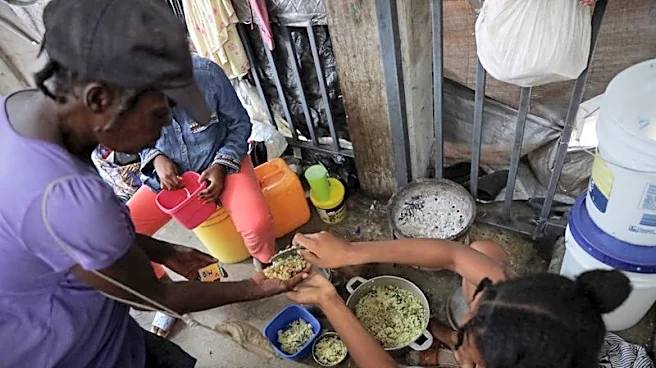
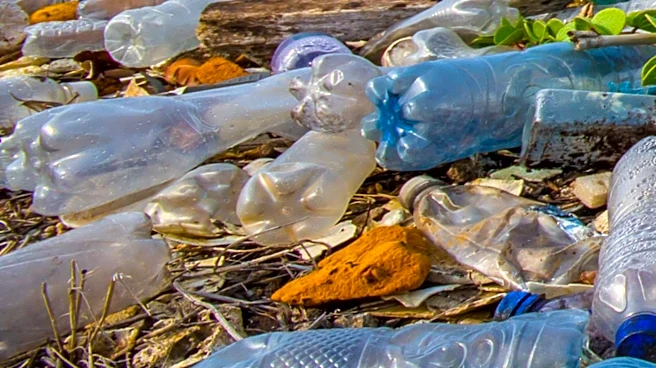
The stalled negotiations have significant implications for global climate goals and environmental health. Plastic production is deeply intertwined with the fossil fuel industry, serving as a hedge against declining oil demand as the world electrifies. This means continued expansion of plastic production locks in decades of fossil fuel use and emissions, making it harder to meet climate targets like the Paris Agreement's 1.5°C limit. The lack of a robust, legally binding treaty allows for unchecked growth in plastic pollution, which not only contributes to greenhouse gas emissions but also harms marine ecosystems through microplastics that impair the ocean's carbon absorption capabilities. Without strong international action, the economic and environmental costs associated with plastic pollution will continue to escalate, disproportionately affecting vulnerable communities in the Global South.
What's Next?
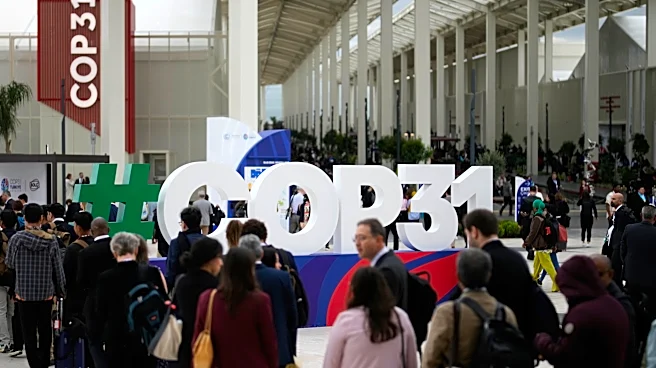
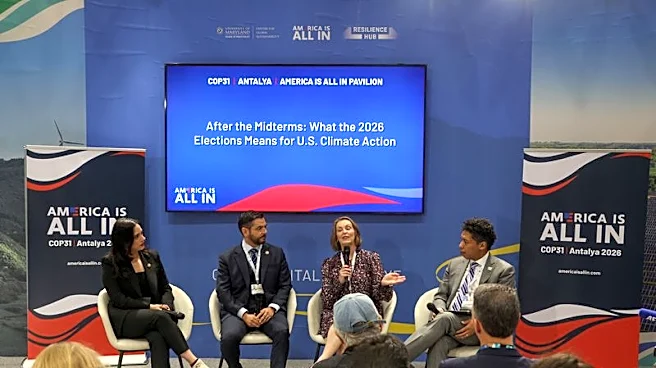
The Environmental Justice Foundation is calling on governments to address plastic production at COP31, urging them to recognize it as a major cause of climate change within the UN climate process. They advocate for the inclusion of plastic reduction measures in national climate plans, an end to harmful subsidies for the petrochemical industry, and the establishment of strict conflict-of-interest rules to protect treaty negotiations from industry interference. The hope is that COP31 will serve as a critical moment for governments to demonstrate political will and leadership to break the current deadlock. Future discussions will likely focus on overcoming resistance from oil-producing states and countering industry lobbying to establish a treaty with concrete, measurable targets for reducing plastic production and consumption.
Beyond the Headlines
The ongoing struggle to establish a global plastics treaty highlights a broader conflict between economic interests and environmental imperatives. The fossil fuel industry's pivot to plastics as a long-term revenue stream underscores the systemic challenges in transitioning to a sustainable economy. This situation also brings to light the ethical dimensions of corporate influence on international policy, as industry lobbyists actively work to shape regulations that could impact their profits. The failure to secure a strong treaty could perpetuate environmental injustices, as the burden of plastic pollution often falls on communities with fewer resources. Ultimately, the outcome of these negotiations will be a significant indicator of the international community's commitment to addressing complex environmental crises that require systemic change rather than piecemeal solutions.