







What's Happening?
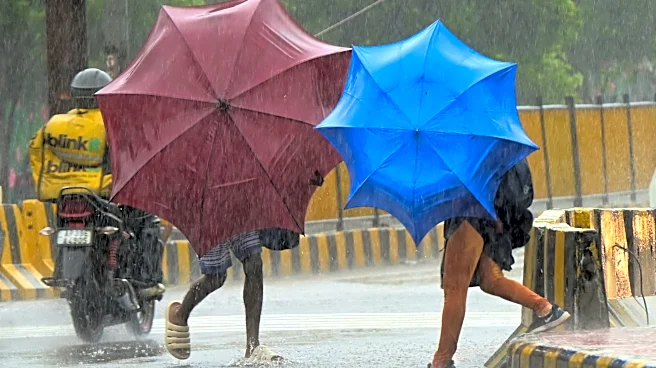
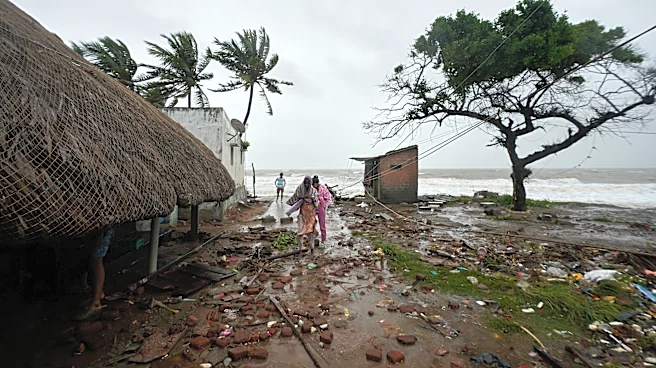
Indian authorities have initiated evacuations in coastal areas as Cyclone Arnab is set to make landfall on the country's eastern shoreline. The cyclone is anticipated to bring strong winds, heavy rainfall, and widespread flooding. Emergency response teams
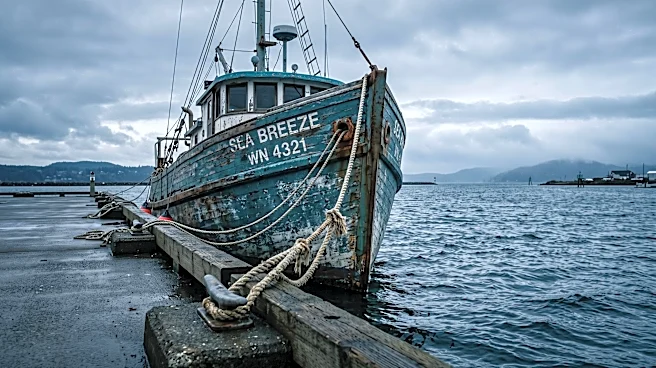
have been deployed to the projected impact zones, and residents in low-lying and coastal communities are being relocated to shelters. Fishing activities have been suspended, and vessels have been advised to remain in port due to worsening sea conditions. Officials are closely monitoring the cyclone's trajectory and have issued warnings about potential flash floods, waterlogging, and landslides. Schools and other public facilities in at-risk districts have been closed or repurposed as temporary shelters. Disruptions to power, transportation, and communication services are also expected if the storm intensifies before reaching land. Disaster-response agencies have pre-positioned rescue personnel, boats, and emergency supplies in areas identified as most vulnerable.
Why It's Important?
The impending arrival of Cyclone Arnab poses a significant threat to the eastern coastal regions of India, potentially impacting millions of residents and critical infrastructure. The preemptive evacuation orders and deployment of emergency resources highlight the government's efforts to mitigate human casualties and property damage. The suspension of fishing activities will have immediate economic consequences for local communities dependent on the industry. Furthermore, potential disruptions to power, transport, and communication services could severely hinder relief efforts and economic activity in the affected areas. The risk of flash floods, waterlogging, and landslides could lead to long-term displacement, agricultural losses, and damage to public utilities, necessitating extensive rehabilitation efforts. The event underscores the ongoing challenges faced by coastal nations in managing the increasing frequency and intensity of extreme weather events, often exacerbated by climate change.
What's Next?
As Cyclone Arnab draws closer to the Indian coast, authorities are expected to issue further warnings and implement additional restrictions. Residents in the affected areas are advised to adhere to official evacuation orders, avoid non-essential travel, and remain indoors during the peak of the storm. The focus will shift to immediate rescue and relief operations once the cyclone makes landfall, addressing any casualties, providing medical aid, and restoring essential services. Post-storm assessments will determine the full extent of the damage, guiding long-term recovery and rehabilitation efforts. International aid organizations and neighboring countries may offer assistance depending on the severity of the impact. The event will likely prompt a review of existing disaster preparedness and response protocols to enhance resilience against future climatic events.
Beyond the Headlines
The recurring threat of cyclones like Arnab in India's coastal regions highlights broader environmental and socio-economic vulnerabilities. The displacement of communities and the destruction of livelihoods can have lasting psychological and economic impacts, particularly on marginalized populations. The emphasis on early warning systems and community preparedness is crucial, but the effectiveness of these measures often depends on public trust and access to reliable information. The long-term implications of such events include potential shifts in agricultural practices, increased migration from vulnerable areas, and greater investment in climate-resilient infrastructure. This cyclone serves as a stark reminder of the urgent need for comprehensive climate adaptation strategies and international cooperation to address the challenges posed by extreme weather patterns.