






What's Happening?
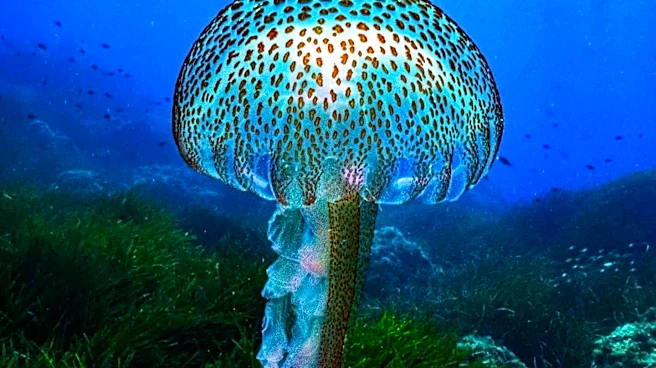
French nuclear plants are facing challenges due to climate change, as jellyfish swarms disrupt operations. Rising sea temperatures have increased jellyfish populations along the French coast, affecting the ability of nuclear plants to use seawater for
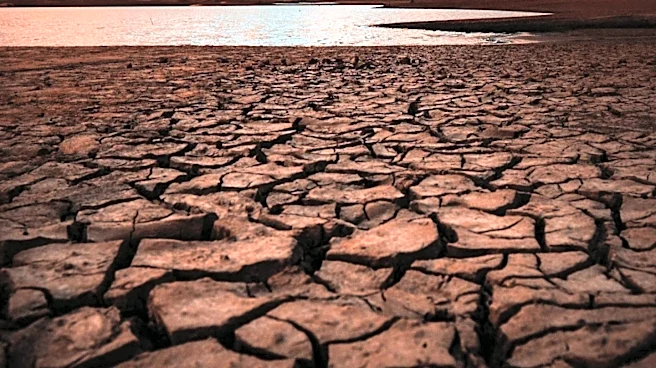
cooling. The Gravelines plant experienced a significant jellyfish invasion, forcing preventive measures such as fishing operations to manage the swarms. This incident is part of broader climate-related challenges affecting French nuclear energy, including heatwaves and droughts impacting water supply. Opponents of nuclear energy argue that these incidents demonstrate the plants' vulnerability to climate change.
Why It's Important?
The jellyfish swarms underscore the impact of climate change on energy infrastructure, particularly nuclear plants reliant on water sources for cooling. These challenges highlight the need for adaptation strategies to ensure energy security and resilience in the face of environmental changes. The situation raises questions about the sustainability of nuclear energy as a climate solution, given its vulnerability to changing environmental conditions. The incident may influence energy policy and discussions on alternative energy sources and climate adaptation measures.