









What's Happening?
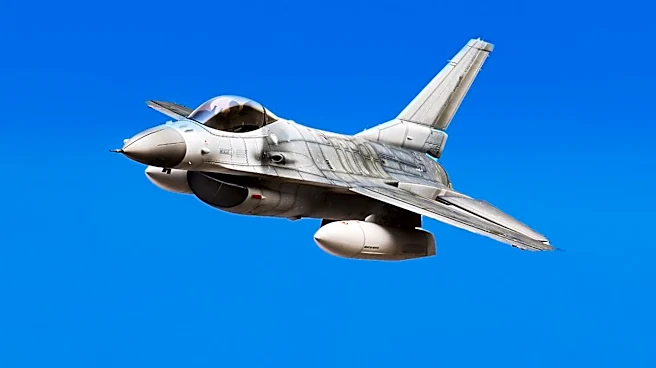
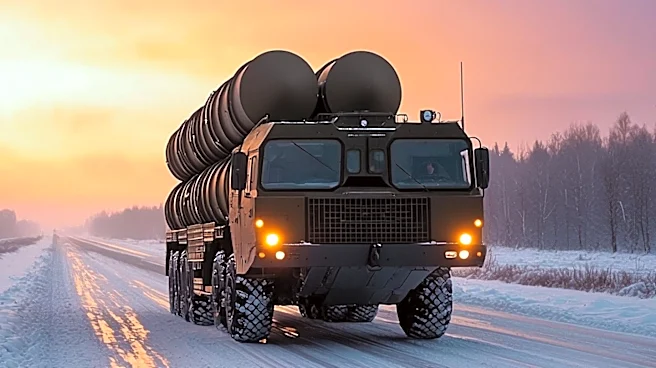
A recent incident involving a Russian Kh-101 cruise missile entering Polish airspace has exposed significant gaps in Poland's air defense and warning systems. Despite the technical feasibility of intercepting the missile with F-16 fighter jets or the Patriot
air-defense system, Poland's limited radar coverage and integration issues have raised concerns about the effectiveness of its defense architecture. The missile, which ultimately landed near residential areas, highlighted the need for improved radar stations and better integration of defense components to provide a comprehensive operational picture.
Why It's Important?
The incident underscores the vulnerabilities in Poland's air defense systems, which could have serious implications for national security and NATO's collective defense strategy. The gaps in radar coverage and system integration could leave Poland and its NATO allies exposed to potential threats, particularly from low-flying missiles. This situation calls for urgent improvements in Poland's defense infrastructure to ensure effective threat detection and response, thereby strengthening NATO's eastern flank against potential Russian aggression.
What's Next?
Poland may need to invest in expanding its radar network and enhancing the interoperability of its air defense systems. This could involve acquiring additional radar stations, particularly near its eastern border, and improving coordination with NATO's early-warning systems. Additionally, Poland may need to review and update its emergency communication protocols to ensure timely and accurate public alerts during such incidents. These measures would be crucial in bolstering Poland's defense capabilities and ensuring the safety of its citizens.