




What's Happening?
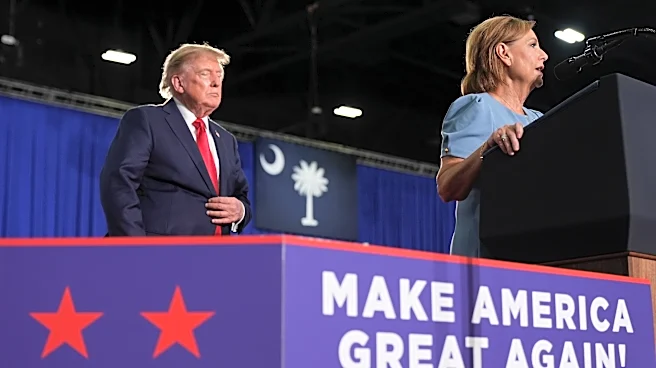
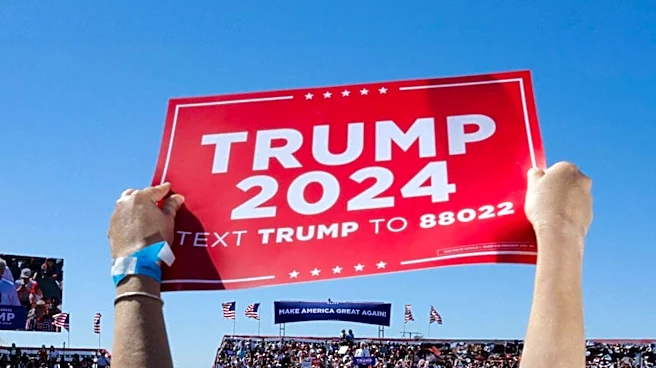
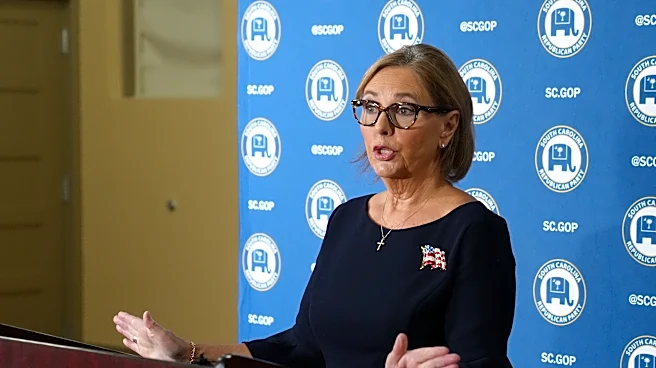
President Trump rallied in Myrtle Beach, South Carolina, for Sen. Darline Graham, urging his supporters to 'pretend' he is on the ballot for the upcoming midterm elections. This appeal comes as several Trump-endorsed candidates have failed to secure Republican
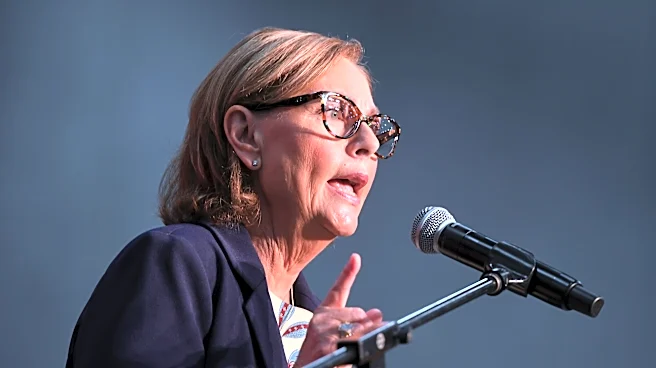
nominations in recent primaries. Trump emphasized that his supporters often show strong turnout when he is personally on the ballot, but this enthusiasm wanes in other elections, impacting Republican candidates for Senate and Congress. The rally was held ahead of Tuesday's Senate GOP runoff between Sen. Darline Graham and Rep. Ralph Norman. Trump has fully endorsed Graham, who was appointed to her brother's seat after his sudden death. Despite a recent debate gaffe where Graham stated national security was 'not my thing,' Trump defended her, highlighting her focus on 'kitchen table issues' like affordability and gas prices, contrasting it with her late brother's focus on international affairs. Trump's presence and endorsement are seen as crucial for Graham's campaign, especially given the mixed results of his endorsements in other races.
Why It's Important?
President Trump's strategy of asking voters to 'pretend' he is on the ballot signifies a direct attempt to leverage his personal popularity and influence to overcome potential voter apathy in midterm elections. This approach highlights a perceived challenge for the Republican party: maintaining high voter engagement among Trump's base when he is not directly campaigning for himself. The outcome of this strategy in South Carolina's runoff for Sen. Darline Graham will serve as a significant test case for the effectiveness of Trump's endorsement power and his ability to mobilize voters for other Republican candidates. A win for Graham would reinforce Trump's kingmaker status within the GOP, while a loss could further question the transferable nature of his political capital. This dynamic is particularly important for the Republican Party's broader goal of defending its congressional majorities in the upcoming November midterms, as it seeks to ensure its base turns out for down-ballot races. The focus on 'kitchen table issues' by Graham, as defended by Trump, also indicates a strategic pivot to address economic concerns directly impacting voters, potentially influencing campaign messaging for other Republican candidates.
What's Next?
The immediate focus is on Tuesday's Republican runoff election in South Carolina between Sen. Darline Graham and Rep. Ralph Norman. The results will indicate the immediate impact of President Trump's rally and his 'pretend I'm on the ballot' message. Should Graham win, it would validate Trump's endorsement power and his strategy for mobilizing voters in midterm elections. Conversely, a loss for Graham would suggest limitations to his influence, potentially leading to a re-evaluation of campaign tactics for other Trump-backed candidates. Beyond the runoff, the winner will face Democratic nominee Dr. Annie Andrews in the November general election, where they are expected to be strong favorites in the heavily Republican state. The broader implications for the Republican Party will be observed in how effectively this message translates to other states and races, particularly as the party aims to maintain its congressional majorities. Political leaders and campaign strategists will closely analyze the South Carolina outcome to gauge the future role of presidential endorsements and voter mobilization techniques in upcoming elections.
Beyond the Headlines
President Trump's call for voters to 'pretend' he is on the ballot delves into the psychological aspects of political campaigning and voter identity. It suggests that for a significant portion of the electorate, their political engagement is deeply intertwined with the persona of a specific leader rather than solely with party platforms or individual candidates. This phenomenon could indicate a long-term shift in political loyalty, moving from traditional party affiliation to a more personality-driven form of political participation. The challenge for the Republican Party, and potentially other parties, is how to sustain this energy and turnout in the absence of the charismatic figure. It also raises questions about the future of political endorsements and whether they can effectively transfer a leader's popularity to other candidates. Furthermore, the emphasis on 'kitchen table issues' by Sen. Darline Graham, despite her debate gaffe on national security, highlights a strategic prioritization of domestic economic concerns over foreign policy in appealing to the base, potentially signaling a broader trend in campaign messaging across the political spectrum.