




What's Happening?
The Maryland Department of Transportation (MDOT) is conducting a statewide tour, visiting all 23 Maryland counties and Baltimore City, to engage with local officials and the public regarding the Moore-Miller Administration’s Draft Consolidated Transportation Program
(CTP) for Fiscal Years 2027 to 2032. This six-year, $21.9 billion spending plan outlines significant investments aimed at enhancing safety, maintaining the state’s transportation infrastructure, and fostering economic growth across Maryland. During a recent meeting in Anne Arundel County, MDOT Secretary Katie Thomson emphasized the importance of local input in the budgetary process. The Draft CTP builds upon the administration's 'Serious About Safety' initiative, focusing on projects designed to reduce road fatalities and serious injuries for all road users. The plan also addresses critical maintenance needs and supports projects intended to stimulate economic development throughout the state. The tour provides a platform for transportation officials from various agencies, including the State Highway Administration, Maryland Transit Administration, and Maryland Aviation Administration, to offer updates on local projects and gather feedback.
Why It's Important?
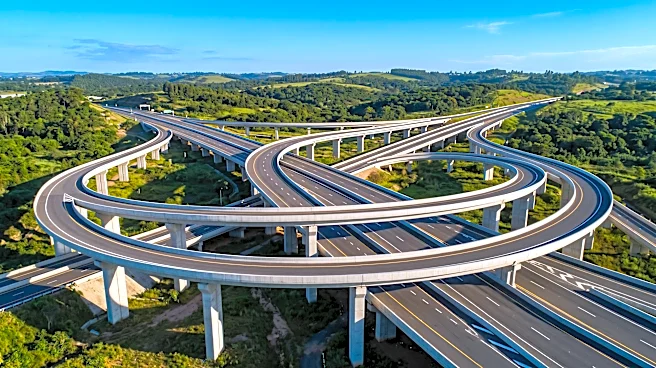
This statewide tour and the Draft CTP are crucial for Maryland's future infrastructure and economic landscape. The $21.9 billion investment signifies a substantial commitment to improving the state's transportation system, which directly impacts daily commutes, commercial logistics, and overall economic vitality. By prioritizing safety, the plan aims to reduce accidents and their associated costs, both human and financial. The focus on critical maintenance ensures the longevity and efficiency of existing infrastructure, preventing more costly repairs or replacements in the future. Furthermore, projects designed to drive economic growth can create jobs, attract businesses, and improve connectivity, thereby enhancing Maryland's competitiveness. The engagement with local officials and the public through this tour is vital for ensuring that the transportation plan aligns with community needs and priorities, fostering transparency and accountability in the allocation of significant public funds. This collaborative approach can lead to more effective and widely supported infrastructure development.
What's Next?
The Maryland Department of Transportation's statewide tour is scheduled to continue through October, gathering further input from various counties and Baltimore City. Following the completion of this public engagement phase, MDOT will finalize the Fiscal Years 2027-2032 CTP. This final plan will then be submitted to the Maryland Legislature in January for consideration during the 2027 General Assembly session. The legislative review process will involve discussions, potential amendments, and ultimately, approval of the budget. Stakeholders, including local governments, transportation advocacy groups, and the public, will likely continue to monitor the plan's progress and advocate for their interests during the legislative session. The approved CTP will then guide transportation investments and projects across Maryland for the next six fiscal years, with ongoing updates and project developments expected as implementation begins.
Beyond the Headlines
The Maryland Department of Transportation's comprehensive approach to its capital budget, involving extensive public and local official engagement, highlights a broader trend in governance towards more inclusive decision-making processes for large-scale public works. This strategy not only aims to secure public buy-in but also to ensure that infrastructure projects are genuinely responsive to the diverse needs of different communities within the state. The emphasis on safety and economic growth within the CTP reflects a recognition of transportation's dual role: as a fundamental public service and a critical economic enabler. The long-term nature of the six-year plan suggests a strategic vision that transcends immediate political cycles, aiming for sustainable development. This model of transparent planning and community involvement could serve as a benchmark for other states grappling with similar infrastructure challenges, fostering greater trust between government agencies and the populace they serve, and potentially leading to more resilient and equitable transportation systems.