






What's Happening?
New research indicates that spring runoff dramatically increases microplastic concentrations in Western rivers. A study conducted by researchers at the Desert Research Institute (DRI) focused on Nevada’s Truckee River, which flows from Lake Tahoe through
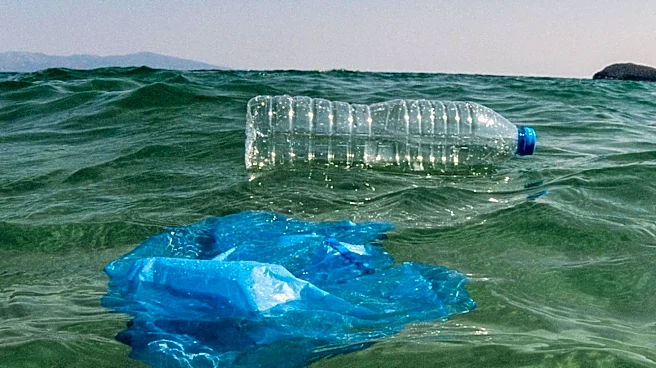
Reno to Pyramid Lake. They found that microplastic levels were nearly ten times higher during high spring flows in 2023 compared to low fall flows in 2022. Specifically, the average concentration rose from 0.4 microplastic particles per liter in the fall to 3.7 per liter in the spring. Monica Arienzo, who leads DRI’s Microplastics and Environmental Chemistry Lab, explained that while the maximum found in fall was one particle per quart-sized mason jar, it increased to ten particles per jar in the spring. Hannah Lukasik, who led the research, suggests that plastic particles accumulate on riverbanks and surrounding landscapes during drier periods, and the increased water flow during spring runoff mobilizes these particles, re-suspending them into the river system. The most common plastics identified were PET, polypropylene, and polyethylene, materials frequently used in consumer products, pointing to larger plastic items and single-use plastics as primary sources.
Why It's Important?
This study fills a critical gap in understanding microplastic movement in arid river systems, where water flows can fluctuate significantly throughout the year. The findings highlight that sampling microplastic concentrations only during low-flow periods may severely underestimate the true extent of plastic pollution in these environments. This has significant implications for water management and environmental policy in the Western U.S., a region already grappling with water scarcity and ecological challenges. Higher concentrations of microplastics can impact aquatic ecosystems, potentially affecting wildlife and, indirectly, human health through the food chain. The identification of common consumer plastics as sources underscores the need for improved waste management, recycling initiatives, and a reduction in single-use plastic consumption. Water managers and researchers must now consider seasonal variations when assessing microplastic pollution, leading to more accurate data and potentially more effective mitigation strategies to prevent plastic litter from entering waterways.
What's Next?
The Desert Research Institute's findings suggest a need for revised protocols in monitoring microplastic pollution, particularly in regions with variable river flows. Future research will likely focus on understanding the long-term ecological impacts of these seasonal surges in microplastic concentrations on aquatic life and water quality. Water managers may need to implement targeted interventions during high-flow periods to capture or prevent the mobilization of accumulated plastics. This could involve enhanced litter collection efforts along riverbanks before spring runoff or the development of new filtration technologies. Furthermore, the study's emphasis on common consumer plastics as sources will likely intensify calls for policy changes regarding plastic production, consumption, and disposal. Public awareness campaigns about the impact of single-use plastics and proper waste disposal could also become more prevalent, aiming to reduce the initial input of plastic into the environment.
Beyond the Headlines
The seasonal fluctuation of microplastics in Western rivers reveals a deeper systemic issue concerning environmental pollution and the hydrological cycle. It illustrates how human-generated waste interacts with natural processes, transforming seemingly benign litter into a pervasive contaminant that moves through ecosystems. This dynamic highlights the interconnectedness of land-based pollution and aquatic environments, emphasizing that waste management on land directly impacts water quality. The study also implicitly raises questions about environmental justice, as communities downstream or those reliant on these water sources may disproportionately bear the burden of this pollution. The presence of microplastics, even at varying concentrations, points to a 'plastic legacy' that will persist in river sediments and ecosystems for extended periods, necessitating long-term strategies beyond immediate cleanup. It underscores the urgent need for a circular economy approach to plastics, where materials are reused and recycled, rather than discarded, to prevent their entry into natural systems.