




What's Happening?
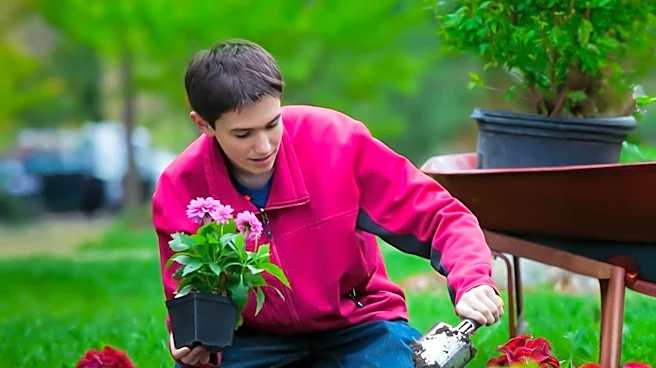
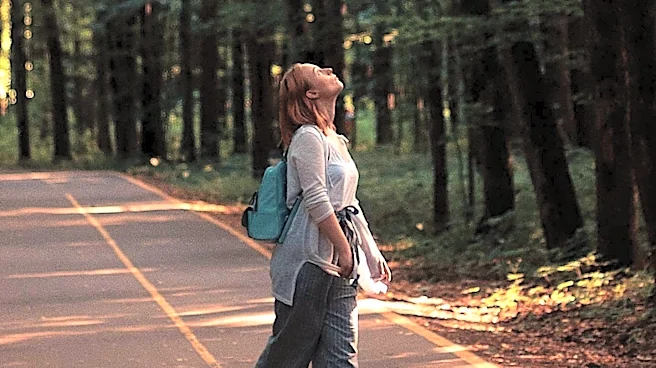
Research indicates that nature therapy, also known as nature-based therapy, may offer significant benefits for individuals undergoing cancer recovery. This practice involves spending time in natural environments through activities such as walking in parks,
gardening, forest bathing, or simply sitting outdoors. These activities are believed to provide a calming respite from the stress associated with illness and treatment. For cancer patients, natural surroundings can offer opportunities to relax, slow down, and focus on aspects beyond medical appointments and treatment concerns. Such experiences may help manage feelings of anxiety, emotional exhaustion, and isolation. Spending time in green spaces can also encourage gentle movement, relaxation, and social interaction, providing a change of environment and a break from daily pressures.
Why It's Important?
The exploration of nature therapy for cancer recovery is important because it offers a complementary approach to traditional medical treatments, addressing the often-overlooked psychological and emotional toll of cancer. While not a cure, these therapies can significantly improve the quality of life for patients and survivors by mitigating stress, anxiety, and fatigue—common challenges during and after treatment. This focus on holistic well-being can empower individuals to take an active role in their recovery journey, fostering a sense of control and peace. Integrating nature therapy into cancer care protocols could lead to more comprehensive patient support systems, potentially reducing reliance on pharmaceutical interventions for mood management and enhancing overall recovery outcomes.
What's Next?
Further research is likely to delve deeper into the specific mechanisms through which nature therapy aids cancer recovery and to identify optimal practices and environments. This could lead to the development of standardized nature-based interventions that can be integrated into oncology care plans. Healthcare providers may begin to formally recommend or prescribe nature therapy, potentially in collaboration with parks and recreation departments or specialized therapists. Increased awareness of these benefits could also drive demand for accessible green spaces in urban areas and within hospital grounds, ensuring that more patients have opportunities to engage with nature. The ongoing study of nature's impact on health could also influence public health policies, promoting broader access to natural environments for general well-being.
Beyond the Headlines
The growing interest in nature therapy for cancer recovery highlights a broader societal recognition of the intrinsic link between human health and the natural world. This perspective challenges the purely biomedical model of health, advocating for a more ecological understanding of well-being. Ethically, it underscores the importance of environmental conservation, as healthy ecosystems are directly tied to human health benefits. Culturally, it may foster a renewed appreciation for traditional healing practices that have long recognized the therapeutic power of nature. This shift could also lead to innovative collaborations between environmental scientists, healthcare professionals, and urban planners to create health-promoting environments, ultimately benefiting not just cancer patients but the entire population.