





What's Happening?
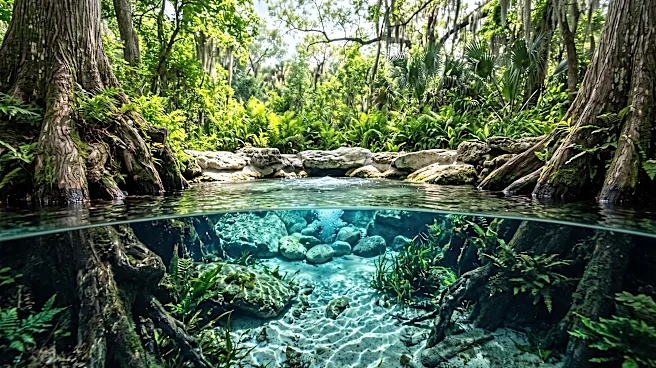
Florida Governor DeSantis has announced substantial funding allocations aimed at enhancing water resource management across the state. A key component of this initiative is the allocation of $100 million for springs restoration projects, demonstrating
a commitment to preserving Florida's natural aquatic ecosystems. Additionally, $100 million has been designated for alternative water supply projects, which are crucial for ensuring a sustainable water future for the state's growing population and agricultural needs. These investments are part of a broader strategy to protect and manage Florida's water resources, addressing both environmental conservation and the practical demands of water availability. The Governor's plan emphasizes a proactive approach to water quality and supply, recognizing the long-term importance of these resources for both ecological health and human consumption. The funding aims to support various projects that will improve water quality, increase water supply resilience, and restore critical natural habitats throughout Florida.
Why It's Important?
These initiatives are critically important for Florida, a state highly dependent on its water resources for its economy, environment, and quality of life. The $100 million for springs restoration directly addresses the degradation of these unique ecosystems, which are vital for biodiversity and serve as significant tourist attractions. Restoring springs can improve water quality, support aquatic life, and enhance recreational opportunities. The $100 million for alternative water supply projects is equally significant, as it aims to diversify Florida's water sources, reducing reliance on traditional, often over-stressed, aquifers. This diversification is essential for mitigating the impacts of drought, population growth, and climate change on water availability. By investing in these areas, Governor DeSantis's administration is working to safeguard Florida's natural heritage and ensure a reliable water supply for future generations, impacting residents, agricultural sectors, and the tourism industry positively.
What's Next?
Following Governor DeSantis's announcement, the next steps will involve the detailed planning and implementation of the funded projects. State agencies, local governments, and environmental organizations will likely collaborate to identify specific projects for springs restoration and alternative water supply development. This will include conducting feasibility studies, securing necessary permits, and initiating construction or restoration activities. There will also be ongoing monitoring and evaluation to ensure the effectiveness of these investments in achieving their environmental and water supply goals. Stakeholders, including environmental groups, agricultural businesses, and local communities, will likely engage in discussions and partnerships to ensure the successful execution of these initiatives. The long-term success of these programs will depend on sustained funding and continued collaboration among various entities to address Florida's complex water challenges.
Beyond the Headlines
Beyond the immediate environmental and economic benefits, these water resource initiatives highlight a broader shift towards sustainable resource management in Florida. The focus on both restoration and alternative supplies reflects a comprehensive understanding of water challenges, moving beyond simple conservation to active regeneration and innovation. This approach could serve as a model for other states facing similar water scarcity and quality issues, demonstrating how strategic investments can address complex environmental problems. Ethically, it underscores the responsibility of governance to protect natural resources for future generations, balancing economic development with ecological preservation. Legally, these initiatives may lead to new regulations or policies aimed at further protecting water sources and promoting efficient water use. Culturally, a renewed emphasis on Florida's unique springs and water bodies could foster greater public appreciation and stewardship of these invaluable natural assets.