
What's Happening?
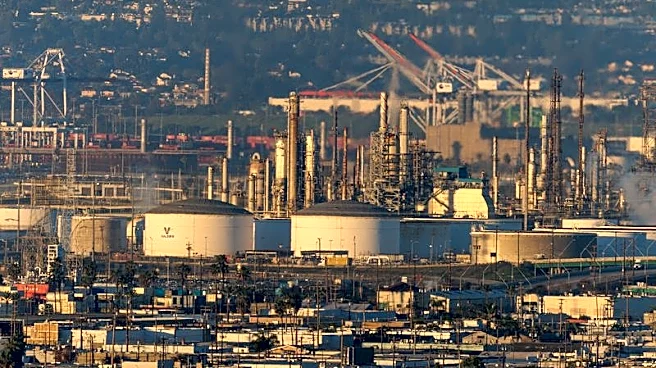
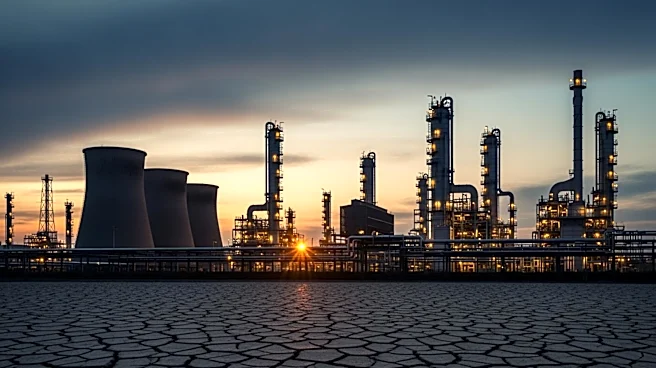
California's energy system is experiencing increased pressure due to a combination of local refinery closures and rising global supply risks. Over recent years, the state has seen a reduction in refining
capacity as facilities have shut down, converted to renewable fuels, or scaled back operations. This has led to a growing reliance on imported fuels to meet demand. The situation is exacerbated by geopolitical tensions in the Strait of Hormuz, a critical oil chokepoint through which a significant portion of the world's oil supply passes. Any disruption in this region can have widespread effects on global pricing and supply chains, impacting California's ability to secure necessary fuel imports. The state's stringent environmental regulations further complicate the situation, as they limit the number of refineries capable of producing compliant products, thereby increasing reliance on imports.
Why It's Important?
The developments in California's energy sector have significant implications for the state's economy and energy security. As local refining capacity diminishes, the region becomes more vulnerable to global supply disruptions and price volatility. This increased dependency on imports could lead to more frequent price spikes and supply shortages, affecting consumers and businesses alike. The state's regulatory environment, while aimed at reducing emissions and transitioning to cleaner energy, may inadvertently contribute to these challenges if not balanced with the need for stable fuel supplies. The situation underscores the importance of aligning policy goals with current supply realities to ensure energy stability during the transition to renewable sources.
What's Next?
To address these challenges, California may need to adopt a more coordinated approach that balances environmental goals with energy supply needs. This could involve maintaining critical refining capacity during the transition to renewable energy, expanding infrastructure flexibility, and diversifying supply sources. Without such measures, the state risks increased exposure to global market fluctuations and potential energy shortages. Policymakers will need to consider these factors to ensure a resilient energy system that can withstand external shocks while progressing towards sustainability goals.